
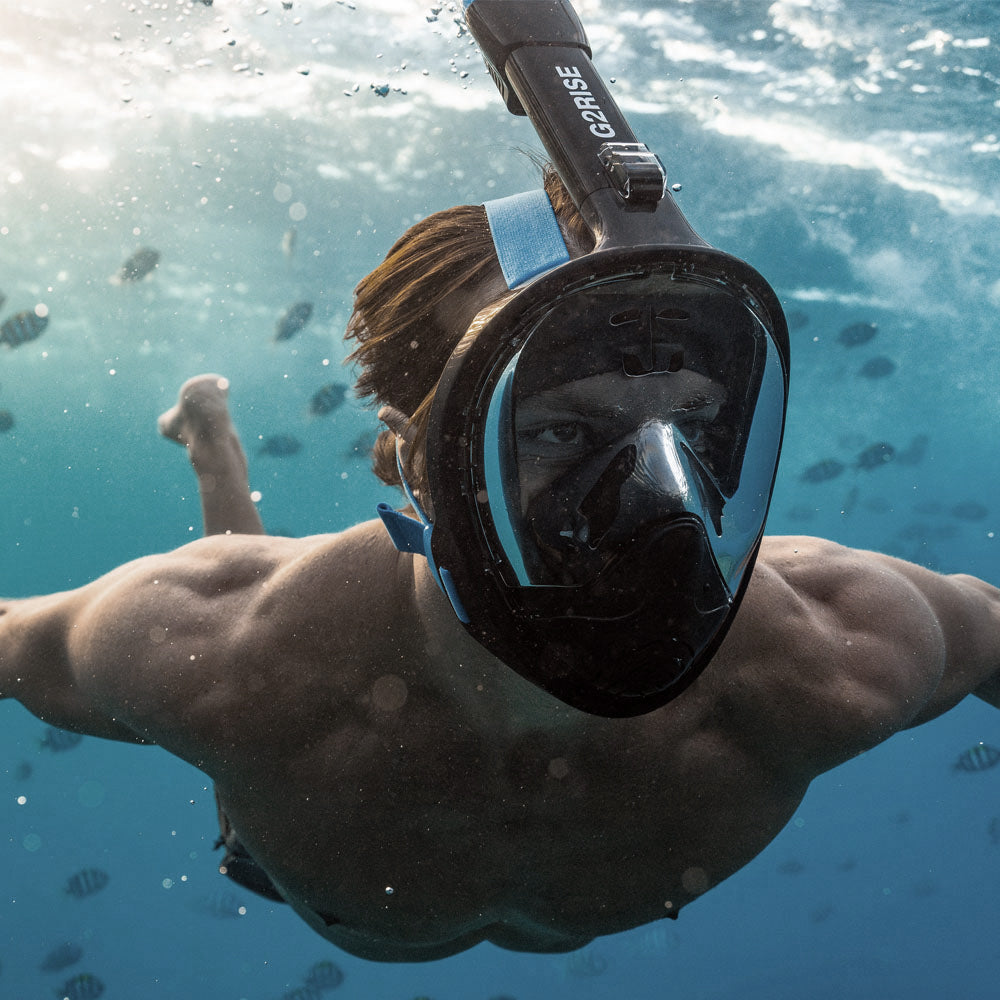
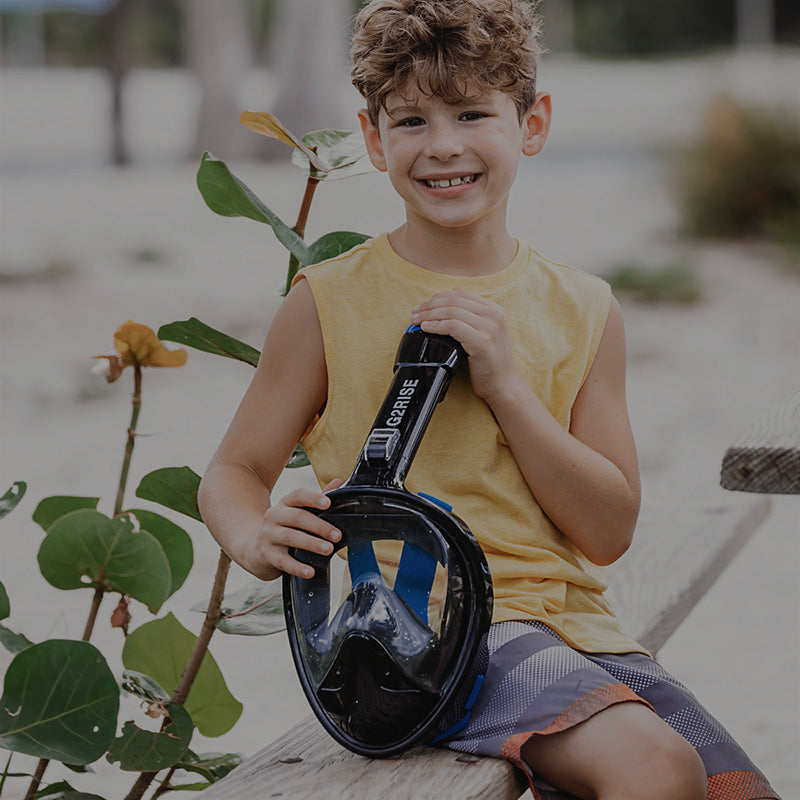
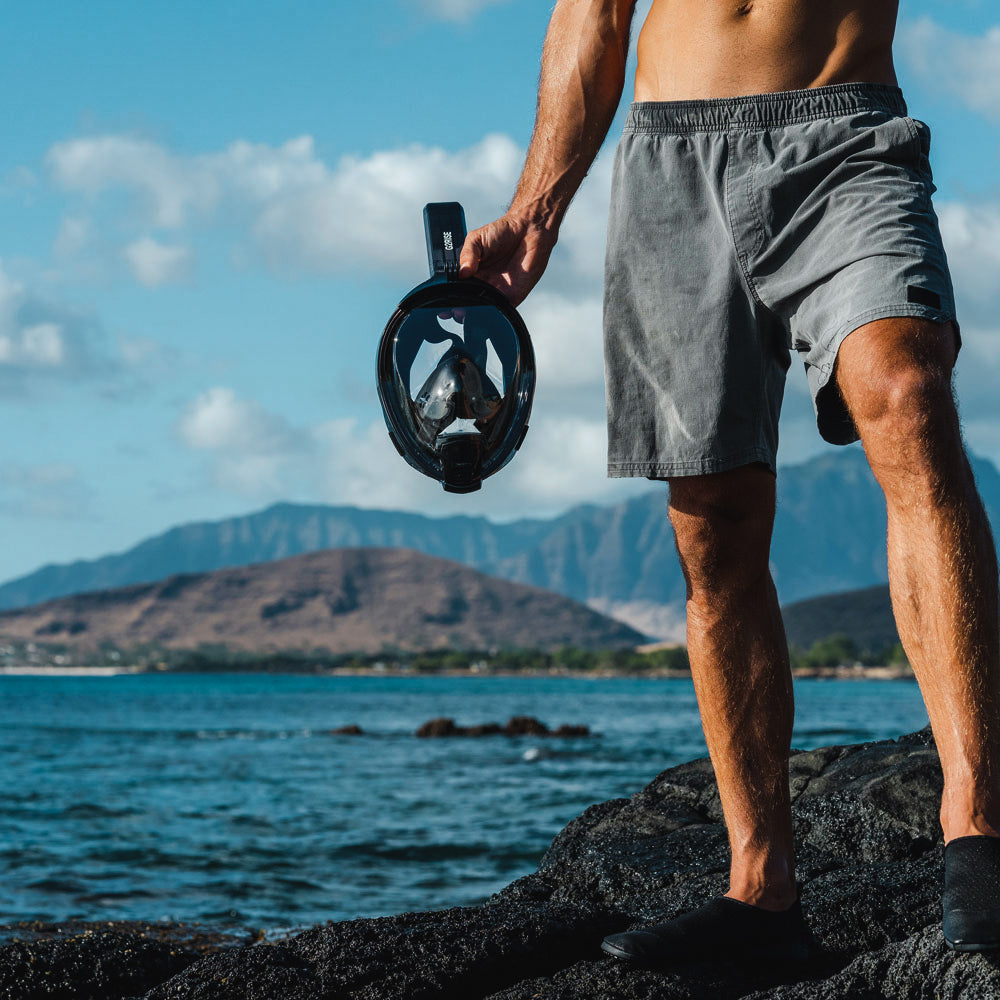
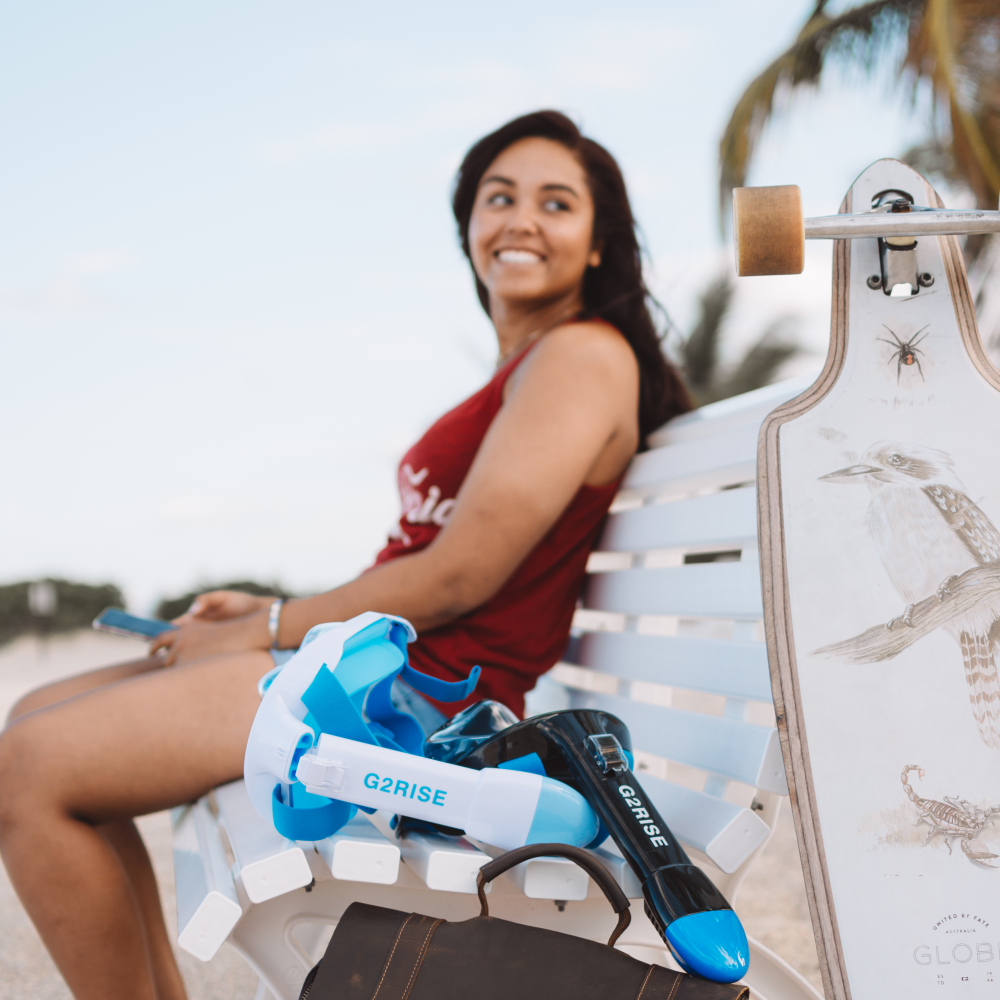
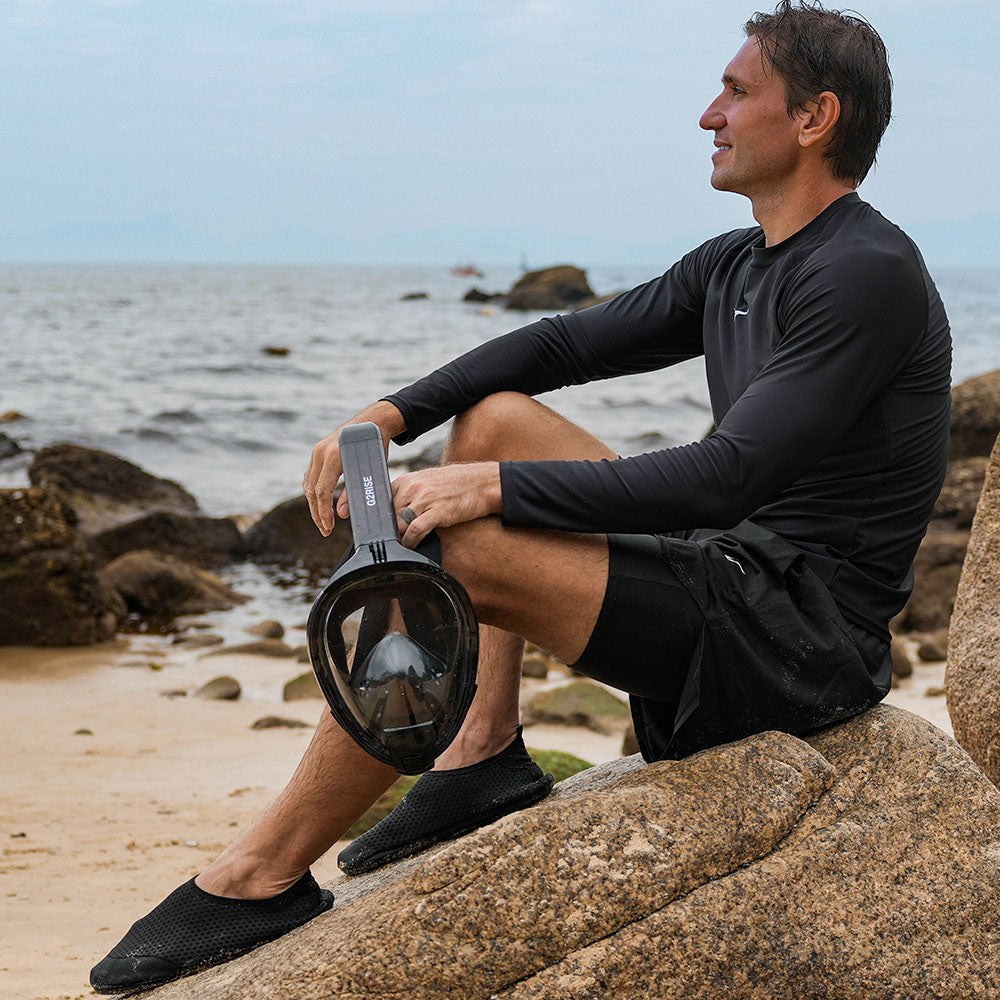
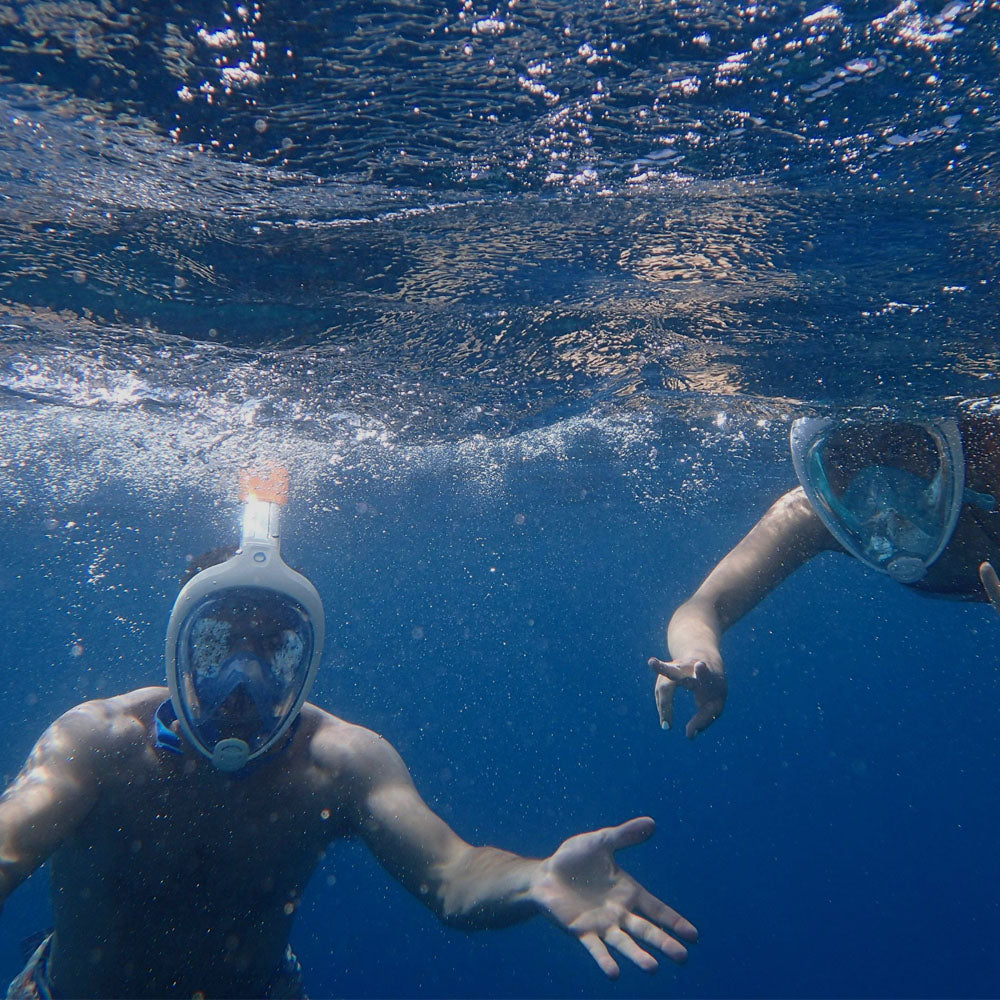
For decades, the traditional J-shaped snorkel was the standard for underwater exploration, despite common complaints of jaw fatigue and the learning curve of mouth-only breathing. The emergence of the full-face snorkel mask (FFSM) appeared to have revolutionized the sport. By integrating the mask and snorkel into a single unit, these devices promise a natural breathing experience through both the nose and mouth, paired with a stunning 180-degree panoramic view.
However, as a water safety consultant, I've found that the seemingly simple design of these masks often masks the complex engineering principles behind them. Recent research from institutions like Duke University and the Divers Alert Network (DAN), along with urgent warnings from regulatory agencies, all indicate that these masks pose physiological risks that the average consumer, especially parents, may not be fully aware of. When we regulate our breathing through breathing devices, we are no longer using toys, but life support systems.

The Physics of "Dead Space": Why Your Breath Might Be Trapping You
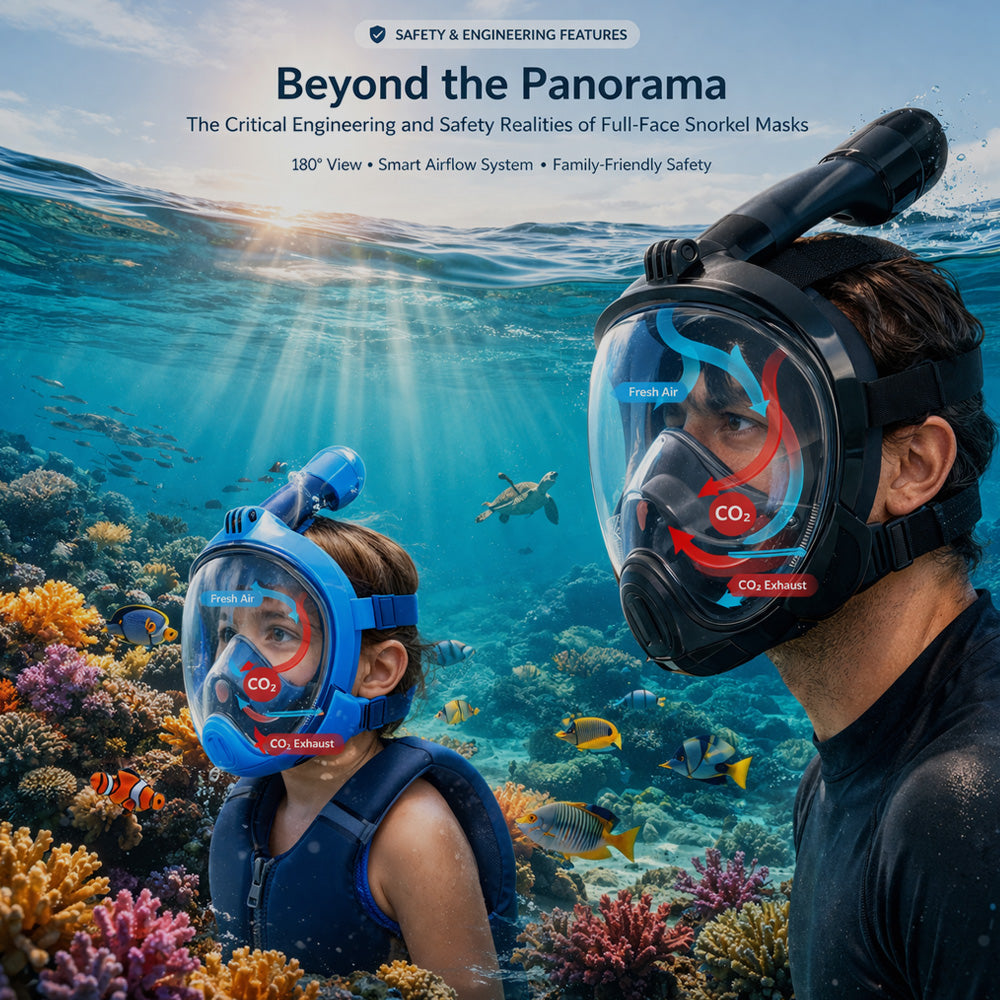
The primary engineering challenge of any FFSM is managing mechanical dead space. This is the internal volume of the mask where exhaled air—rich in carbon dioxide—can be trapped. While reputable masks are designed with internal partitions and unidirectional valves to separate inhaled fresh air from exhaled gas, these systems are vulnerable. If a silicone seal fails or a valve becomes obstructed by sand, salt, or debris, the wearer begins rebreathing their own CO2.
This creates a dangerous paradox: the mask feels easier to use because it allows for natural breathing, but it can be physiologically more taxing. If the mask does not effectively vent CO2, the user may experience Hypercapnia (CO2 buildup), leading to dizziness, headaches, and in severe cases, loss of consciousness.
"A major safety concern with full-face snorkel masks is the risk of carbon dioxide (CO2) buildup. Poor ventilation or an improper fit can cause CO2 to collect inside the mask. This can lead to discomfort, dizziness, or even fainting." — Hawaii Ocean Rafting.
Why Children Face Higher Risks
Children face unique risks due to their "tidal volume"—the amount of air inhaled during a single breath. For example:
A 6-year-old child (weighing approximately 20 kg): Tidal volume ≈ 140–200 mL
A standard full-face mask: Internal volume ≈ 150–250 mL
This means that children may re-inhale the carbon dioxide they have exhaled, as the internal volume of the mask exceeds their tidal volume. Unlike adults, children may not exhibit obvious signs of struggle; instead, they may become motionless or lethargic—a phenomenon sometimes referred to as "silent drowning."
At G2RISE, our full-face masks are tested to strict CO2 safety standards, helping minimize this risk for users of appropriate age and size.

A Real-World Warning: Lessons from the OUSPT Recall
Safety is never merely theoretical. On March 5, 2026, the U.S. Consumer Product Safety Commission (CPSC) issued a safety alert regarding approximately 84,000 OUSPT full-face snorkel masks sold on Amazon, warning that these masks posed a risk of causing breathing difficulties and fluid accumulation in the lungs. Reports associated with this case included instances of users experiencing dizziness, fainting, and even fatal accidents.
This incident highlights the potential dangers posed by unknown or uncertified manufacturers and underscores the critical importance of purchasing masks from trustworthy and responsible brands—such as G2RISE.
ROPE: The Invisible Underwater Risk
"Rapid Onset Pulmonary Edema" (ROPE) is a condition in which fluid seeps into the lungs due to excessive breathing resistance. Anyone engaging in strenuous physical activity while using a poorly designed mask faces this risk; the resulting sensation of suffocation can ultimately lead to drowning.
Engineering Design is Paramount: A high-quality mask ensures that breathing resistance remains extremely low, even when the user is actively swimming.

How to Choose a Safe Full-Face Snorkel Mask
When selecting a full-face snorkel mask (FFSM), official safety certifications carry far more weight than flashy marketing claims. Focus on the following key criteria:
- Authoritative Certification Standards: EN1972:2015 (Snorkeling Equipment Safety Standard) and EN16805:2015 (Mask Safety Standard).
- Carbon Dioxide (CO2) Testing: The mask must ensure that internal CO2 levels remain below 1% (approximately 2,200 ppm).
- Low Breathing Resistance: This helps mitigate the risk of developing ROPE.
- Reliable Brands: The manufacturer must provide a clear physical business address and offer responsive, efficient customer support services.
Brands such as G2RISE, Ocean Reef, SEAC, and Wildhorn meet all of the aforementioned standards; their masks are meticulously engineered to provide users with a safe and effortless underwater breathing experience.
Limitations of Full-Face Masks
Even well-designed full-face snorkel masks (FFSMs) have practical considerations compared to traditional snorkels. They are best suited for shallow-water snorkeling and calm conditions. For beginners or those who are not confident swimmers, we recommend using them within safe, designated swimming areas.
Some specific points to keep in mind:
- Equalization: Cannot pinch the nose to equalize ear pressure, so deep diving is unsafe.
- Emergency Removal: Head straps may slow removal if the mask floods or in case of panic.
- Lens Durability: Plastic lenses can scratch more easily than tempered glass.
- Heat & Dryness: The large internal volume may trap heat, and constant airflow can cause mild eye dryness.
By using FFSMs within safe shallow-water zones, even beginners and children can enjoy a wide, panoramic snorkeling experience while staying protected.

G2RISE Recommendation: Safety First
Snorkeling is a fun and immersive experience; however, any equipment that facilitates breathing underwater is, by its very nature, a life-support system.
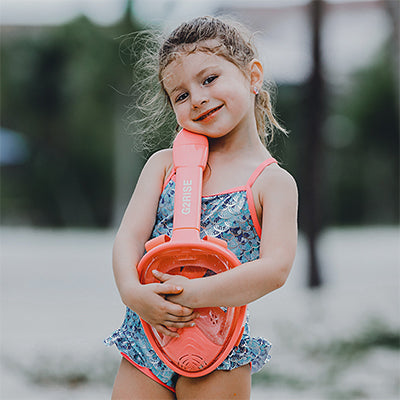
For children, G2RISE has specially designed a full-face snorkeling mask tailored to their specific needs—an excellent choice, particularly for beginners who are still learning to swim. To ensure safety and help children build confidence in the water, it is imperative that they remain under constant parental supervision whenever using this type of mask.
Furthermore, we recommend limiting each snorkeling session to between 10 and 20 minutes, with appropriate breaks in between to prevent fatigue. This ensures that everyone—whether adult or child—can enjoy a comfortable and pleasant snorkeling experience.
At G2RISE, we prioritize both fun and safety equally. By combining expansive panoramic vision with rigorous product testing, we are committed to providing comprehensive safety protection for every user—from young swimmers taking their first dip to experienced adults. Please be sure to adhere to all safety guidelines and enjoy the wonders of the ocean responsibly.

Leave a comment
This site is protected by hCaptcha and the hCaptcha Privacy Policy and Terms of Service apply.