



Your towel, room key, and phone may leave the accommodation together, but you won't necessarily want them in the same place all day. A towel can stay packed while you read a message. A phone might be something you would rather leave ashore. The useful starting point is what you intend to carry and when you need it.
The dry bag vs waterproof phone pouch question is therefore partly about organization. The products may be sold together, but their jobs and instructions need separate attention. This guide helps you plan those jobs without assuming that a shared package means equal protection or permission to take valuables into the water.

What does dry bag vs waterproof phone pouch mean for your day?
Dry bag vs waterproof phone pouch is a comparison of the exact items, their intended storage roles, and their instructions. Start with what you need to carry and access, then check each product separately. A category name, shared product page, or bundled purchase cannot establish that both components have identical protection or permitted uses.
Think through the day in ordinary order. You leave with a few belongings, travel to the venue, put some things away, and later need a key or a change of clothes. Your phone may be needed during transport but unnecessary during the activity itself. Keeping that sequence clear can reduce the temptation to buy around a dramatic product photograph.
Make a short working list: what stays ashore, what travels with you, what needs to be reached separately, and what you can leave behind. The list is an organizing tool, not a claim that any bag is suitable for a particular exposure.
A large storage item and a phone-sized accessory can solve different handling problems. Their product descriptions must explain what they are intended to do. Don't fill gaps with assumptions based on how similar their materials look.
You may discover that you only need one item, both, or neither for a particular outing. The activity and the belongings come first; the product arrangement follows.
Which belongings need a larger storage space?
Identify the belongings that need to travel together, their packed size, and when you will access them. Compare that need with the exact bag's usable space and instructions. Don't assume a capacity label describes every practical packing arrangement, or that a bag large enough to hold something is suitable for protecting it.
Start with the items you genuinely plan to bring. A spare layer and a towel create a different space requirement from a key and a card. A bulky item may fit through an opening awkwardly even when the main compartment seems spacious.
Check how the product must be closed and how much room that leaves. A bag filled to the edge isn't necessarily in its intended carrying configuration. Follow its own instructions instead of adapting another manufacturer's closure method from a video.
Keep items with different needs separate where appropriate. Something damp doesn't become a good companion for something you need to keep dry merely because both fit inside the same container. Follow the relevant care instructions for equipment before putting it away.
Avoid treating spare space as an invitation to bring valuables you don't need. Leaving an item somewhere appropriate ashore may be a better plan than adding another layer of packaging. The right answer depends on the venue and the storage arrangements available.
This is a useful question to ask a seller: “How much usable space remains when this particular item is closed as instructed?” It is more precise than asking whether the bag is generally travel-friendly.
When do you need access to your phone separately?
Separate phone access matters when you need the device without opening the larger storage item or handling its other contents. Consider when that access is appropriate, where you will be, and whether carrying the phone is necessary at all. A phone-sized pouch does not automatically make every function usable or every setting suitable.
Think about the simple moments: checking transport information before arrival, contacting someone once back ashore, or finding a reservation. Those needs don't necessarily require a phone during a water activity. Decide what can wait.
If you are considering a phone accessory, check the actual device and any case it already wears. A familiar phone model name may not describe the complete dimensions of your setup. Don't force a device into an accessory or improvise a closure to make it fit.
Also consider how you will carry and retrieve it in the permitted setting. A strap or attachment point should be used only as the relevant instructions allow. This article doesn't recommend a way of attaching anything around a person during a water activity.
Photography is a separate decision. A transparent window is not evidence that every camera or touchscreen function will work in the conditions you imagine. For that topic, use the existing phone photography guidance alongside the exact device and accessory instructions.
Choosing to leave the phone out of the activity is a complete option. You don't need to justify a phone pouch purchase by taking the device somewhere you otherwise wouldn't.

Which product instructions apply to each item?
The instructions for each exact component apply to that component, including its closure, carrying arrangement, limitations, and intended use. Keep them separate even when the products arrive together. An instruction from another manufacturer can illustrate why details matter, but it cannot establish the correct method or performance limit for your item.
For example, Sea to Summit's roll-top guidance describes an initial fold followed by at least two further rolls before securing its buckle. That is a manufacturer-specific example, not a universal rule for every closure. The same guidance notes limitations concerning electronics and submersion.
Look for the equivalent information for the actual item you own. If the product page is ambiguous, ask for the correct manual or a written clarification. Don't apply a phone pouch's stated limit to a larger bag just because they share a listing.
This article doesn't assign a depth, time limit, or rating to a product. Those claims need appropriate original evidence and an exact product match. Likewise, neither item should be treated as a flotation device.
Seal checks and rating definitions already have their own guides. Follow the manufacturer's required checks, and use the existing articles for background rather than using this comparison as a replacement procedure.
If instructions conflict or a component appears damaged, resolve the issue before use. Packing more carefully cannot establish a protection claim that has not been verified.
When might you use both without assuming equal protection?
You might choose both when the larger item and the phone accessory serve separate, clearly understood storage and access needs. Plan each role independently and confirm that the proposed use fits each product's instructions. Putting one inside another or buying a bundle does not, by itself, establish a higher protection level or guaranteed result.
A fictional planning example can make the distinction clearer. Someone carries a towel in a larger bag and keeps a phone accessory accessible during transport. The example explains organization only; it doesn't recommend exposing either product to water or establish that the arrangement suits a particular item.
Ask what happens when you need to retrieve something. Can you access the phone at an appropriate time without disturbing the rest of the bag? Will a separate accessory create unnecessary handling? Would leaving the phone ashore make the plan easier?
Don't describe an untested arrangement as a backup system. Separate closures can still depend on correct selection, condition, and use. A promise of redundancy requires more than the fact that there are several containers.
Keep the choices simple enough to follow consistently. A complicated packing routine that everyone interprets differently may leave uncertainty about which items go where. Labeling or separate compartments can help organization when appropriate, but neither changes the product's stated limits.
Review the arrangement when the activity changes. A setup intended for transport should not quietly become one intended for immersion simply because the bag is already with you.

How can a G2RISE setup match your actual carrying needs?
A G2RISE setup should begin with the actual option you are selecting, the belongings you plan to carry, and the instructions for each included component. Check what is supplied before deciding how it fits your day. The product page is a starting point for questions, not evidence that every listed option contains identical items.
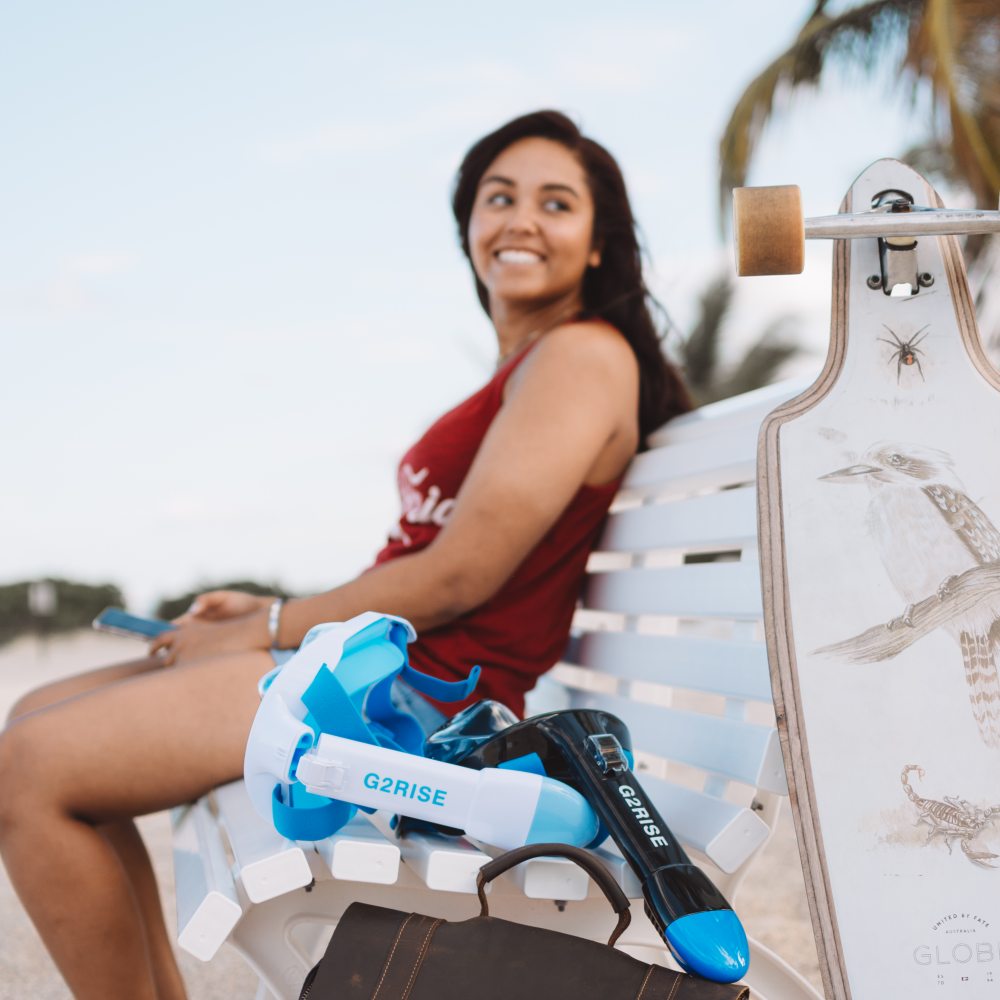
At the time this guide was prepared, the G2RISE dry bag and phone pouch page presented six labels under its Color selector. Some describe bag color combinations, while others include “Phone Pouch” in the label. That is a reason to inspect the selected option and confirm its contents, rather than assuming the page title describes every variant in the same way.
Ask support about the particular option, your device setup if relevant, and any unclear instruction. Keep the request specific: what is included, which information applies to each item, and whether the proposed use is within its instructions.
Choose around the day you actually plan. You may want convenient separation, less handling, or fewer belongings. Those are practical goals that don't require a dramatic protection promise.
A considered setup leaves you with a clear answer to a simple question: where does each item belong, and why? Once those roles are settled, you can spend less of the day managing a bag and more of it enjoying the outing.
Editorial background reviewed: a phone-pouch roundup, a manufacturer's case guide, and a pouch-use article. Their rankings and protection claims are not transferred to the products discussed here. Follow the exact item's current instructions.


Leave a comment
This site is protected by hCaptcha and the hCaptcha Privacy Policy and Terms of Service apply.