
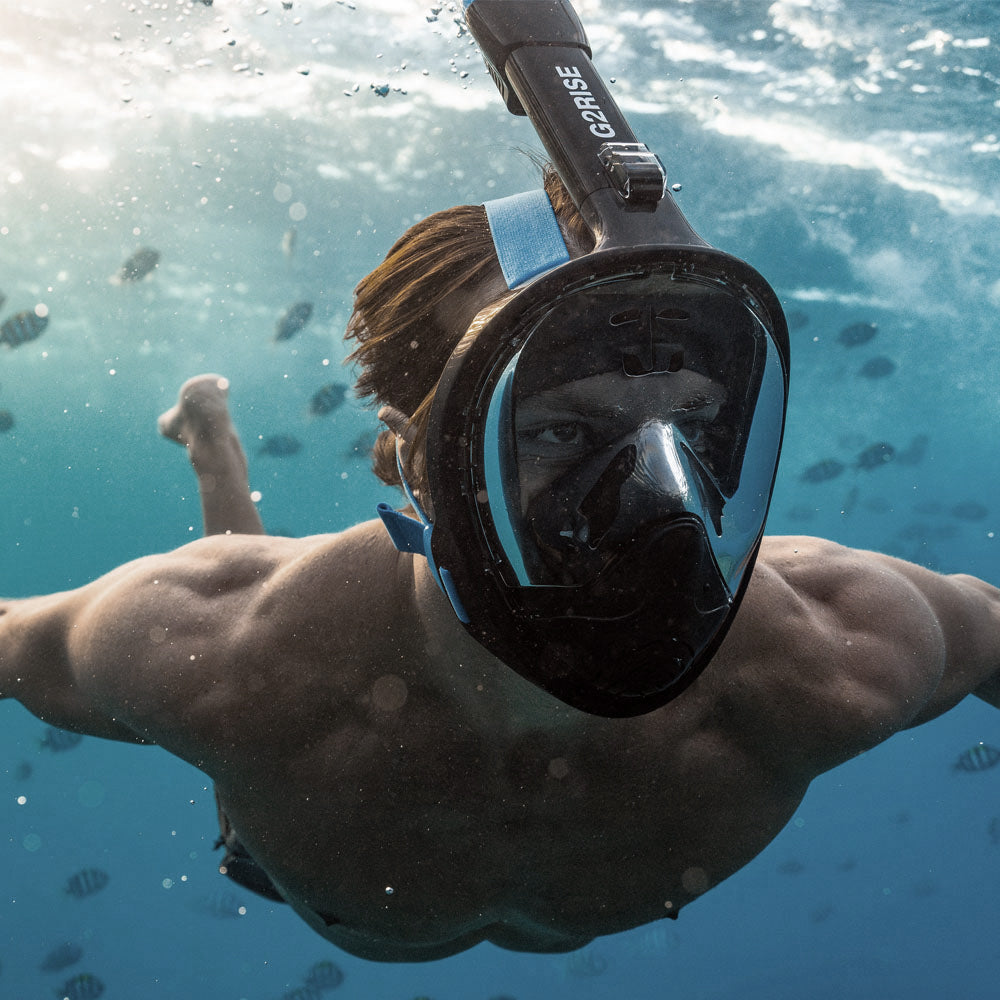

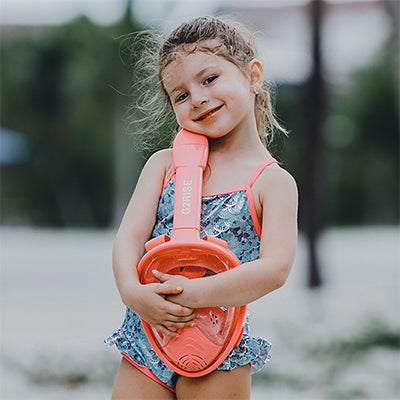
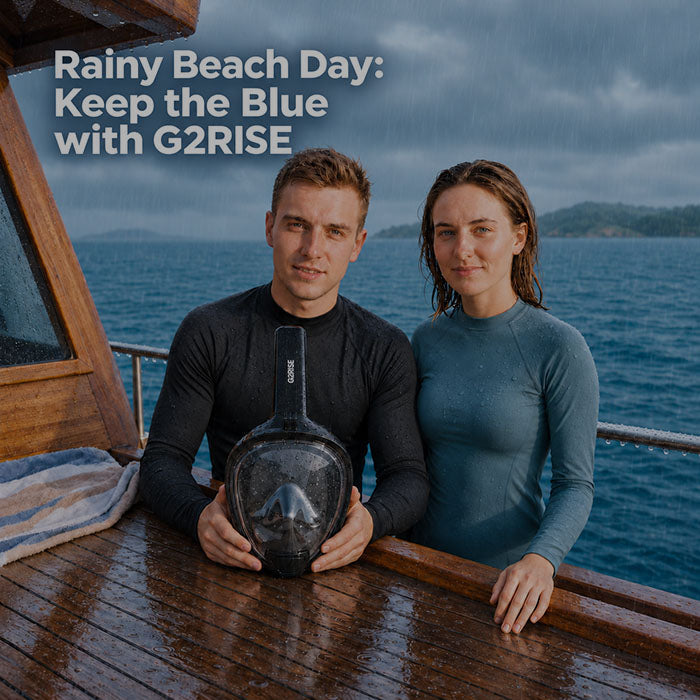
The masks are ready. Someone has been talking about the beach since breakfast. Then the weather changes, and the day you pictured no longer makes sense. That disappointment is real, even when changing plans is the obvious decision.
A rainy beach day needs a new shape, rather than a determined attempt to squeeze the original outing into unsuitable conditions. Start with a comfortable place to pause. Then choose what the family actually wants from the remaining time: something interesting, something playful, a proper meal, or simply less rushing. A coastal break can still feel like your own without a swim.

What can a rainy beach day become when the original plan changes?
A rainy beach day can become an indoor outing, a relaxed afternoon at your accommodation, or a different shared activity that suits the actual conditions. Name the change clearly, give everyone time to be disappointed, and choose a new plan on its own merits. The water activity can wait for another suitable occasion.
It helps to stop describing every alternative as a consolation prize. A visit to a local museum doesn't need to imitate snorkeling. A long lunch doesn't have to produce a wildlife sighting. Each can be a worthwhile part of the trip, particularly when nobody is being hurried toward the next thing.
Ask what the original plan represented. Was it time together, curiosity about the coast, or a chance for someone else to organize the day? Keep that part. Let the activity change. If everyone wanted to discover something unfamiliar, a local history collection might fit. If the family wanted a rest, staying in may be the better choice.
You don't need to turn the change into a lesson immediately. A child can be upset about missing the beach without being ungrateful. An adult can be disappointed too. Acknowledge it, then offer a realistic next step.
A useful sentence is simple: “We aren't doing the water plan today. Let's choose what we'd enjoy doing instead.” It settles the expectation without pretending the weather has improved or promising that the original activity will happen tomorrow.
Which decisions should you settle before choosing an activity?
Settle the immediate weather and shelter decisions first, following local authorities and the people responsible for your activity. Then consider travel, opening hours, accessibility, and the family's needs before selecting an alternative. A rain jacket, waterproof bag, or apparently sheltered beach spot does not establish that outdoor conditions are suitable.
NOAA's lightning guidance says to move to an appropriate substantial building or enclosed, metal-topped vehicle when thunder is heard, and to remain in suitable shelter for at least 30 minutes after the last thunder. It also warns that open picnic shelters and similar structures are not suitable lightning shelter. Follow current local instructions rather than using that waiting period as permission for a water activity.
Keep the practical conversation separate from the search for entertainment. If you need to change transport or contact an operator, do that before comparing attractions. Don't drive to another beach or switch to a pool just because the original water plan was canceled.
Once the immediate decisions are resolved, check what the group needs: food, a bathroom, dry clothing, somewhere to sit, or a quieter environment. Those details often determine which alternative will work. A lengthy indoor attraction can still be the wrong choice for tired children or a family member who needs a short day.
There is no requirement to fill the entire afternoon. Leaving room around a small plan may be more comfortable than replacing every canceled hour with a booked activity.
What indoor coastal activities can you research locally?
Research indoor activities through the venue's own current information, checking access, opening hours, booking needs, and any relevant restrictions. Local history exhibits, libraries, galleries, suitable visitor centers, and a relaxed meal are possible categories to explore. They are ideas for research, not a promise that a particular facility exists or is open nearby.
Choose a question before choosing a venue. “How did people live along this coast?” points toward local history. “What makes this landscape different?” might lead to a visitor center. “Where can we sit comfortably and talk?” may lead to a café rather than a ticketed attraction.
Aquariums or marine education centers may be options in some destinations. Check the actual facility and its visitor information. Don't assume that an animal encounter, feeding activity, or special exhibit is included. An educational visit can be interesting without promising anyone a particular species.
Keep the shortlist manageable. Check the journey as well as the destination, especially when weather affects transport. Ask about accessibility directly when it matters to your group; a photograph of an entrance doesn't answer every access question.
If nothing nearby fits, use the accommodation you already have. A book, a shared game, or choosing a meal together can be enough. You don't have to create an elaborate indoor ocean attraction out of household objects. Make the alternative comfortable before making it themed.
A local recommendation is a starting point. Verify it before setting off, rather than relying on an old blog's timetable or admission information.

How can children help choose a different kind of day?
Let children choose between realistic alternatives that adults have already checked, while keeping weather and supervision decisions with the responsible adults. Ask what sounds interesting or comfortable, and allow a quiet option. Participation should give children a voice in the revised day without making them responsible for whether the family is happy.
Offer a choice that can actually happen. “Would you rather visit the indoor exhibit or make lunch together?” is easier to answer than “What should we do now?” Neither option should secretly depend on the weather clearing.
For a simple indoor activity, put a large sheet of paper on the table and invite everyone to draw an imaginary coastline. Someone can add a tiny café; someone else can invent an island name. This is a creative suggestion, not an account of a real family or a promise of a developmental benefit. Use ordinary age-appropriate materials and suitable supervision.
Children can also choose a question for a local exhibit, a story to read, or a meal to help prepare where that is practical. They don't have to produce a drawing, a journal entry, or a cheerful photograph to prove they enjoyed the day.
Respect different preferences within the group. One child may want an active game; another may want to sit beside a parent. Adults can help arrange a comfortable balance without turning every activity into a family vote.
Keep the tone generous. “We can try another kind of day” leaves more room than “We must make the most of this.”
What needs rechecking before making a future water plan?
Before making another water plan, recheck local conditions, access information, operator instructions, and the actual requirements of everyone taking part. A clearing sky does not answer those questions. Treat the next outing as a fresh decision, rather than an unfinished task that the family must complete because equipment has already been packed.
Ask the operator or relevant local authority what information applies to the proposed time and location. Avoid relying on yesterday's forecast, a distant beach camera, or another visitor's description of calm water. The point is to obtain the information needed for that particular plan, not gather enough reassuring comments to justify it.
Check whether the people involved still want the same activity. Someone who was enthusiastic before a tiring day may prefer something shorter or entirely different. Leave that possibility open.
Review equipment in accordance with its own instructions when you next prepare to use it. This article isn't a substitute for a condition assessment or a pre-use inspection. The existing equipment check guide can help organize questions, alongside the instructions for your actual items.
Full-face snorkeling masks are for surface snorkeling, not deep diving, and are not flotation devices. Their presence in a bag doesn't change the conditions, your abilities, or the activity's requirements.
You can also decide that the next water outing belongs to a future trip. There is no need to recover every missed activity before leaving a destination.

How can G2RISE leave room for the next suitable blue moment?
G2RISE can support the preparation for a future outing without making today's plan depend on entering the water. Keep product choices connected to real needs, suitable conditions, and the instructions for each item. Shared curiosity can continue through a coastal visit, a conversation, or another day chosen at the right time.
When you are ready to plan again, start with the people and the activity. The G2RISE adult mask collection is a product starting point, while the manuals and support page provide places to resolve questions about an actual item. Buying equipment doesn't create an obligation to use it on a particular day.
For today, let the alternative be complete. Enjoy the meal without continuously checking whether the original outing can still be squeezed in. Read the exhibit labels without treating the visit as a delay. A coastal trip includes time ashore too.
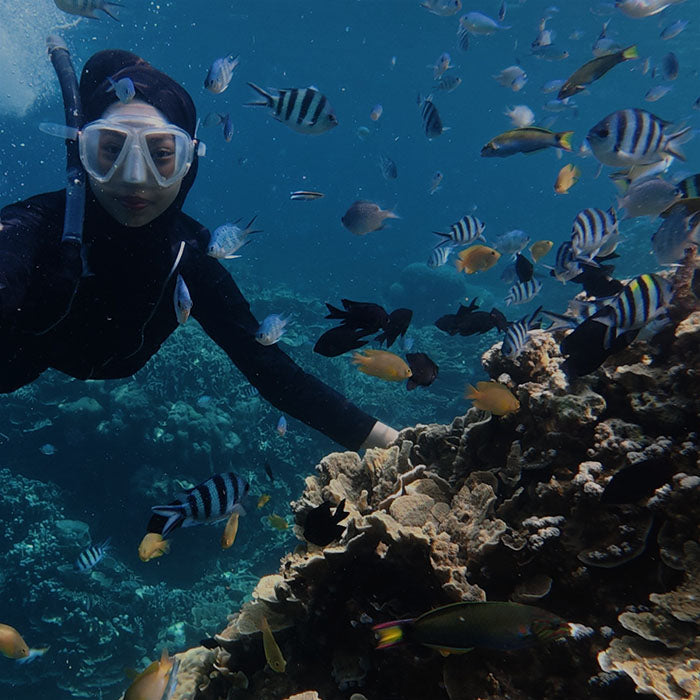
Some days leave you with a view of fish. Others leave you with a surprising local story, a new favorite food, or a drawing of an island that doesn't exist. Those outcomes don't need to compete.
Keep the invitation to explore. Leave the timing flexible. All of you, all the way into the blue.
Editorial sources: Grand Strand Vacations, The OT Toolbox, and SheBuysTravel were reviewed for indoor activity themes. Weather guidance is attributed separately to NOAA; destination availability requires a fresh local check.

Leave a comment
This site is protected by hCaptcha and the hCaptcha Privacy Policy and Terms of Service apply.