
When you search for snorkeling gear, the options multiply fast. Dozens of products, price ranges from $15 to $500+, and everyone claiming their version is essential. Here's the reality: you need three things to snorkel. Everything else is optional, situational, or genuinely worth having once you've decided you love it.
This guide walks through every major piece of snorkeling equipment — what it does, what to look for, and whether you actually need it as a beginner.

What Gear Do You Actually Need to Start Snorkeling?
Three items: a mask, a snorkel, and fins. That's the complete mandatory kit. Add everything else gradually as you get more into it.
You don't even need all three to get started. A mask and snorkel alone will get you in the water and seeing things. Fins help significantly with efficiency but plenty of people snorkel calm shallow water without them. Start with what you have. Add as you go.
How Do You Choose a Snorkel Mask?
The mask is the most important piece of gear you own for snorkeling. The only thing that truly matters is fit — specifically whether the mask seals against your face without leaking.
The test: place the mask against your face without using the strap. Breathe in gently through your nose. If the mask stays in place through suction, the skirt shape works for your face geometry. If it drops, move on. This simple test tells you everything.
What to look for in the mask itself:
- High-grade silicone skirt: Not rubber (cracks in storage), not PVC (stiffens over time). Silicone stays pliable for 20+ years, seals comfortably in all temperatures, and conforms to facial contours. Non-negotiable.
- Dual seals: Quality masks have an outer rim and an inner lip that both contact your skin. Check that the inner seal touches continuously around your face with the mask in place — no gaps above the brows, at the nose pocket, or at the temples.
- Don't overtighten: The strap holds the mask in position. The silicone skirt creates the seal. Over-tightening causes headaches, pressure marks, and often creates gaps. The mask should feel light on your face.
On lens type: single-lens masks give you an unobstructed panoramic view — better for casual snorkeling. Dual-lens masks (two lenses with a center bridge) sit closer to your eyes, have lower internal volume, and are the type fitted with prescription lenses if you need them. Both work well.
What Kind of Snorkel Should You Get?
Two main types: dry snorkels and traditional (wet) snorkels.
Dry snorkel: Has a float valve at the top that seals automatically when submerged, preventing water from entering. Also has a purge valve at the mouthpiece to drain any water that gets in. The easiest type to use and the right choice for beginners. You can dip below the surface briefly without flooding the tube.
Traditional/wet snorkel: Open tube, no valve. When the top goes underwater, water enters. You clear it by exhaling sharply to blast water out the top. More manual effort, but no mechanical parts to fail. Creates less breathing resistance, which is why freedivers and advanced snorkelers who duck-dive regularly prefer it.
Semi-dry snorkel: Has a splash guard at the top that reduces water entry from waves but no full sealing valve. A reasonable middle ground.
Start with a dry snorkel. Once you're comfortable and find yourself wanting to dive below the surface more often, switch to a traditional snorkel for the lower breathing resistance. It's a natural progression.
What Kind of Fins Should You Get?
Fins transform snorkeling efficiency. With fins, you cover significantly more distance with the same effort and can hold your position against mild currents that would otherwise push you around.
Two main types:
Full-foot fins: Slip directly onto bare feet like a shoe. Lighter, more compact, excellent for warm water. Most casual tropical snorkelers use these.
Open-heel fins: Have an adjustable strap around the heel, designed to be worn with wetsuit booties for warmth in colder water. More versatile for different conditions.
For warm-water tropical snorkeling — Hawaii, Southeast Asia, the Caribbean, the Red Sea — full-foot fins are the obvious choice. For cooler waters, open-heel fins with thin booties give you more warmth and comfort.
Fin kicking technique: Keep your legs as straight as possible. The propulsion comes from your hips and thighs — not your knees. Bending the knee with fins on is inefficient and tiring. Long, slow, smooth kicks are far more effective than fast short ones. Let the fins amplify the movement; don't fight them.

Do You Need a Wetsuit for Snorkeling?
It depends entirely on water temperature. In tropical conditions — 27°C (80°F) and above — you don't need one. In cooler water, a wetsuit is the difference between an enjoyable session and shivering through 20 minutes and calling it done.
General wetsuit thickness guide:
- 28°C (82°F) and above: No wetsuit. A UV rash guard for sun protection is enough.
- 24–27°C (75–80°F): 1–2mm shorty or full suit for sessions over an hour.
- 20–24°C (68–75°F): 3mm full suit.
- Below 20°C (68°F): 5mm or thicker, plus consider a hood and gloves.
Even in warm conditions, a thin rash guard or UV shirt is worth wearing. You can burn badly on your back and the back of your legs while floating face-down in bright sun without feeling it happening. Back-of-thighs and the back of the neck are the most common snorkeling sunburn locations. A UPF 50+ rash guard costs little and prevents a miserable second day on vacation.
What Other Gear Is Genuinely Worth Having?
Anti-fog spray or drops: Apply to the inside of the mask lens before each session, give a brief rinse, put it on. Far more effective than relying on spit alone (though spit works in a pinch — it's genuinely what experienced divers use as backup). Good defog products last many sessions.
Mask scrub for new masks: New masks come from the factory with a lubricant coating on the lens. It's invisible, but it prevents defog from bonding — meaning your brand-new mask will fog every session until you remove it. Before your first use, clean the inside of the lens with a dedicated mask scrub product. Not dish soap — that degrades the silicone-to-glass bond. One-time prep that fixes fogging permanently.
Snorkel vest / buoyancy aid: A compact inflatable vest worn around the waist. Provides buoyancy without restricting movement, makes you visible to boat traffic, and lets you snorkel without treading water. Excellent for non-swimmers, children, and anyone who wants to focus entirely on what they're seeing rather than staying at the surface.
Underwater camera: Once you're hooked, an action camera or phone in a waterproof case is a natural next step. Even budget waterproof housings produce surprisingly good footage in clear, well-lit shallow water.
Mesh gear bag: Keeps wet gear organized during transport and allows everything to drain and dry between sessions. Wet gear sealed in a dry bag develops an unpleasant smell quickly. A mesh bag for gear plus a separate dry bag for your phone and keys is the practical combination.
What Gear Can You Skip?
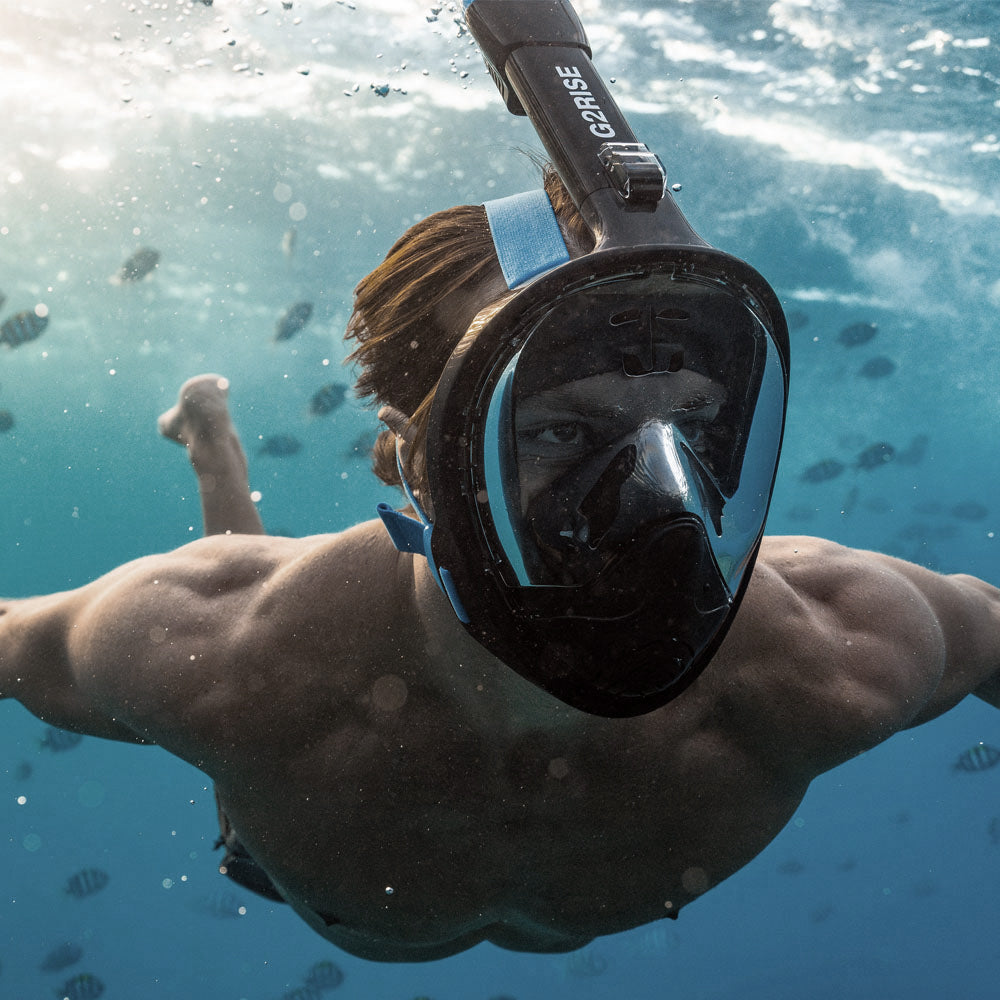
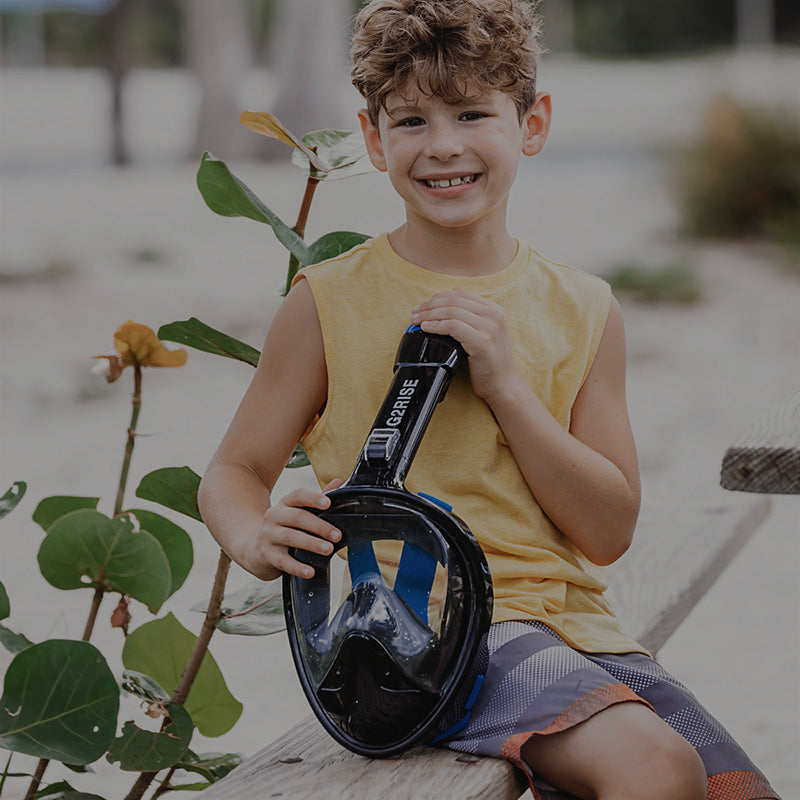
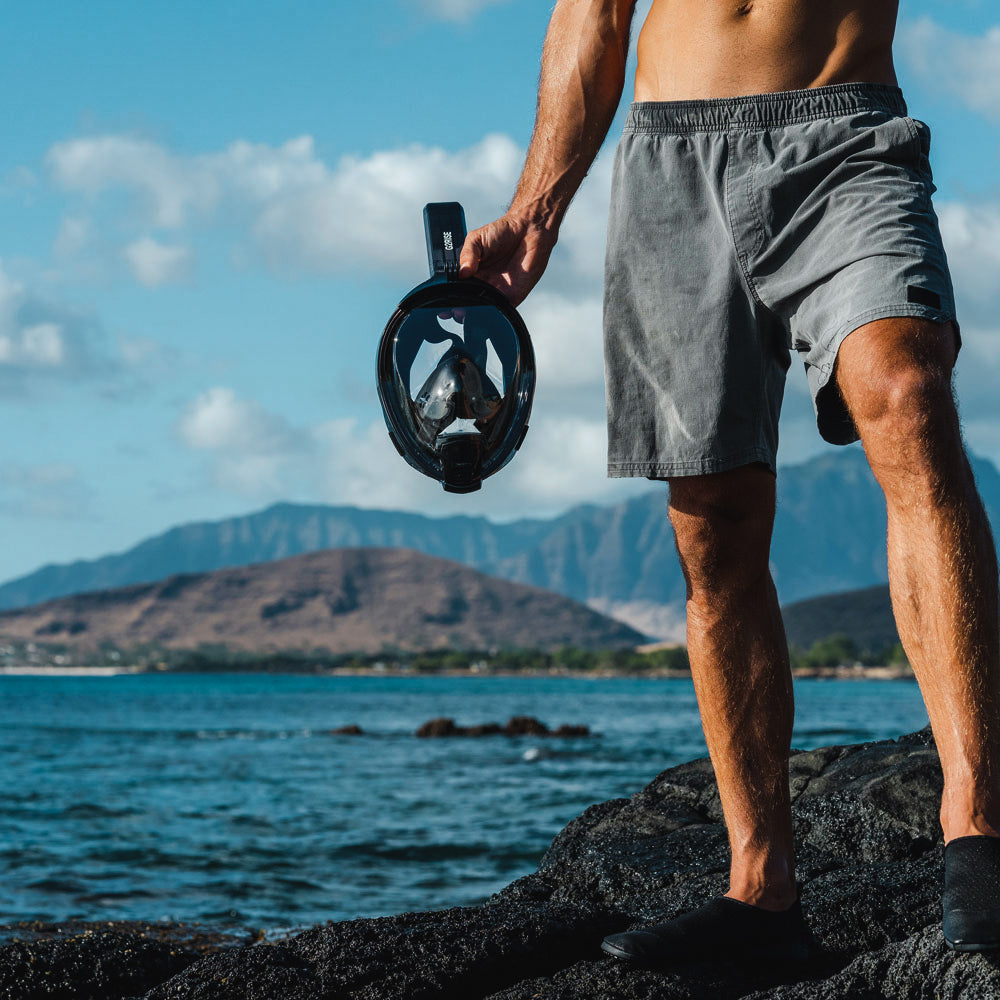
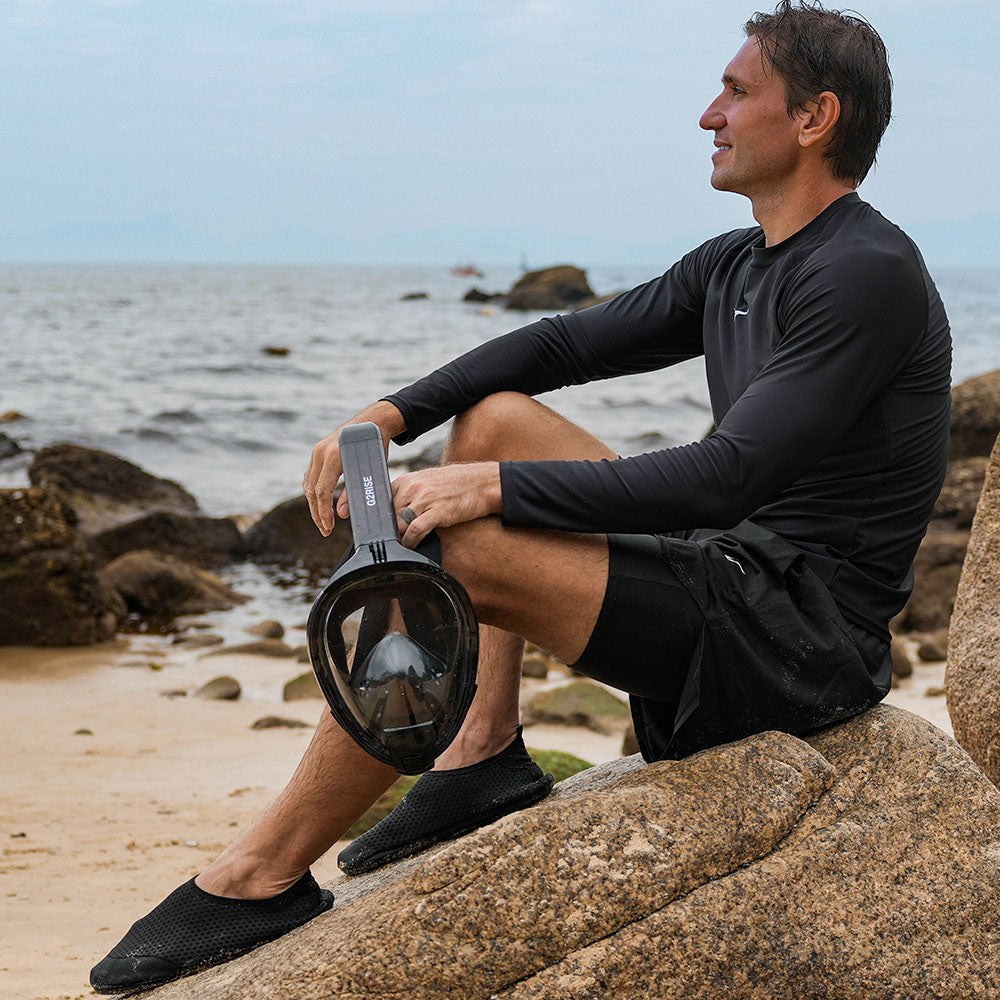
Full-face snorkel masks are popular partly because of marketing. For most recreational snorkelers, a traditional mask-and-snorkel setup is more versatile, easier to clear, and better for learning proper technique. Some full-face mask designs have had safety concerns raised around CO2 buildup in certain conditions — worth researching before buying.
Prescription mask lenses are only necessary if you genuinely can't see without correction. Many people with mild prescriptions find they're fine underwater without glasses — the refractive properties of water partially compensate for mild refractive errors. If you do need correction, a dual-lens mask can be fitted with your prescription by a dive shop.
Where Are the Best Places to Snorkel?
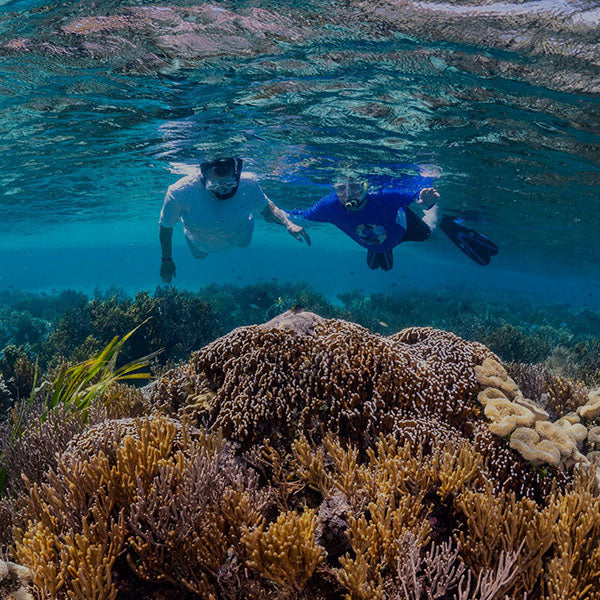
Look for structure beneath the surface — rocks, coral, reef formations, submerged boulders. This is where marine life concentrates. Wide sandy flats are quieter. Headlands (rocky points jutting into the sea), protected bays, and areas near shallow reefs consistently offer the most rewarding experiences.
Calm water is safer and more enjoyable, especially starting out. If you enter the water and feel yourself being pulled without kicking, exit calmly and find a calmer spot. Current-fighting burns energy fast.
Don't overlook freshwater snorkeling — rivers, lakes, and reservoirs can have exceptional visibility and interesting ecosystems. You'll encounter different species and sometimes find surprisingly interesting things on the bottom of popular swimming lakes.
Your Complete Beginner Snorkeling Gear List
- Mask (high-grade silicone skirt, dual seal, tested for fit)
- Dry snorkel
- Fins (full-foot for warm water, open-heel with booties for cold)
- Anti-fog spray or drops
- UV rash guard or UPF shirt (even in tropical water)
- Wetsuit (if water temperature below 27°C / 80°F)
- Snorkel vest (if not a confident swimmer, or for calm exploration)
- Mesh gear bag
Start with the first three. The rest follows naturally as you spend more time in the water.

Final Thought
The best snorkeling gear is gear you forget you're wearing. A mask that seals and disappears. A snorkel that just works. Fins that move you efficiently without demanding constant attention. That's the standard we aim for at G2RISE — gear built for real time in the water, not for packaging photography. Start with fit and material quality. Everything else follows.

Leave a comment
This site is protected by hCaptcha and the hCaptcha Privacy Policy and Terms of Service apply.