
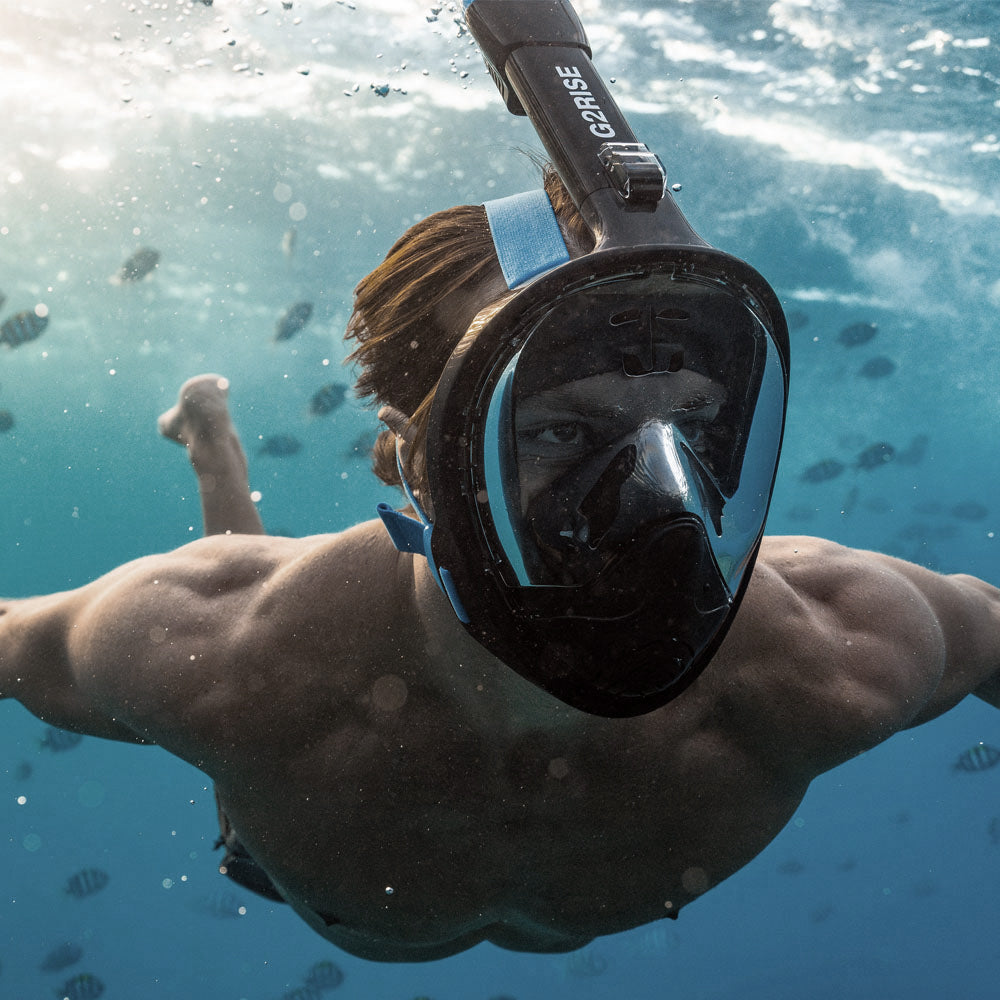
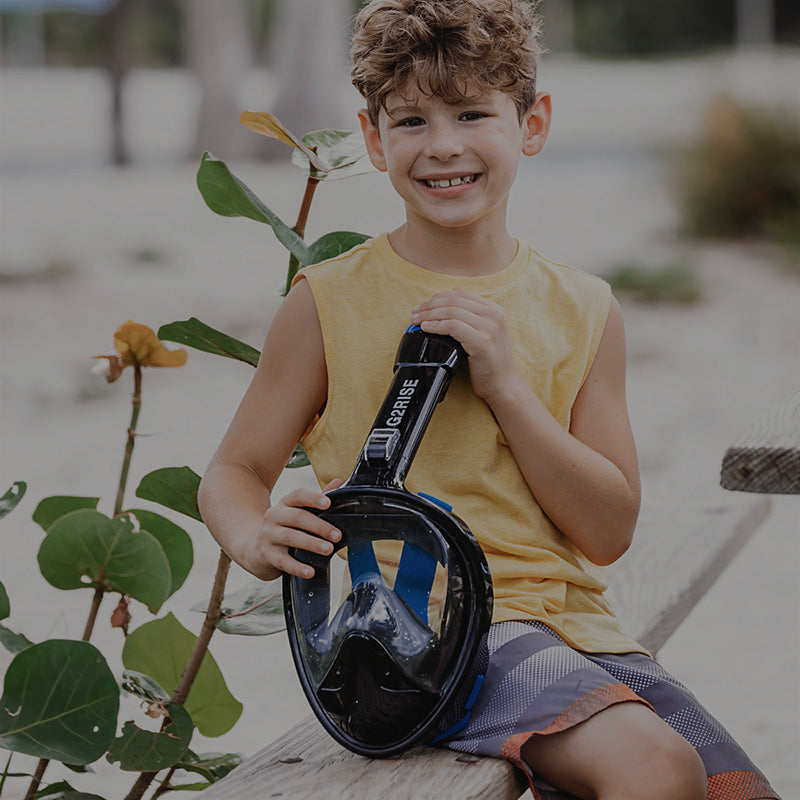
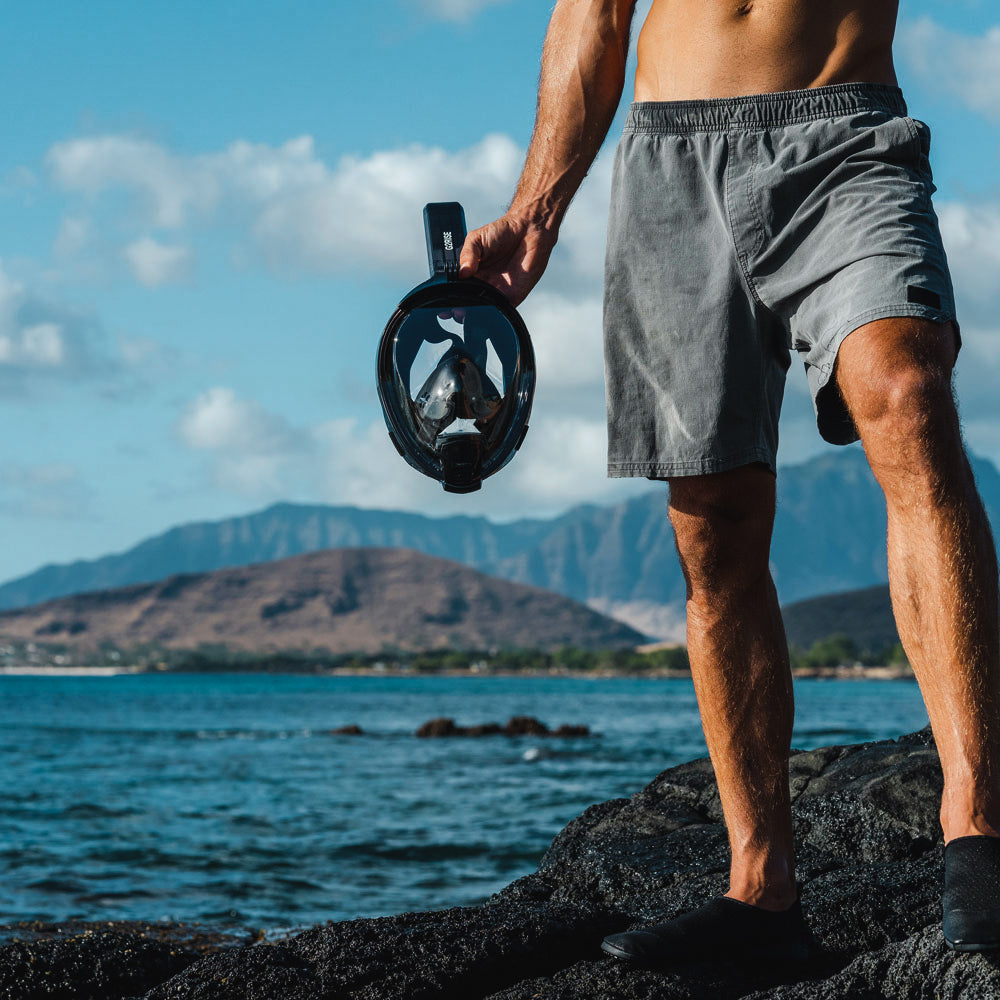
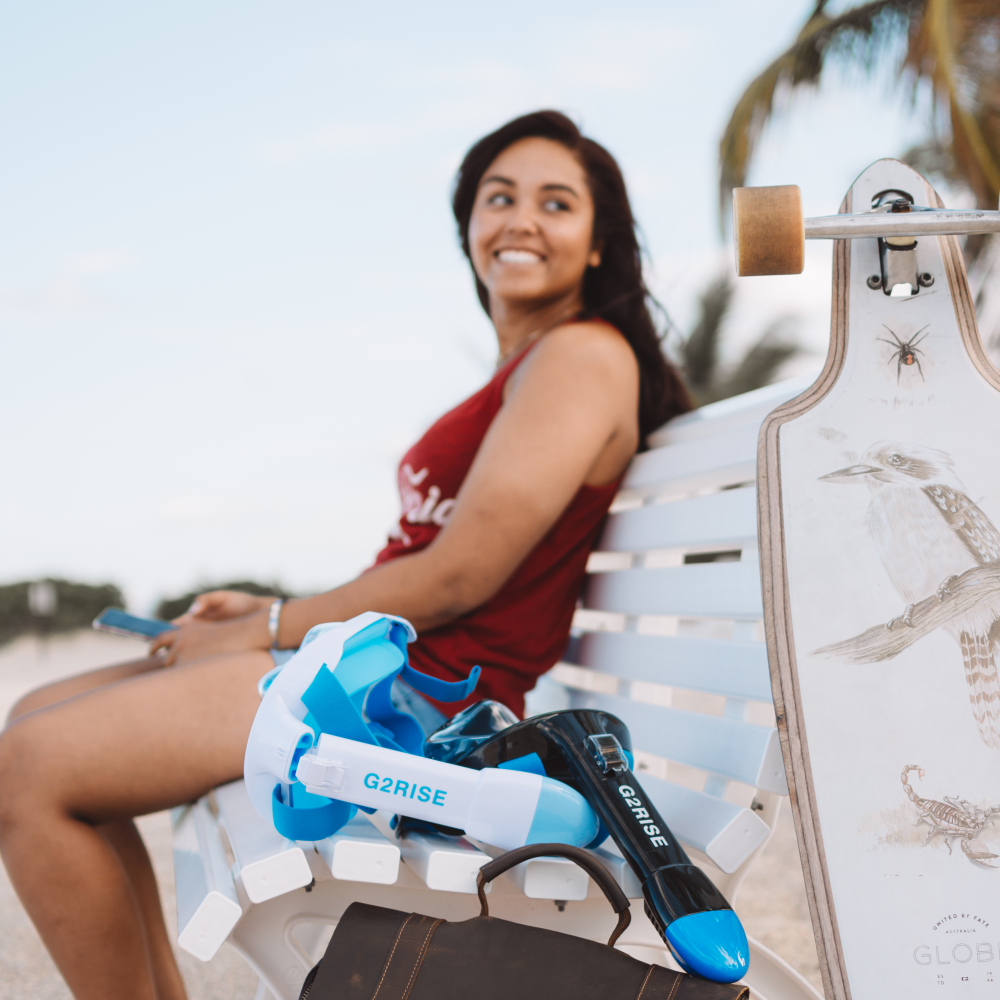
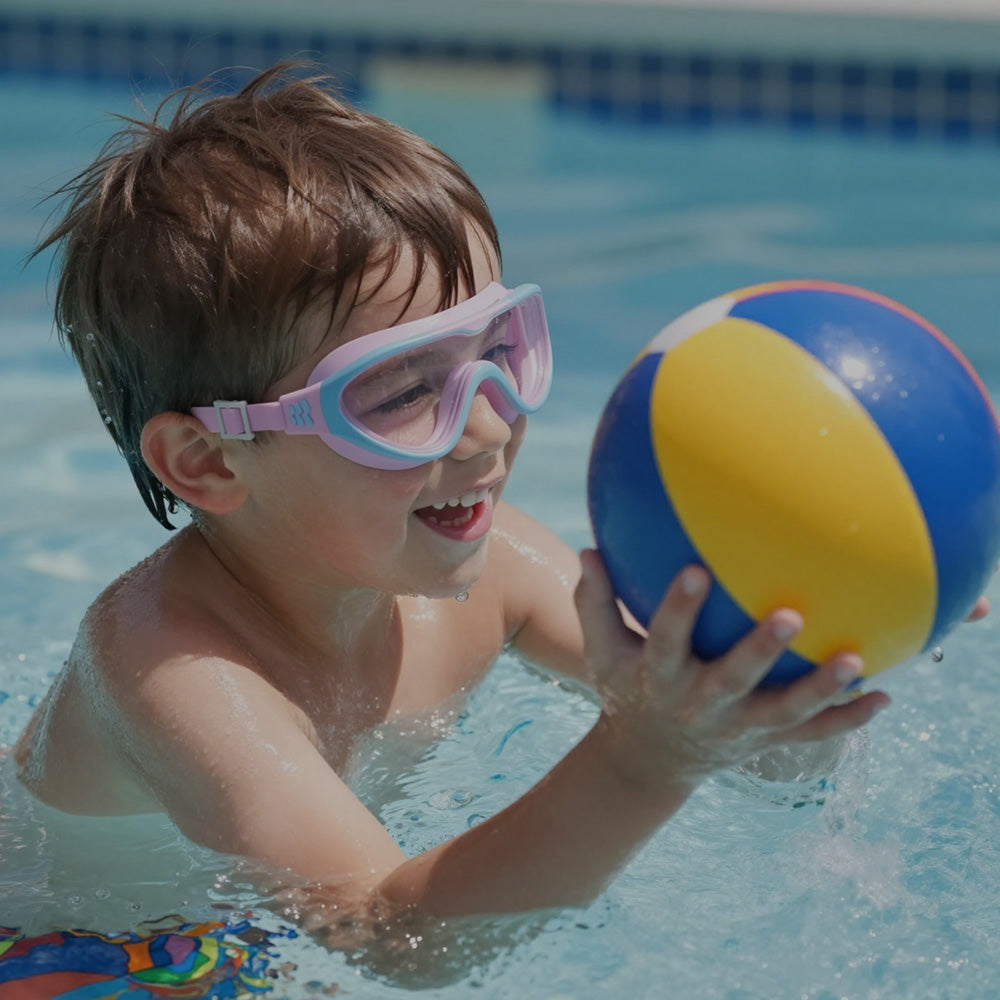
Swimming has become a regular part of childhood in the United States. Many children now attend swim lessons at school, join summer camps, or spend weekends in pools and at the beach. As this lifestyle grows, parents are starting to notice something important—most kids’ swim goggles don’t perform well in real use.
In 2026, parents are no longer just asking “Does it look good?” but instead asking:
“Will my child actually keep this on in the water?”
This shift has pushed brands like G2RISE Official Website to rethink how kids swim goggles should actually be designed.

The Real Problem Parents Keep Seeing in Pools
If you spend time near a children’s swim class, the same pattern repeats everywhere.
Kids adjust their goggles constantly. Some stop swimming just to fix the strap. Others complain about pressure around the eyes after only a short time in the water. And many goggles slowly leak as soon as movement becomes more active.
From a parent’s perspective, these issues seem small. But for a child learning to swim, they can completely change the experience.
Instead of focusing on technique or confidence, children become distracted by discomfort.
That’s why newer designs from G2RISE Official Website focus less on “features on paper” and more on how kids behave in real swimming environments.
Comfort Is the First Thing Kids Notice (Not Specs)
Adults often look at labels like “anti-fog” or “UV protection.” But children notice something much simpler: does it hurt or not?
If goggles feel too tight, kids stop enjoying the water. If the seal presses too hard, they start adjusting it repeatedly.
Modern designs solve this by using softer materials around the eye area that naturally adapt to facial movement. Instead of forcing a fixed shape, the goggles gently adjust to different face structures.
This makes a big difference during longer swim sessions, especially in structured lessons where children are expected to stay in the water for extended periods.
When comfort is stable, children focus more on swimming and less on the equipment.
Outdoor Swimming Has Become a Daily Reality
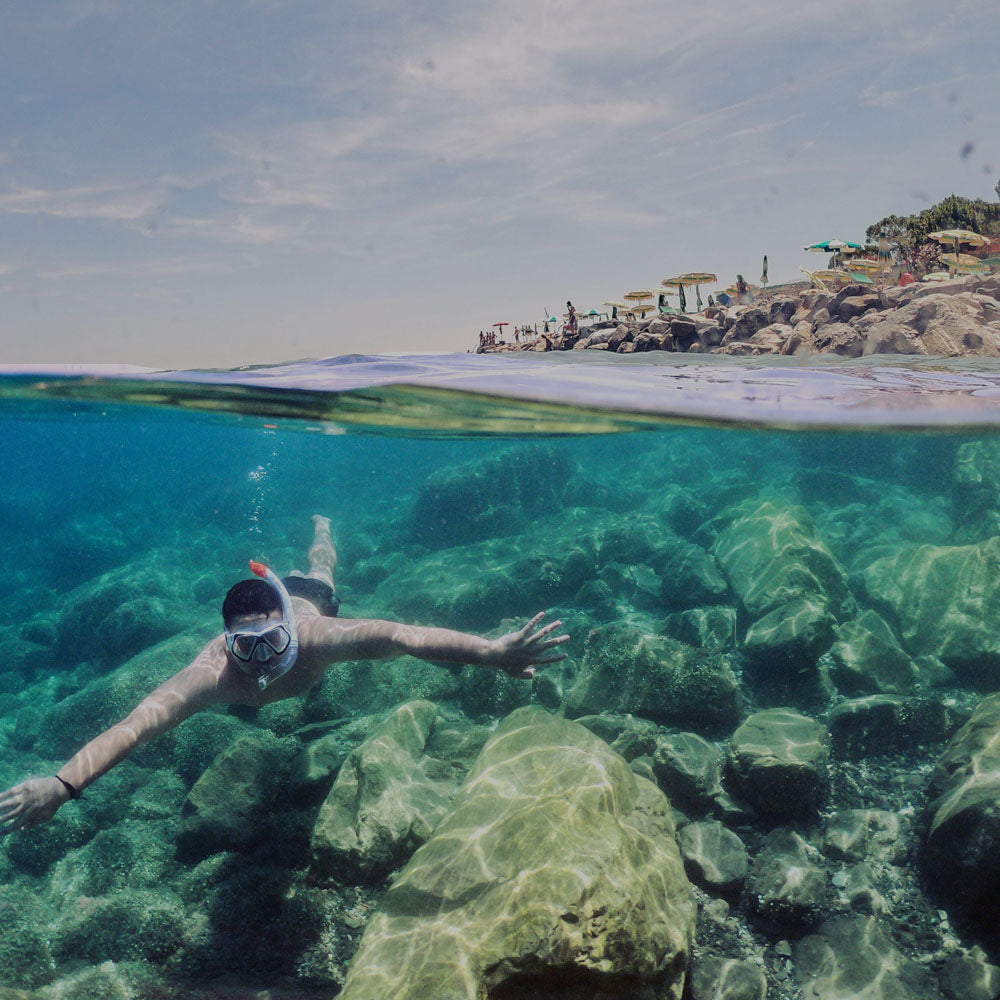
A few years ago, most kids only swam indoors. Now, outdoor swimming is common—beaches, backyard pools, and summer camps are part of everyday life in many regions.
This also means children are exposed to stronger sunlight for longer periods.
To adapt to this, modern swim goggles now often include UV protection lenses that help reduce brightness and glare from water surfaces.
This is especially useful in environments such as:
- Sunny outdoor pools
- Coastal beach vacations
- Lake swimming areas
- Summer outdoor sports programs
Instead of changing how swimming feels, UV protection simply makes the visual experience easier on children’s eyes.

When Visibility Improves, Confidence Changes
One of the most noticeable differences in children’s swimming behavior comes from visibility underwater.
When goggles fog up or distort vision, children become hesitant. They slow down, pause frequently, or avoid going underwater altogether.
But when vision is clear, something changes naturally—they start exploring more confidently.
Good lens design helps maintain clearer underwater visibility so children can easily see:
- The pool walls
- Their instructor
- Floating objects or toys
- Other swimmers nearby
This clarity plays a direct role in building comfort and confidence in water environments.
Fit Issues Are More Common Than Parents Realize
Children grow quickly between ages 6 and 14, which makes consistent fit a real challenge.
A pair of goggles that fits perfectly one month may feel loose or uncomfortable the next.
Instead of relying on a rigid structure, newer designs use flexible components that adjust more naturally to different face shapes. This reduces pressure points and helps keep the goggles stable without constant readjustment.
For children, this means fewer distractions during swimming. For parents, it means fewer interruptions asking for help fixing equipment.
Teaching Kids Independence Through Simpler Design
One important shift in 2026 is the expectation that children should be able to manage their own gear.
Swim goggles are now being designed so kids can adjust them without adult help. Simple strap systems allow quick tightening or loosening without complicated steps.
This is especially helpful in group environments such as:
- Swim schools with multiple students
- Summer camps with scheduled activities
- School PE swimming classes
- Family trips with multiple children
When children can handle their own equipment, they become more confident and self-reliant in the water.

What Happens After Swimming Also Matters
The swimming experience doesn’t end when children leave the pool.
Many parents know the frustration of finding wet goggles stuffed into a bag, leading to odor or wear over time.
To improve this, breathable storage solutions are now commonly used. These allow air to circulate, helping gear dry faster and stay fresher between uses.
This reduces long-term issues such as:
- Moisture buildup
- Unpleasant smell
- Material degradation
Small improvements like this make daily swim routines easier for families.
Why Parents Are Choosing Better Swim Gear in 2026
The expectations for children’s swim equipment have changed significantly.
Parents are no longer focused on basic functionality. Instead, they want gear that supports:
- Comfort during long wear
- Stable performance in real swimming conditions
- Easy use for children
- Safety in both indoor and outdoor environments
- Long-term durability
Brands like G2RISE Official Website are responding to this shift by focusing on how children actually experience swimming, not just how products are described.
Because in real life, a good pair of goggles is not about specifications—it’s about whether a child can forget they are even wearing them.

Leave a comment
This site is protected by hCaptcha and the hCaptcha Privacy Policy and Terms of Service apply.