


1. Introduction: The Call of the Blue
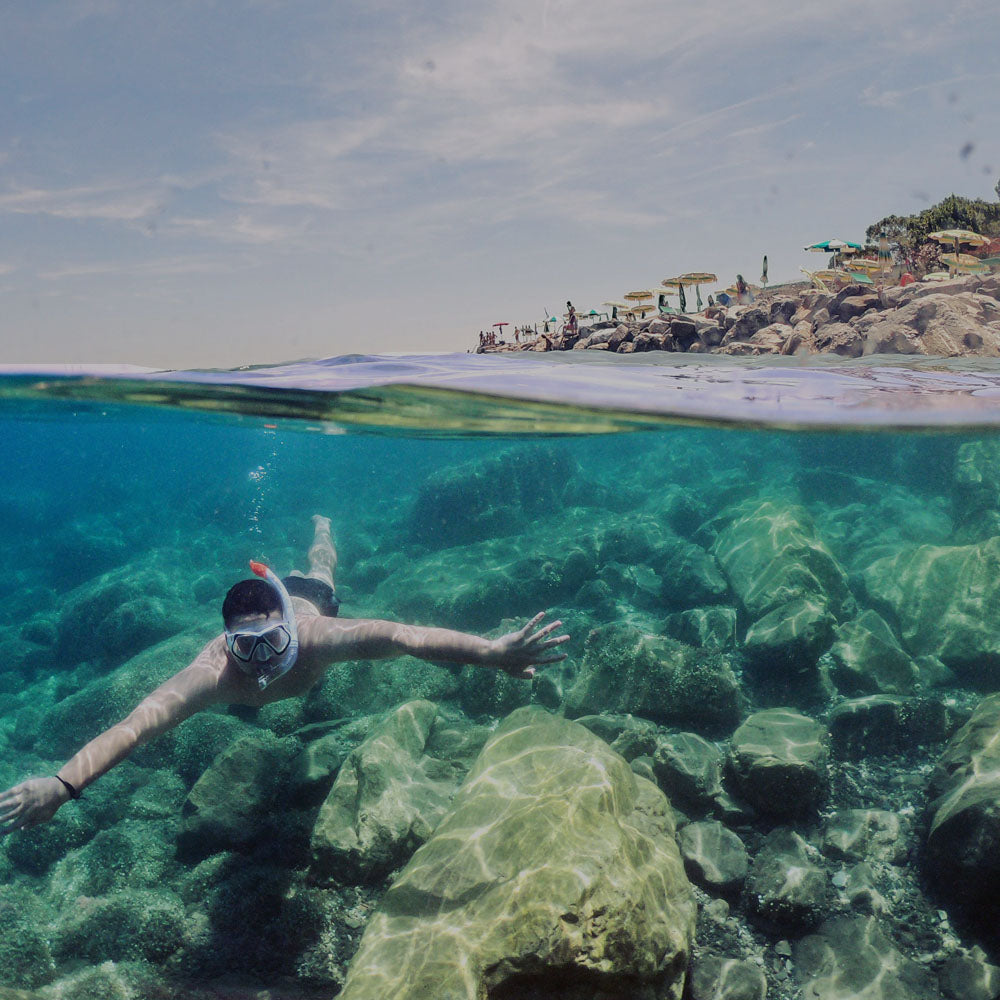
The moment your mask breaks through the water’s surface, something fundamentally changes in your perception. The noise of wind and waves fades away almost instantly, replaced by the steady rhythm of your own breathing and the quiet, cathedral-like stillness of the reef below.
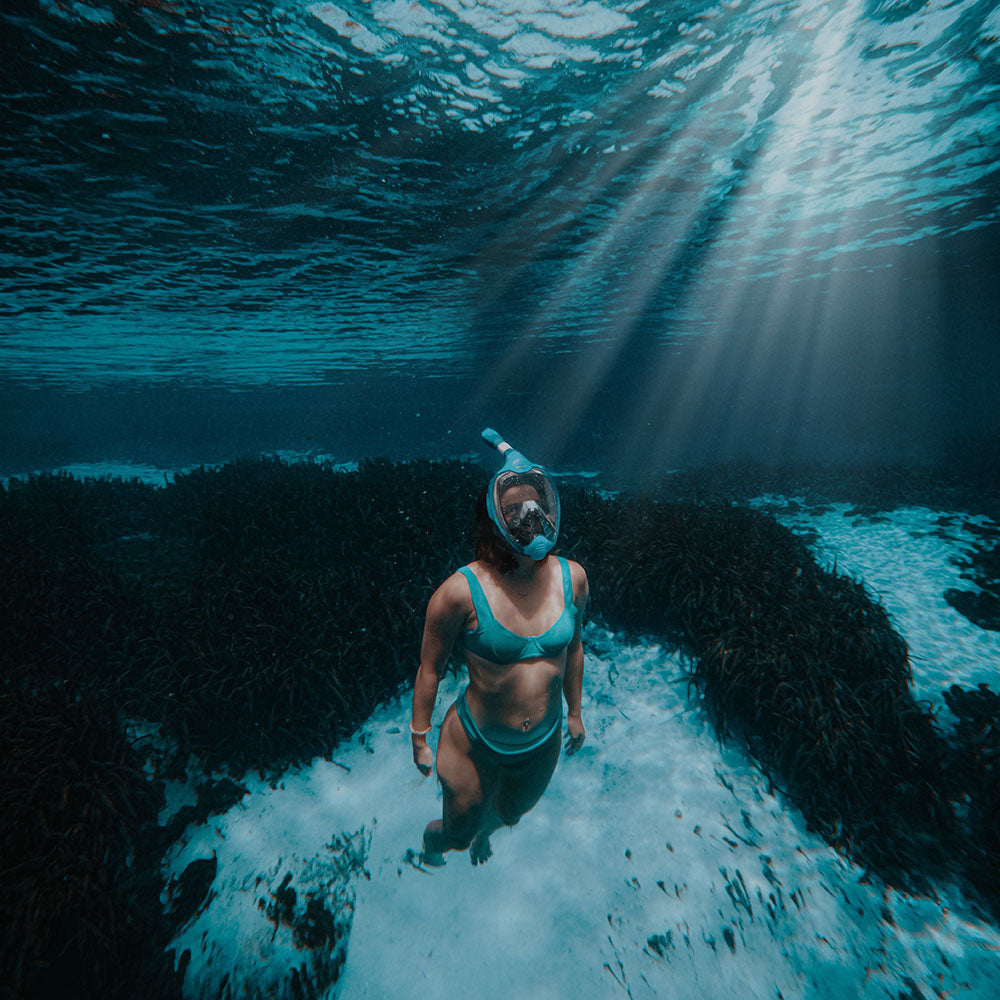
Underwater, shifting beams of light pass through the water column, scattering across coral gardens in what feels like a silent symphony of color and motion.
With more than a decade of experience as a travel photojournalist and naturalist, I have come to understand that the ocean is far more than a destination—it is a fragile living system that deserves both respect and protection. As the naturalists at the Oceanic Society often emphasize, true conservation begins with connection.
“Discover just how extraordinary the underwater world is—put on a mask, strap on your fins, and explore the beauty of the ocean.”
Whether you are an experienced diver or preparing for your very first time in the water, this guide—built from years of field experience—aims to help you travel safely, meaningfully, and with a deeper sense of responsibility beneath the surface.
2. Global Highlights: A Tour of Premier Snorkeling Regions
Marine biodiversity tends to cluster in specific “blue hotspot” zones. Below are some of the most remarkable regions I’ve encountered through my fieldwork and photography.
Asia
Asia is one of the richest regions in the world for marine life. Beyond world-famous destinations like the Maldives, places such as Bali, Lombok, and coastal Thailand also offer exceptionally dense coral ecosystems.
In these waters, you can easily practice identifying marine species—from brightly colored butterflyfish to the territorial titan triggerfish, known for its bold behavior around reefs.
Caribbean
One of the biggest advantages of the Caribbean is its accessibility, making it ideal for snorkelers of all levels.
- Bonaire: Excellent shore-entry snorkeling with almost no barriers from land to reef
- Grand Cayman: Home to around 15 distinct snorkeling sites
- Aruba: Mangel Halto Beach is known for its mangrove ecosystem and large schools of parrotfish
Egypt & the Red Sea
The coral reefs of the Red Sea are widely recognized for their resilience to climate change, which is why they attract significant scientific interest.
- Marsa Alam: One of the few places where encounters with the rare dugong are possible
- Sharm El Sheikh: Famous for its well-preserved and structurally complex reef systems
North America
High-quality snorkeling experiences are closer than many people expect:
- Honolua Bay, Hawaii: A unique blend of volcanic landscapes and clear ocean water
- John Pennekamp Coral Reef State Park, Florida: One of the key locations for observing Atlantic soft corals
Europe
While not as tropical in appearance, the Mediterranean stands out for its clarity and distinctive underwater landscapes.
Key destinations include:
- Malta
- Greece
- Cyprus
These areas hold particular appeal for those keen on exploring underwater caves, rock formations, and more complex seabed terrain.

3. Featured Destination: The Maldives
If there is one archipelago that truly represents the idea of a “world-class snorkeling experience,” it has to be the Maldives.
Encounters with large marine animals here are not rare or occasional—they are part of the natural rhythm of the ecosystem.
One of the most remarkable locations is:
Hanifaru Bay
A UNESCO Biosphere Reserve where, under the right tidal conditions, you may witness:
- Hundreds of manta rays gather in a single area
- The famous “cyclone feeding” behavior
- Occasional close encounters with whale sharks
The sheer density of marine life here is extraordinary. From massive whale sharks to dense schools of reef fish, the entire scene feels almost overwhelming in scale and movement.
“This is a place where underwater memories are made—where the richness of marine life feels almost unmatched anywhere else on Earth.”
4. Gear and Preparation: A Professional Checklist
Years of experience have shown me one thing clearly: many “once-in-a-lifetime” trips are ruined by poor-quality or ill-fitting rental gear. Bringing your own equipment is often the only way to ensure consistency and comfort.
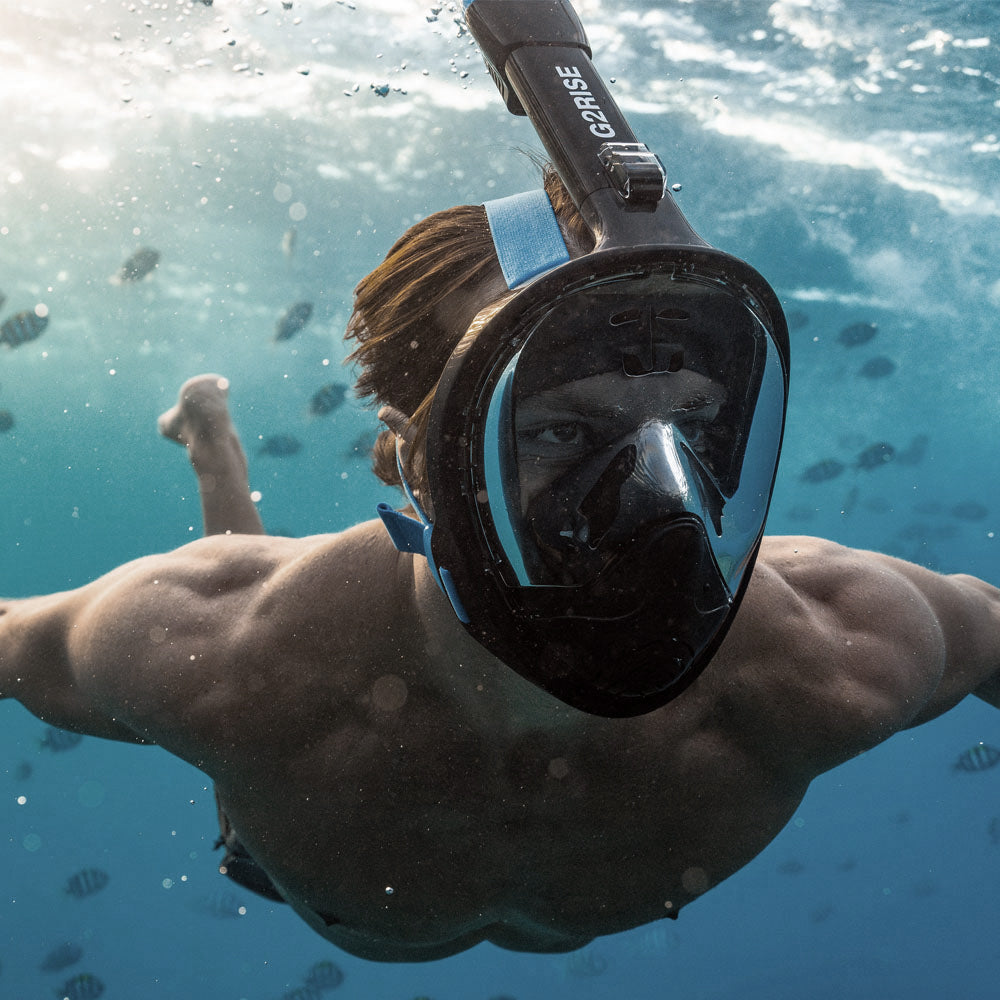
The Mask: Your Window to the Underwater World
When choosing a mask, you’ll generally find two main styles:
Single-lens masks: offer a wider, more immersive field of view
Double-lens masks: provide better depth perception and easier optical correction options
Recommended Options
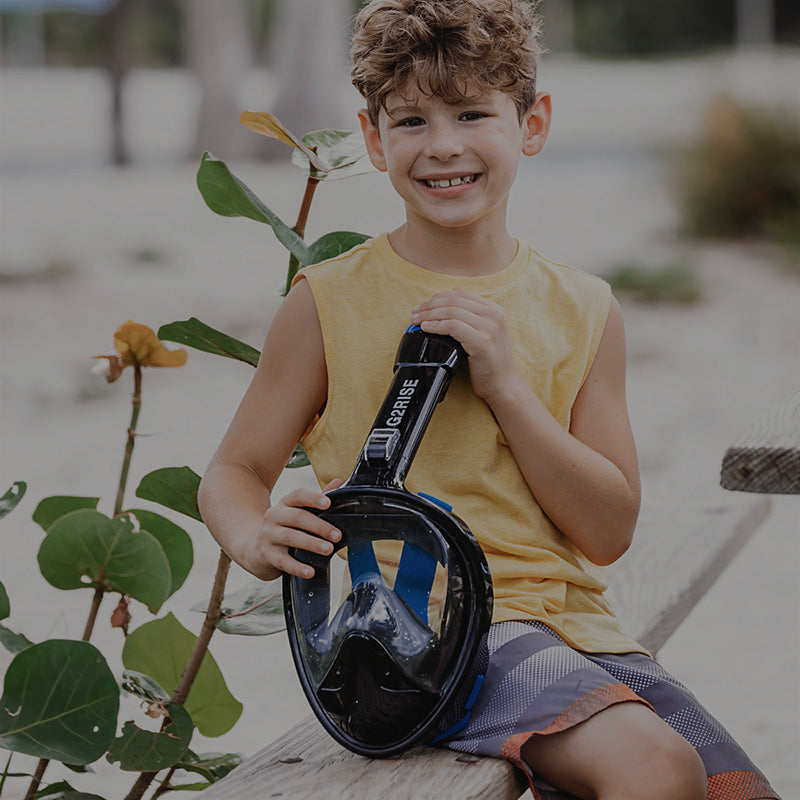
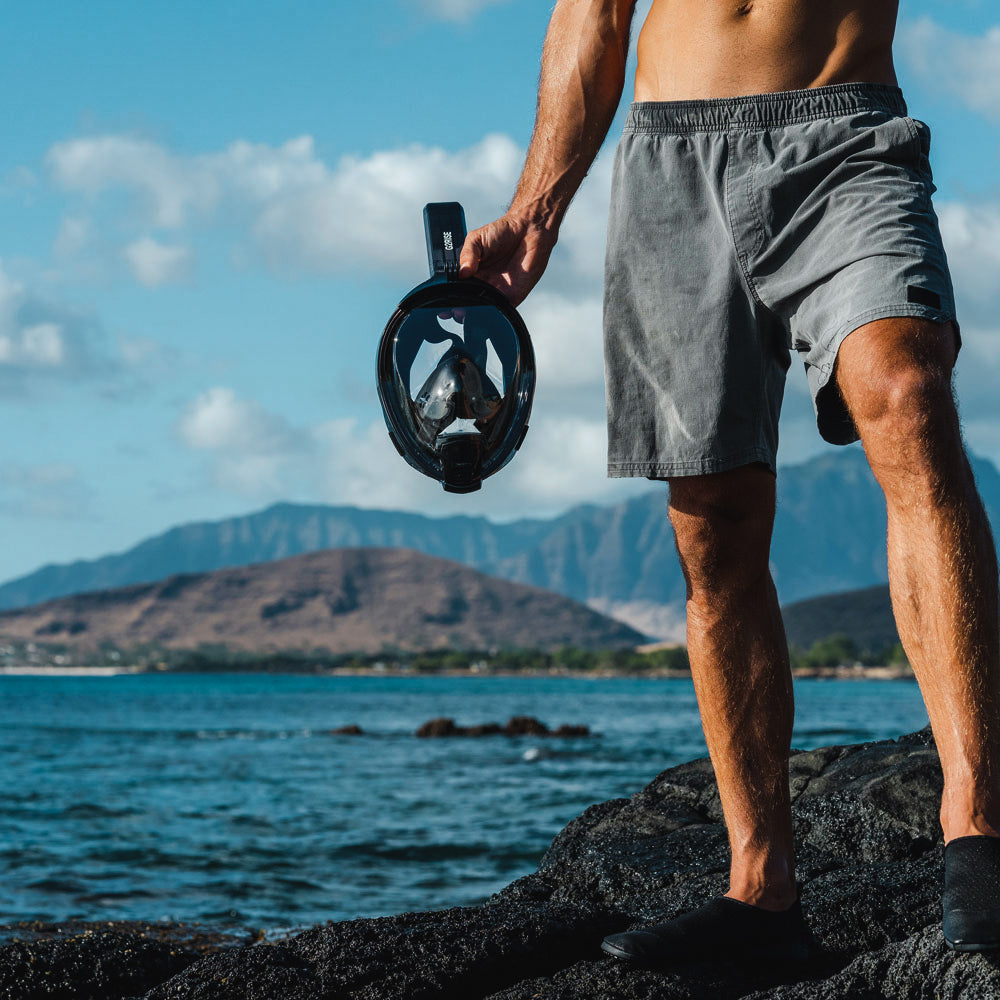
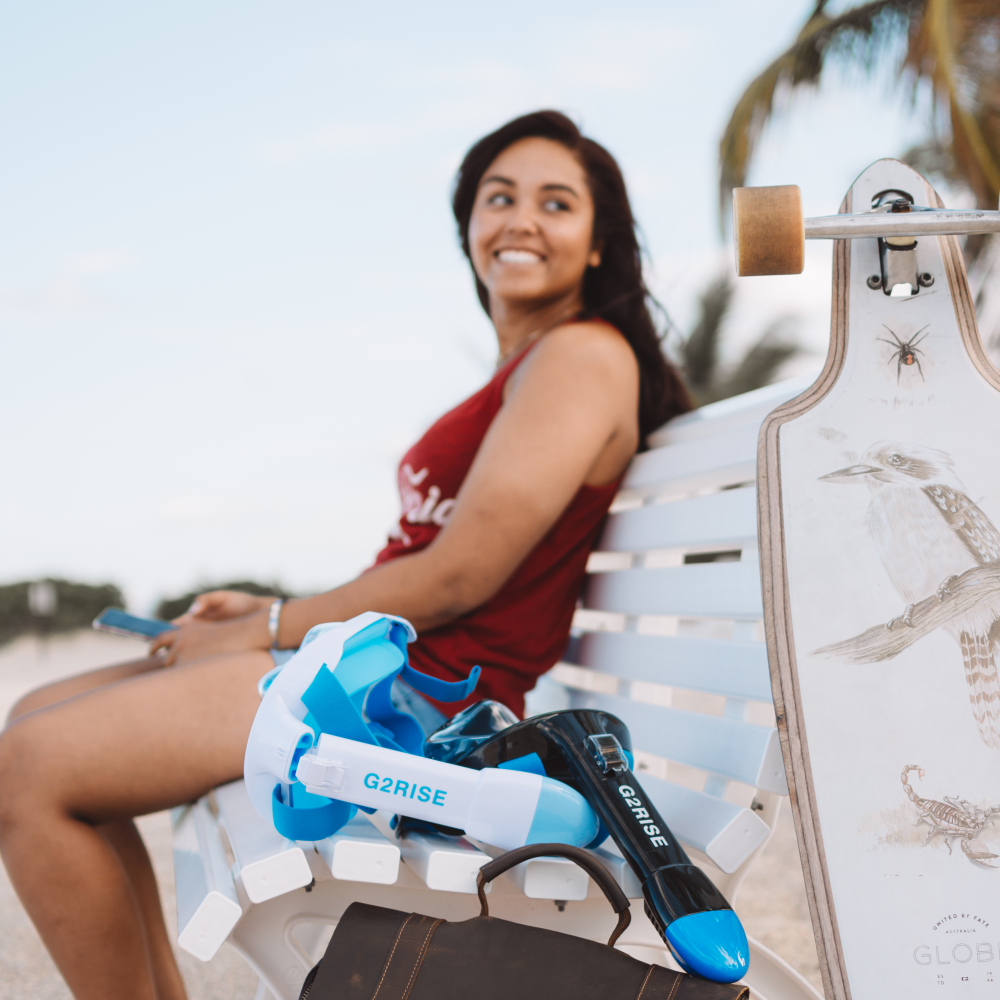
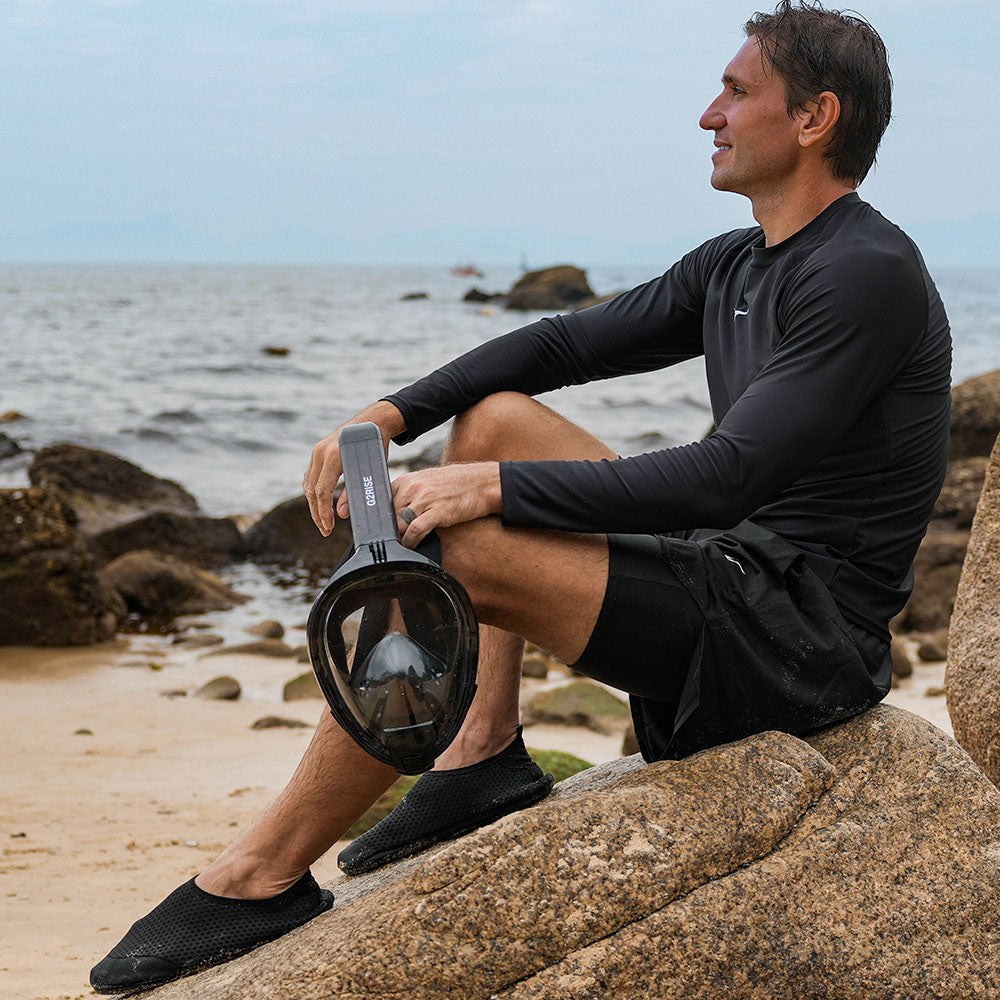
- G2RISE SN02 Snorkel Set: suitable for most face shapes and beginner-to-intermediate users
- G2RISE SN01: designed for recreational snorkeling in calm water environments
Safety Notice (Important)
The full-face snorkeling mask is designed for recreational snorkeling; when used correctly in suitable environments, it offers a comfortable breathing experience and a wider field of view.
However, please note that it is not a universal piece of equipment suitable for all waters or usage scenarios; proper usage guidelines must be followed.
Usage Recommendations and Safety Limits:
Suitable only for calm snorkeling areas
Examples include shallow bays, the periphery of coral reefs, and waters with no or low currents
Avoid use in the following environments:
- Deep-water area
- Environments with strong waves or currents
- Freediving or breath-hold diving scenarios
- High-intensity physical activity or prolonged continuous use
Manage usage duration
Use in intervals rather than wearing it continuously for long periods; take adequate breaks
Choose products from qualified and reliable brands
Prioritize products that have undergone safety testing and quality certification, ensuring a well-designed breathing channel and stable ventilation structure
Ensure proper fit and check for a secure seal
Ensure the mask fits snugly to prevent water leakage or discomfort caused by an improper size
“Breath-On” Fit Test
- Clear hair away from your forehead
- Place the mask on your face without using the strap
- Inhale through your nose and hold your breath
- If the mask naturally seals and stays attached to your face, the fit is good
Snorkels and Fins
Snorkels:
- A simple J-shaped snorkel is recommended
- The simpler the structure, the more reliable it tends to be
- Avoid overly complex valve systems
Fins:
An essential piece of equipment, not optional
- They provide propulsion and help with safe movement in the water
- Lightweight travel fins (around 20 inches) are a practical choice
Thermal Protection
Water conducts heat away from the body about 20 times faster than air.
- 1–2mm wetsuit: ideal for tropical waters (80–85°F)
- 3/2mm wetsuit: suitable for slightly cooler conditions (71–79°F)
Gear Maintenance
New mask lenses usually come with a factory protective film:
- Gently remove it by scrubbing the inner lens with toothpaste
- Otherwise, the mask may fog up repeatedly
Anti-fog methods:
- Eco-friendly anti-fog solutions such as Stream2Sea
- Or saliva (simple and commonly used)
⚠️ Note: Do not mix anti-fog solutions with saliva, as they cancel each other out.

5. Eco-Friendly Snorkeling: Protection and Skin Care
The impact of sunscreen on coral reefs is often underestimated.
An estimated 6,000–14,000 tons of sunscreen enter the oceans every year, potentially contributing to coral bleaching and DNA damage in reef ecosystems.
Best approach: Physical protection
- UPF-rated sun-protective clothing
- Rashguards
- Full-body sun suits
Example brands:
Waterlust
Neosport
Swimmer’s Ear Care
A simple DIY solution:
- Mix white vinegar and medical alcohol in a 1:1 ratio
- After each snorkeling session, place a few drops into the ear canal
- This helps keep the ear dry and reduces the risk of infection
6. Capturing the Moment: Underwater Photography Tips
Underwater photography is essentially about chasing light.
As you go deeper:
- Red and yellow tones gradually disappear
- Everything begins to take on a blue tint
Shooting Tips
- Stay in shallow water when possible (within 10 feet is ideal)
- Choose clear, sunny weather for better light conditions
Recommended Gear
- Olympus TG-6 / TG-7: excellent for macro shots with a “microscope mode”
- GoPro / DJI cameras: great for stable underwater video
The 15-Second Rule
- Keep each clip to around 10–15 seconds
- Easier to stabilize footage
- Much more efficient during editing
Photography Mindset
If the camera starts pulling you away from the beauty of the reef, put it down.
See it first with your eyes and feel it with your presence—use the camera only to support that experience.

7. Conclusion: The Ripples We Leave Behind
Good equipment and proper preparation don’t just improve comfort—they allow you to enter the ocean as a respectful guest, rather than a clumsy intruder.
By choosing responsible gear and treating marine ecosystems with care, we help ensure these underwater worlds remain vibrant for future generations.
As you plan your next descent into the blue, it’s worth asking:
How might witnessing the fragile yet resilient life of a coral reef change the way you see the world above the surface?

Leave a comment
This site is protected by hCaptcha and the hCaptcha Privacy Policy and Terms of Service apply.