
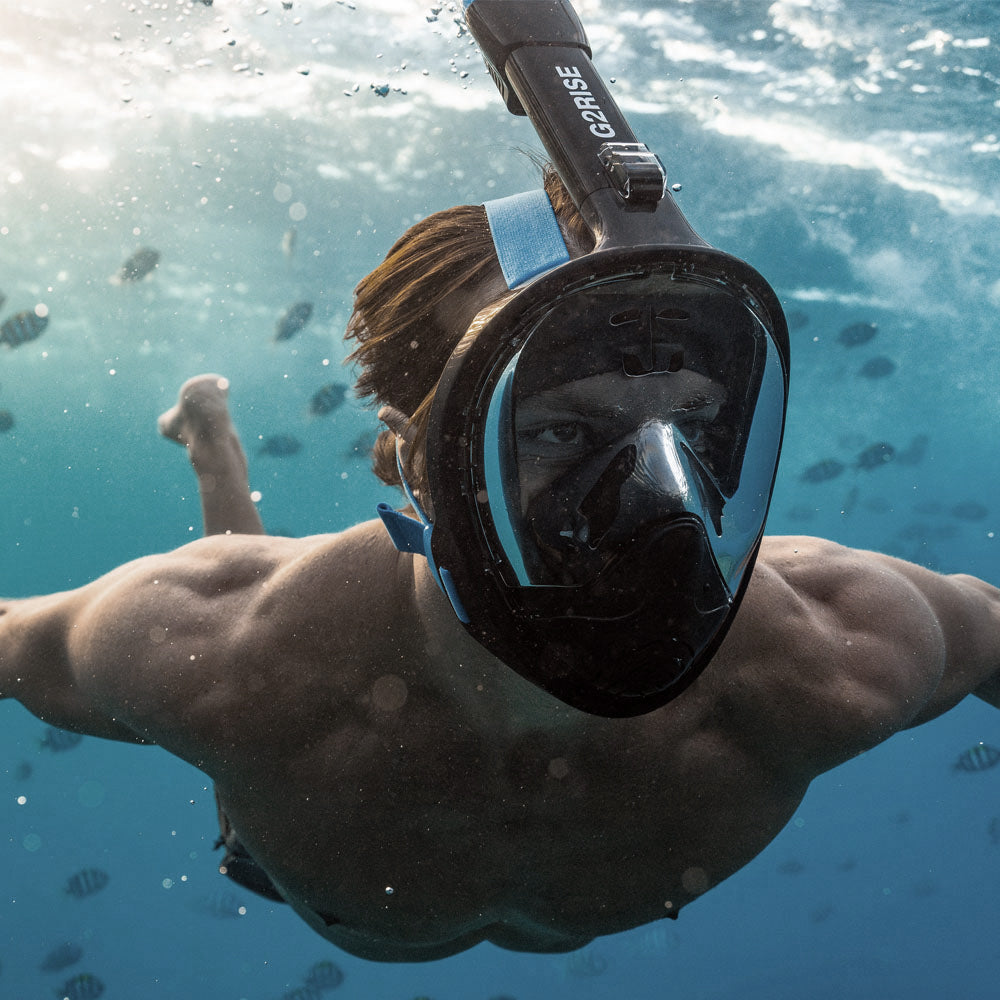
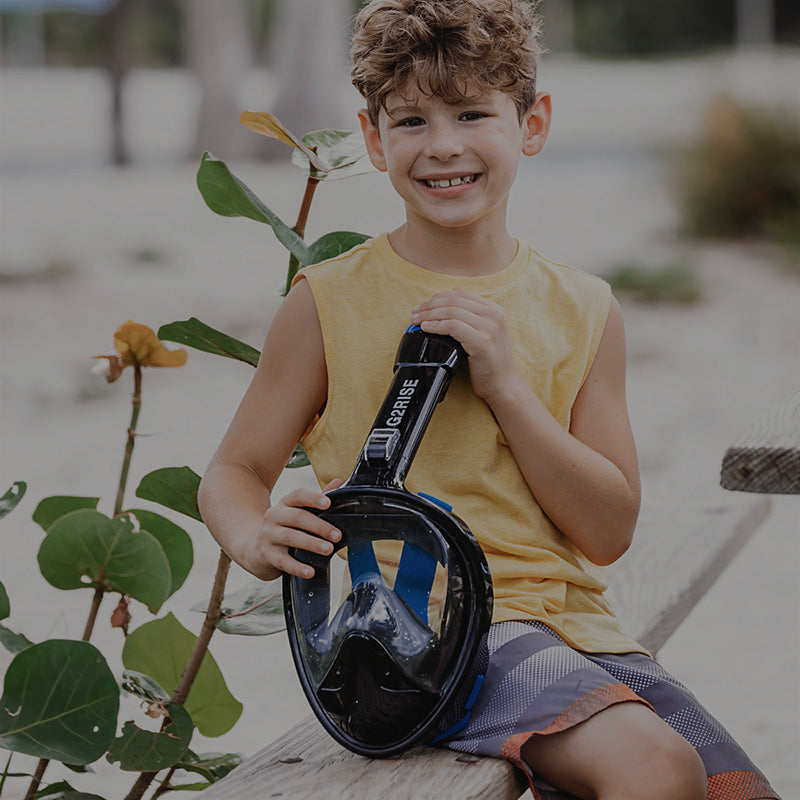
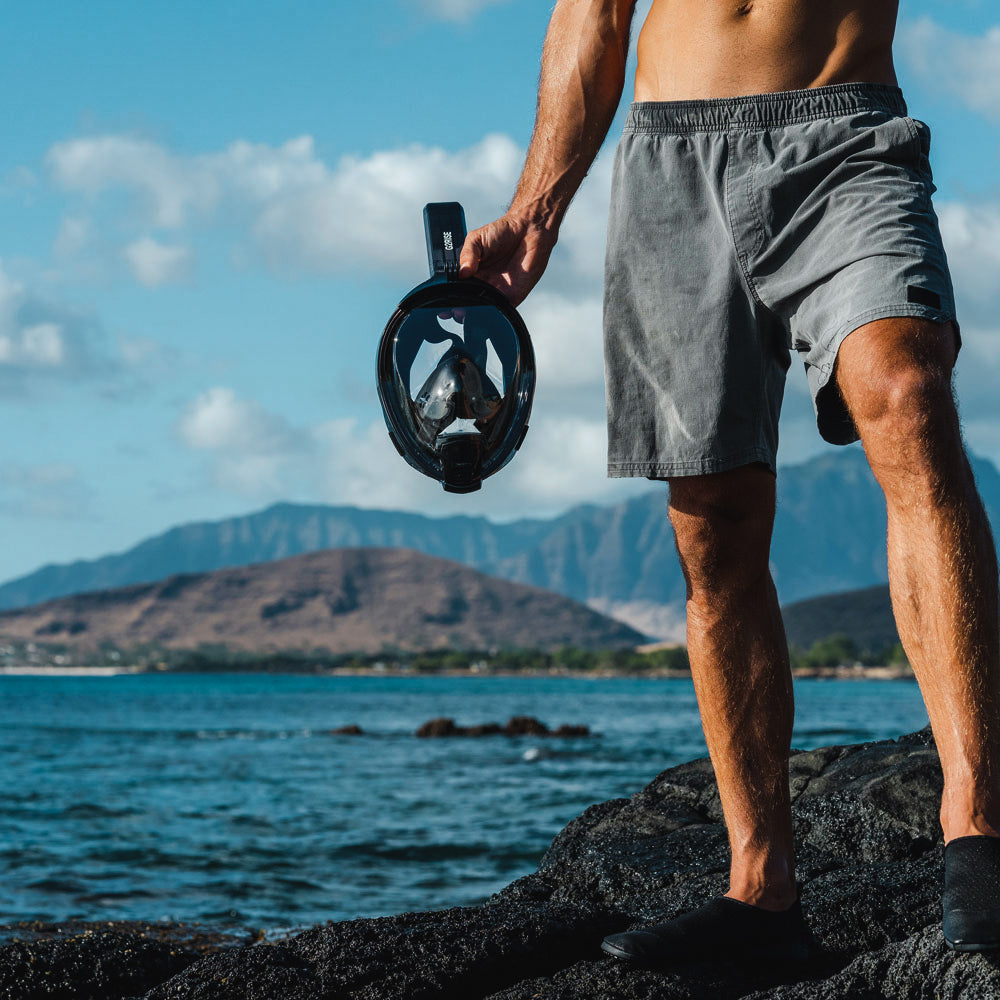
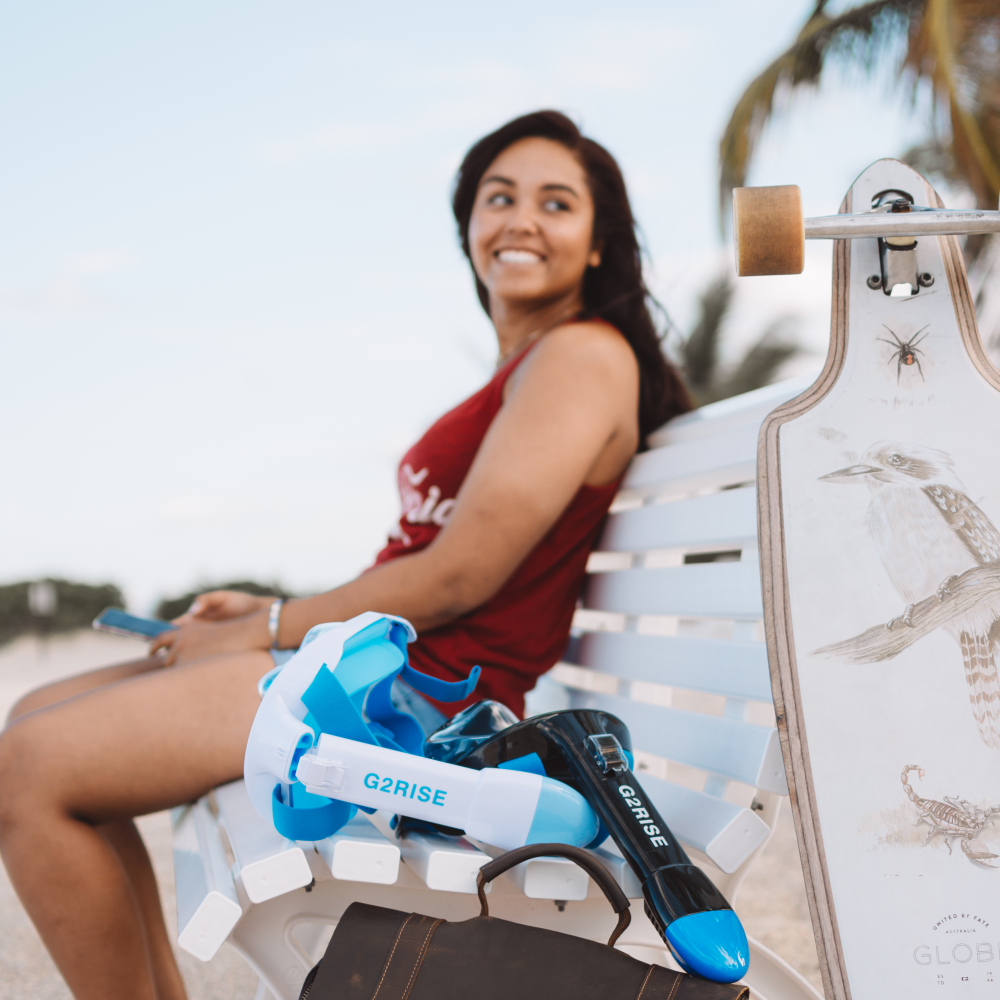
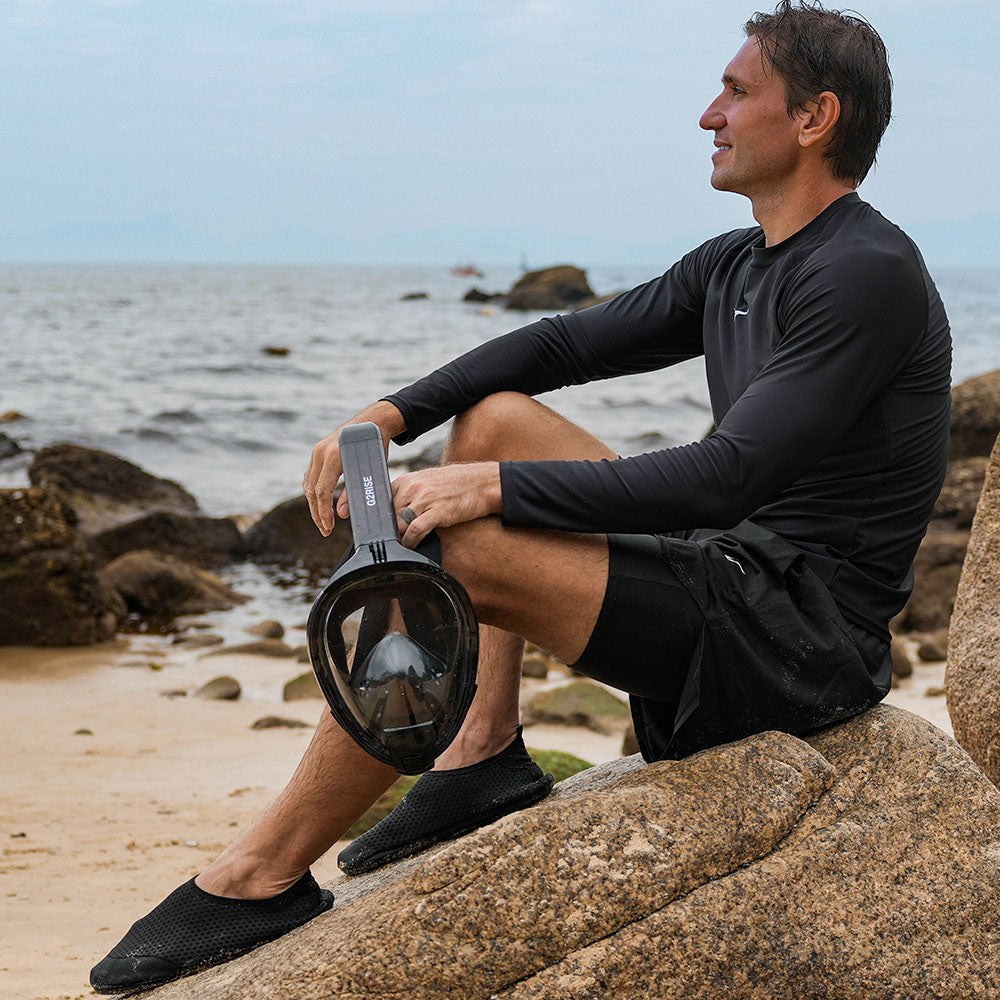
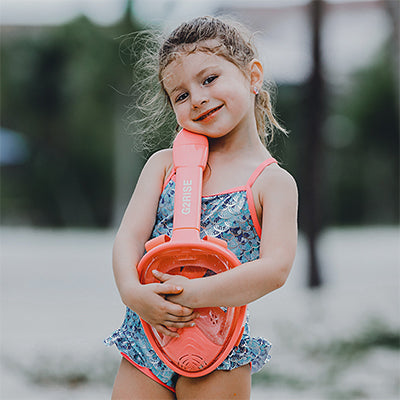

Full face masks for snorkeling can make the first few minutes in the water feel easier. You do not have to bite a mouthpiece, you can breathe through your nose or mouth, and the lens gives a big, open view. The trick is choosing the right mask, because the difference between a comfortable session and a leaky, foggy mess usually comes down to fit, airflow, and safety details.
This guide is not a generic checklist. It is written for the buyer who wants to snorkel at the surface, stay comfortable, and avoid the common mistakes people make when they buy the biggest-looking mask on the shelf. If you are shopping for a family trip, a beginner set, or a calmer alternative to a traditional snorkel, these are the details worth checking first.

Are Full Face Masks for Snorkeling Worth It?
They are worth it when your main goal is relaxed surface snorkeling. A full face mask removes the mouthpiece, reduces jaw fatigue, and lets many beginners breathe more naturally. People who dislike the feeling of a traditional snorkel often stay in the water longer with a full face design.
They are not worth it if you want one mask for everything. Full face snorkeling masks are not scuba masks, and they are not the best choice for frequent duck diving. Their strength is comfort and visibility at the surface. When you use them in the right setting, they can be genuinely helpful.
How Should a Full Face Snorkel Mask Fit?
Fit is the first buying criterion. A full face mask should seal around the forehead, cheeks, and chin without painful strap pressure. If you need to crank the straps tight to stop leaks, the size or shape is wrong. A good mask should feel secure before you over-tighten it.
Measure your face according to the brand's size guide, then test the mask dry. Place it on your face, inhale gently through your nose, and see whether it holds a light seal. Facial hair, a very narrow chin, or hair trapped under the skirt can break the seal. This matters more with full face masks because the skirt area is larger than a traditional mask.
What Airflow Design Should You Check First?
Airflow is the safety detail buyers often miss. Better full face masks separate the path for fresh air and exhaled air. That separation helps reduce fogging and keeps breathing more comfortable. Look for clear product information about one-way valves, air channels, and how exhaled air leaves the mask.
Divers Alert Network has tested full face snorkel masks and highlighted how breathing resistance and ventilation can vary by design. That does not mean every full face mask is unsafe. It means shoppers should stop treating all masks as identical. The breathing system is not decoration; it is the core of the product.

Which Anti-Fog Features Actually Help?
Anti-fog performance comes from airflow, lens treatment, and fit. If warm exhaled air keeps hitting the lens, fog will build. Masks with separated breathing channels tend to manage this better. A clean lens and a correct seal also matter more than people think.
Before the trip, wash the lens gently, keep sunscreen away from the skirt, and avoid touching the inner lens with oily fingers. In the water, fog often appears when the mask is slightly loose, the wearer is breathing hard, or the air path is not working as intended. A mask that fits well usually performs better than one that simply advertises "anti-fog" in large letters.
What Safety Details Matter for Beginners?
Beginners should look for a dry-top snorkel, separate breathing channels, a purge or drain valve, secure straps, and a lens that does not distort the view. Just as important, the mask should be easy to remove quickly. Practice taking it off before you swim into deeper water.
Use full face masks in calm water first. Avoid rough surf, strong current, and unsupervised deep water. If you feel dizzy, short of breath, or anxious, stop immediately. Gear should make snorkeling feel calmer, not trap you into pushing through discomfort.
Full Face Mask vs Traditional Snorkel Set: Which Should You Pick?
Choose a full face mask if you want easy surface breathing, a wide view, and less mouthpiece fatigue. Choose a traditional mask and snorkel if you plan to duck dive, equalize often, or learn more technical water skills. Both setups have a place.
For families and first-time vacation snorkelers, a full face mask can lower the learning curve. For experienced swimmers who want maximum control underwater, separate gear is more flexible. The wrong answer is buying one style and expecting it to behave like the other.

FAQ: Buying Full Face Masks for Snorkeling
What is the most important feature? Fit comes first, then airflow. A premium-looking mask that leaks is not premium in the water.
Can kids use full face masks? Only with the correct size, close supervision, and calm water. Never buy an adult mask for a child because it looks like a better deal.
Should beginners choose G2RISE SN01? If the goal is surface snorkeling with a broad view and easier breathing, G2RISE SN01 is a strong fit. Its value is not that it replaces diving gear; it is that it makes recreational snorkeling feel simpler and more comfortable.
If you are comparing full face masks for snorkeling, judge them by fit, airflow, anti-fog behavior, and beginner confidence. Those details will matter more on the beach than a long feature list that never touches your real water experience.
How to Compare Two Full Face Masks Side by Side
If you are deciding between two full face masks for snorkeling, compare them in a practical order. First, check the size chart and return policy. A mask that cannot be exchanged after a bad fit is a risky buy. Second, look for clear airflow information. If a brand does not explain how fresh and exhaled air move through the mask, you are missing the most important part of the design.
Third, check the skirt and strap design. A soft skirt, stable straps, and a comfortable back headpiece matter more than a flashy lens shape. Fourth, look at the snorkel connection. It should feel secure and simple, because travel gear gets assembled on beaches, hotel balconies, and boat decks. Complicated parts are easier to lose.
What to Test Before Your Trip
Do not wait until vacation day to test the mask. Put it on at home, adjust it slowly, and breathe through it for a few minutes while standing still. The breathing should feel smooth and boring. That is a compliment. Snorkeling gear should not feel dramatic before you even reach water.
If you have access to a pool, test it there first. Practice floating, lifting your head, removing the mask, and clearing small amounts of water. This is especially useful for kids and adults who are nervous in open water. A ten-minute pool check can save a beach day from becoming a gear troubleshooting session.

Buying for Kids, Families, or First-Timers
When buying for a family, do not buy one size and rotate it between everyone. Full face masks are fit-sensitive, and a child's face shape is not a smaller version of an adult face. Each user needs their own properly sized mask. Supervision also matters. A full face mask can make snorkeling easier, but it does not replace swimming ability or water judgment.
For first-timers, prioritize calm water over exotic location. A clear, shallow cove is better than a famous reef with current and boat traffic. Once the user is comfortable breathing and removing the mask, longer sessions become easier. This is where a beginner-oriented mask like G2RISE SN01 fits well: it supports the simple, calm, surface-level use case most vacation snorkelers actually need.
Red Flags to Avoid When Shopping
Avoid masks that claim you can breathe underwater. Avoid listings with no sizing guidance. Avoid vague safety claims that never explain airflow. Avoid masks that look like copies but provide no information about materials, valves, or support. A lower price is not useful if the product makes the water feel stressful.
The better buying question is not "Which mask has the most features?" It is "Which mask will make my first ten minutes in the water feel calm?" If the answer is clear fit, clean airflow, simple removal, and a realistic use case, you are looking in the right direction.
One Last Fit Check
Before you pack the mask, do one last fit check with dry hair and clean skin. Smile, turn your head, and breathe normally. If the seal breaks during those simple movements, fix the sizing before the trip. A full face mask should feel calm before it ever reaches salt water.
That small test gives beginners a clear yes-or-no answer before the water adds noise, movement, sunscreen, and nerves.
Sources consulted: Divers Alert Network full-face snorkel mask safety study, U.S. CPSC snorkel-mask safety materials, Tropical Snorkeling buyer guidance, DiveIn equipment reviews, and current SERP competitor pages.

Leave a comment
This site is protected by hCaptcha and the hCaptcha Privacy Policy and Terms of Service apply.