

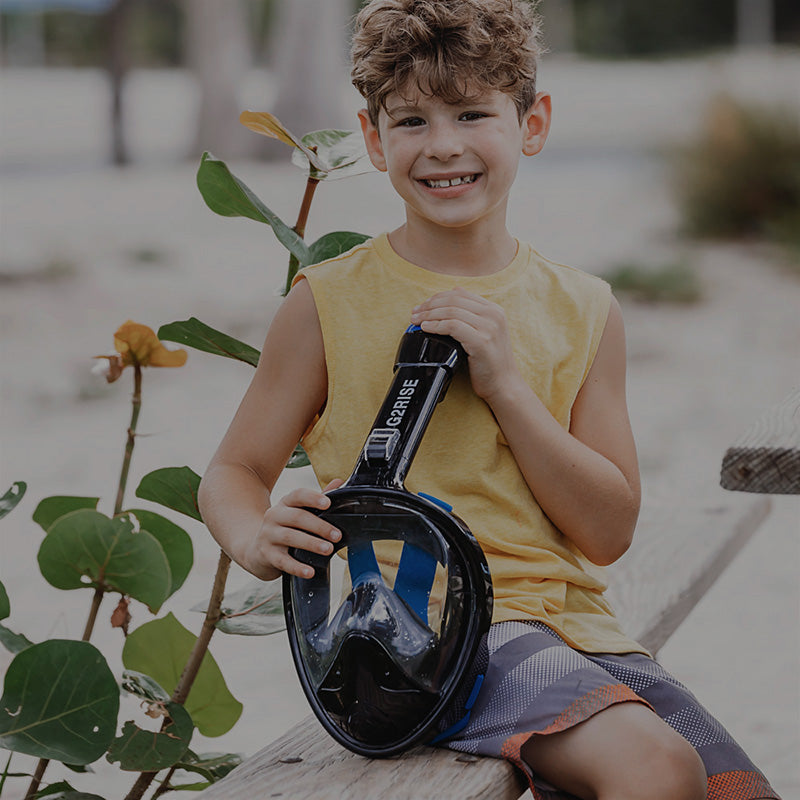


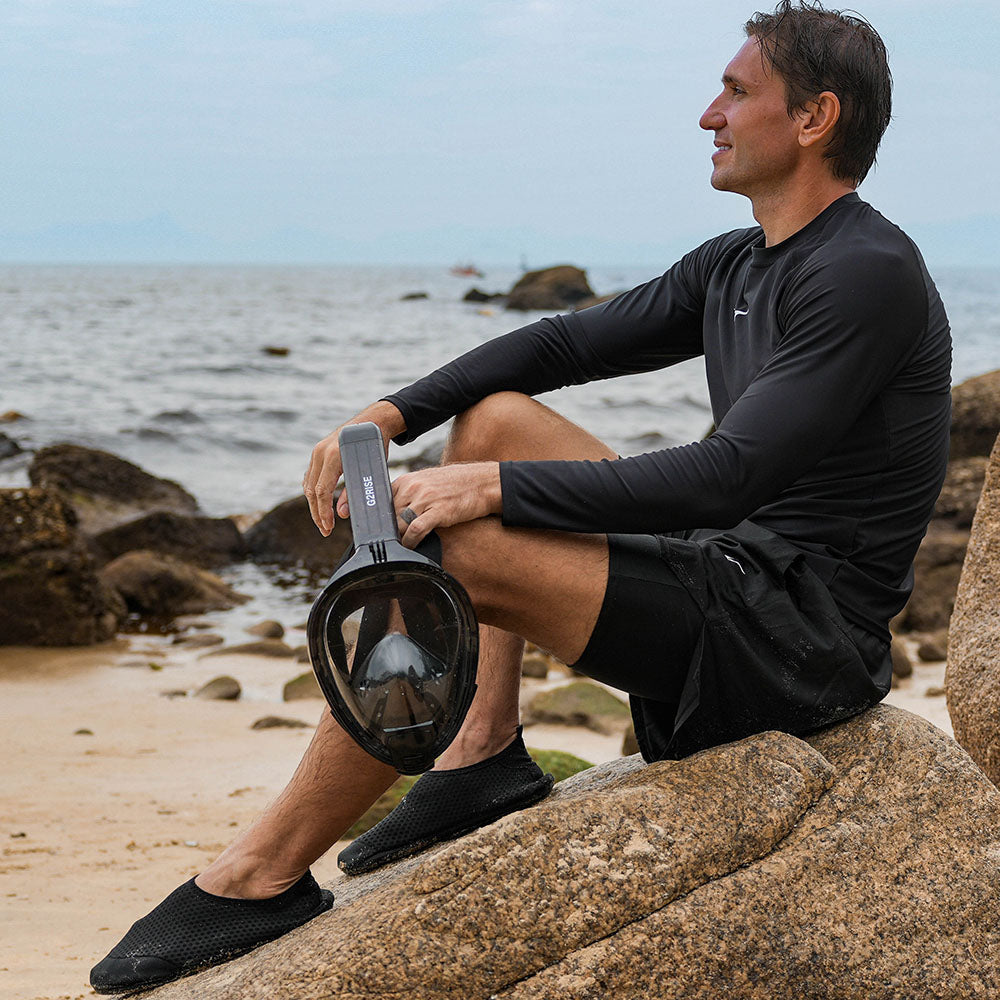

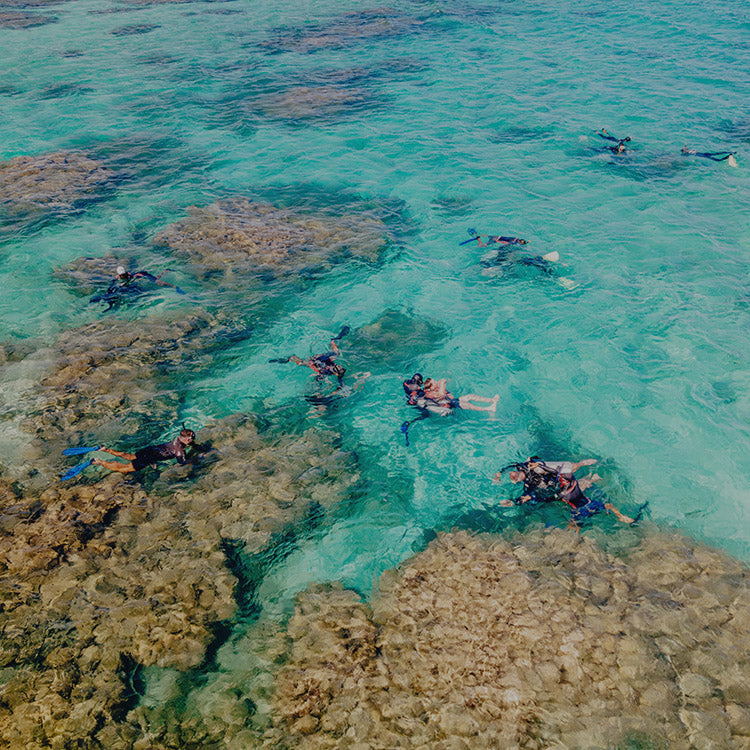
There's a particular pleasure in a beach day with no departure whistle. Someone wants another look at the water. Someone else wants lunch. A child has found something interesting in the sand, and nobody needs to hurry them onto a boat.
Shore snorkeling can fit that kind of holiday, provided the access, conditions, and supervision suit your family. The aim isn't to stay in the water for as long as possible. It's to make room for a worthwhile look below the surface within a day everyone enjoys.
This guide focuses on the rhythm of the day: when to arrive, how to share responsibilities, and how to leave enough room for plans to change.

How Does Shore Snorkeling Change a Family Beach Day?
Shore snorkeling lets you organize a beach day around a land-based starting point rather than a fixed boat departure. That can make breaks and different interests easier to accommodate. It still requires suitable access, appropriate swimming ability, close supervision where needed, and a realistic assessment of the conditions before entering.
Think of the beach as a place to spend the day, rather than merely a launching point. Is there somewhere appropriate to rest? Can everyone reach it comfortably? What happens if the water portion ends earlier than expected? Those questions affect whether a location works for the whole group.
Keep the day's ambition modest. One satisfying session can be enough. You don't need to schedule repeated entries or promise another attempt if someone is already tired or uncomfortable.
The sea is only part of the experience. A snack, a book, a conversation, and time to watch the shore can make the outing feel complete even when snorkeling occupies a small portion of it.
Before choosing a location, use our guide to researching snorkeling spots as a starting point, then check current local information. A destination's reputation doesn't tell you what conditions will be like on your date.
Give the family a simple expectation: we'll see what the beach and water are like, and decide together what fits. That's more useful than promising a particular animal, photograph, or length of time in the sea.
When Does Shore Access Fit Better Than a Boat-Based Outing?
Shore access may fit a family that values flexible breaks and time together on land, while a boat outing may suit a specific guided experience or offshore location. Compare the actual access and support available. Being close to a beach doesn't automatically make a snorkeling plan easier or safer.
A beach-based plan can appeal when some family members don't want to snorkel. They may prefer spending time ashore while others join an appropriate guided session. Check how that arrangement works at the location, including access permissions and responsibilities for children.
A boat-based outing may provide a defined meeting point, a briefing, and an organized return. It can also involve a moving deck, ladders, a fixed departure, and limited opportunities to leave early. Ask about these details instead of making assumptions from the tour photograph.
For shore snorkeling, look beyond the distance from a hotel room to the sea. Consider the route on foot, any steps, where people enter and leave, and how local boat traffic or changing water conditions affect the area.
The National Park Service's St. John snorkeling guide emphasizes the importance of individual ability and site conditions when choosing where to go. Its advice is a useful reminder to compare specific situations, rather than declaring one style of outing best for every family.
If you can't explain why a particular shore plan fits your group, keep researching or ask a qualified local provider. Convenience on a map is only one part of the decision.
How Should You Arrange Entry, Exit, Rest, and Shore Support?
Agree on the access route, intended exit, rest area, and everyone's responsibilities before anyone enters the water. Keep the arrangement simple and suited to the people involved. A person waiting on the beach isn't a substitute for an appropriate in-water buddy, close child supervision, or professional support where required.
Walk through the plan together while everyone can hear. Point out the meeting place. Confirm who is participating, who is staying ashore, and who is responsible for each child. Avoid vague handovers such as “someone will keep an eye out.”
Ask a local operator or responsible site staff about the current access arrangements. A familiar-looking stretch of water can have local considerations that aren't obvious to a visitor. If no one can provide the information your family needs, that may be a reason to choose a different activity.
Keep rest time genuinely restful. Don't make the person who has just come out immediately responsible for a complicated transfer, a long walk, or gathering everyone else's belongings. Build in space to regroup.
Use your ordinary family routines to identify what could become awkward. A child who needs help changing, a grandparent who dislikes standing for long, or a parent managing several bags can make a simple plan surprisingly demanding.
For equipment preparation, refer to our mask-fit guide. Complete those checks before the outing when possible. The beach shouldn't be the first place you discover that someone's gear is unfamiliar or doesn't fit.

How Can Different Family Members Take Part Without Rushing?
Give each family member a suitable way to participate, including the option to stay ashore or finish early. Organize the day around different interests rather than a shared endurance target. Make supervision responsibilities explicit whenever the group splits, and avoid pressuring a hesitant person to keep up with others.
A family doesn't have to move through the day as a single unit. Some adults may want a guided water activity while others enjoy the beach. Children might prefer a short attempt followed by something familiar on land. Those choices can coexist if the arrangements are clear.
Talk about preferences before arrival. Ask what each person is looking forward to and what would make them uncomfortable. You may learn more from “What would you rather skip?” than from “Are you excited?”
Don't use another participant as the standard. A confident sibling isn't proof that a younger child is ready. A grandparent who swims regularly may have different needs from an adult who rarely goes in the sea. Keep the discussion about actual abilities and access requirements.
If someone opts out, give their day a positive shape. Invite them to choose lunch, a short walk, or a place to sit together afterward. They shouldn't feel as though they're simply guarding bags until the real activity ends.
Leave some time with no objective at all. A holiday can become tiring when every pause is treated as an opportunity to add another activity. A relaxed meal together may be the part everyone remembers.
How Do You Keep a Flexible Schedule as Conditions Change?
Use a loose sequence for your beach day rather than fixed promises about when or how long everyone will snorkel. Check local advice and conditions on arrival, reassess before any later session, and keep a land-based alternative available. Yesterday's experience and an attractive forecast don't settle today's decision.
A practical sequence might be arrival, a look at the site, a decision about the water activity, rest, and a shared meal. That's an example of an adaptable routine, not a recommended operating schedule for a particular beach.
Avoid promising a second session before the first has happened. Someone may be tired, visibility may be disappointing, or local advice may change. A flexible plan makes it easier to respond without turning a sensible choice into a family argument.
Shore access also doesn't mean the interesting part of the water begins right at your feet. As one location-specific example, NPS describes St. John's Trunk Bay underwater trail as extending roughly 300 feet before turning back. That is a description of a named trail, not a target distance for visitors to copy. Check the route and your suitability locally.
Keep any later reservation loose enough that the beach doesn't become a countdown. If lunch requires a long transfer, decide whether that booking adds pleasure or merely another deadline.
And if the sea isn't right for your family, let the water activity go. The day's value doesn't depend on proving that the original plan was a good one.
When Should You Book Local Guidance or Choose a Land Activity?
Book appropriate local guidance when you need help understanding access, the route, conditions, or the support your family requires. Choose a land activity when the available arrangement doesn't match your group. A guide can provide local knowledge, but the trip's stated requirements still need to fit every participant.
Ask prospective providers how their shore sessions work. Do they offer an introduction suited to your family's experience? Where does the group enter and leave? What happens if someone doesn't want to continue? These answers are more useful than a broad promise of an unforgettable day.
If a child or adult has access needs, explain them before booking. Ask about the complete journey, not just the water activity. A provider can only give a useful answer when they understand the relevant circumstances.
When you choose to stay ashore, make the alternative easy. A meal, a short walk on an established route, or simply relaxing may require less organization than finding another paid activity at the last minute.
There's plenty to be curious about without entering the sea. Look at a local interpretation board, talk about the coastline, or ask what habitats are present nearby. Keep any wildlife observation respectful and follow local access rules.
If you'd like help planning the broader outing, our family beach-day preparation article covers a different part of the process. Use it alongside local information, rather than as a substitute for it.

How Can You Turn a Short Snorkel Into a Shared Vacation Ritual?
Make the shared part of the day a small conversation or activity everyone can join, rather than a requirement to spend more time in the water. Talk about what you noticed, include the people who stayed ashore, and leave room for an ordinary beach afternoon to be memorable on its own.
Afterward, ask each person for one detail. It might be a fish shape, a patch of seagrass, the sound of the shore, or something funny that happened over lunch. You don't need to identify everything correctly to have a worthwhile conversation.
If someone wants to learn more, consult a local field guide or a reliable identification resource later. Avoid turning the water activity into a hunt for a particular species. The observation can be interesting without a rare sighting.
Keep souvenirs to memories and permitted photographs. Leave natural objects where they are and follow the site's rules. A family tradition can be as simple as choosing a favorite moment while walking back.
When a suitable shore outing is part of your holiday, G2RISE snorkeling gear can support your preparations. Choose by the applicable size chart, check fit, and follow the instructions. A full-face mask is for surface snorkeling, not breath-hold diving; no mask supplies swimming ability, flotation, or supervision.
The most repeatable family ritual is often the least elaborate: make a sensible plan, enjoy what the day offers, and finish while everyone still wants to come back to the beach.

Leave a comment
This site is protected by hCaptcha and the hCaptcha Privacy Policy and Terms of Service apply.