

The easiest way to buy the wrong snorkel set is to start with the number on the box. Four pieces sounds more complete than two. A matching color scheme looks tidy. Neither tells you whether the mask fits your face or the fins suit your feet.
For a family trip, treat the kit as a collection of individually fitted items. One person might be happy with a bundled set. Another may need a different mask shape or separately sized fins. There is no prize for forcing everyone into the same configuration.
This guide breaks down what snorkel sets include, how to compare their components, and what to check before departure. The goal is a kit that works for the person wearing it and the activity you have planned.

What should a complete snorkel set include?
A snorkel set should provide the components needed for your planned surface activity, with a mask and breathing arrangement that fit the user. Many sets include fins, while some add a bag or another accessory. Check the actual contents rather than assuming that the advertised piece count describes a standard package.
Current manufacturer pages illustrate the difference. Seavenger's snorkeling collection, checked on October 16, 2026, lists a Hanalei 4-piece set as well as separate mask-and-snorkel combinations. Cressi's collection shows the Palau Set with a mask, snorkel, and fins. Those are examples of packaging, not a quality ranking.
Make a component list for each option. Identify the mask type, snorkel design, fin construction, available sizes, and included storage. If a bag counts as one piece, it does not add another in-water function.
Also check what is not supplied. A set is not necessarily a complete plan for sun protection, exposure protection, prescription vision needs, or flotation appropriate to the activity. Those choices depend on the person, site, and provider's requirements.
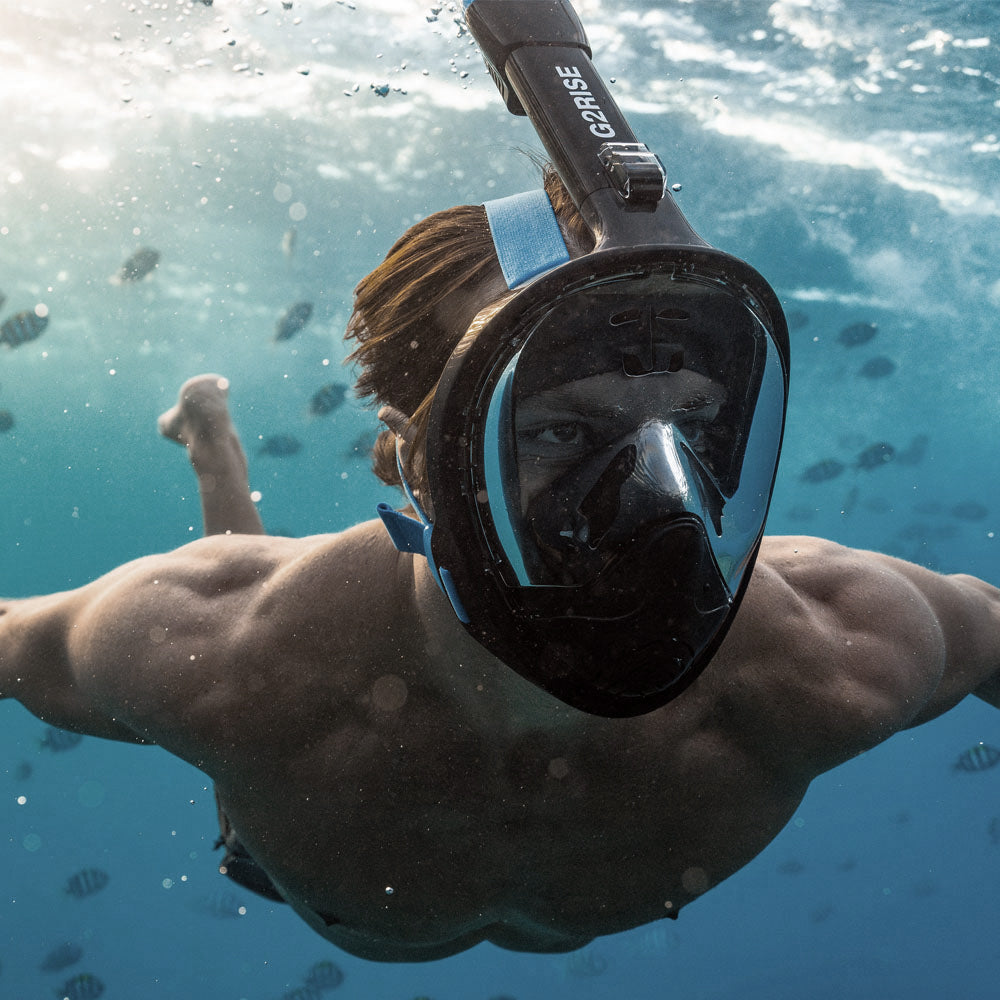
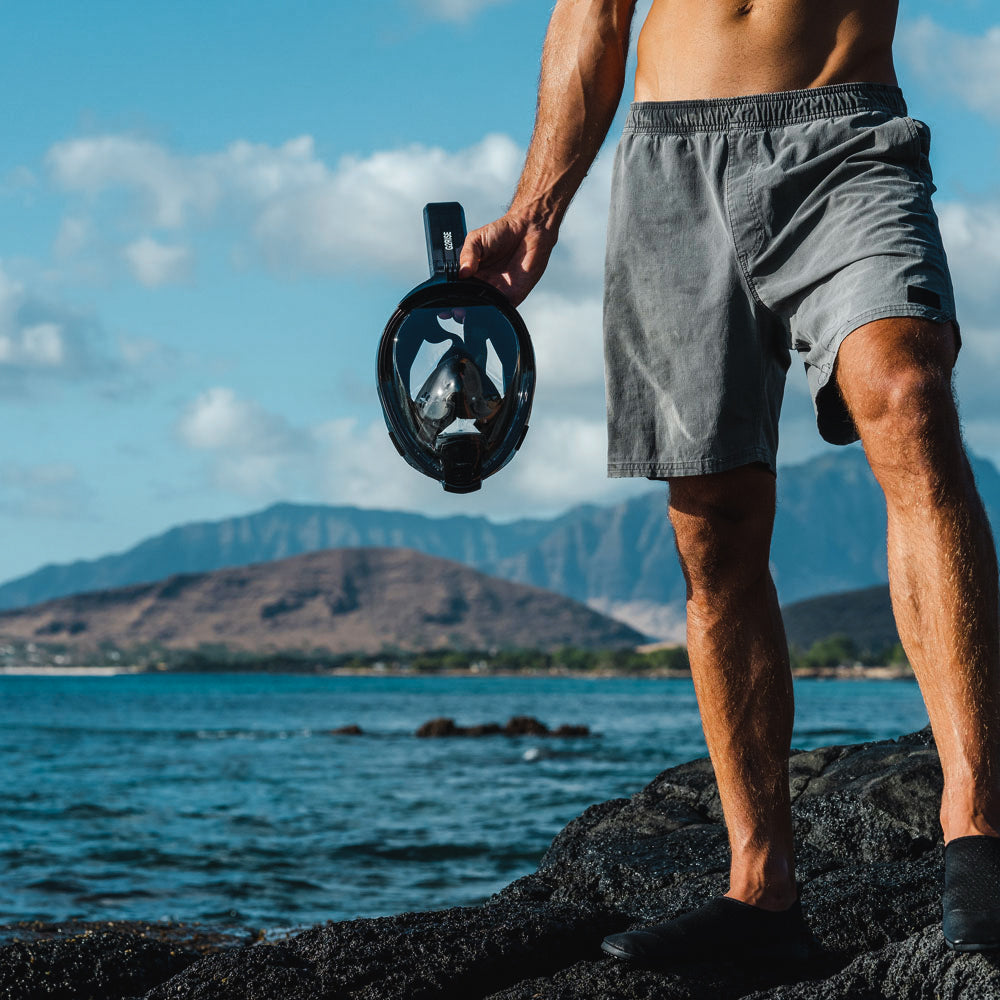
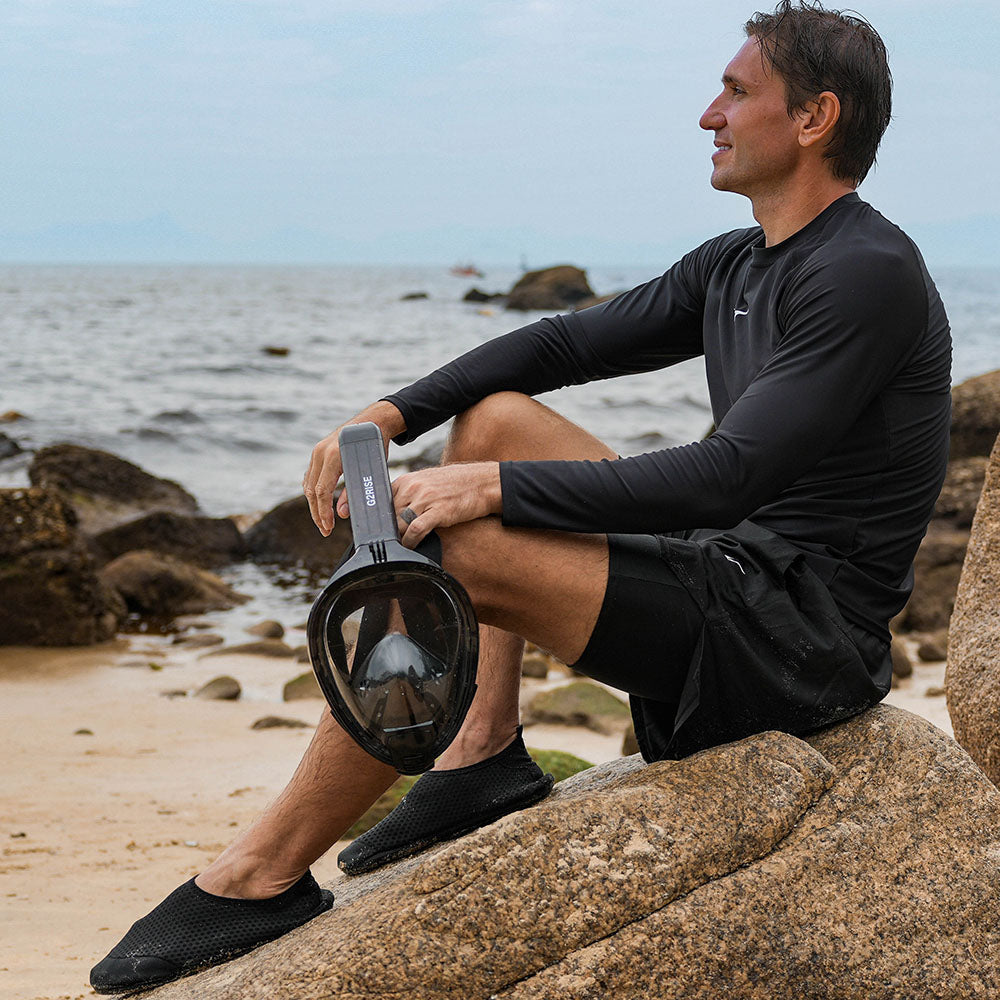
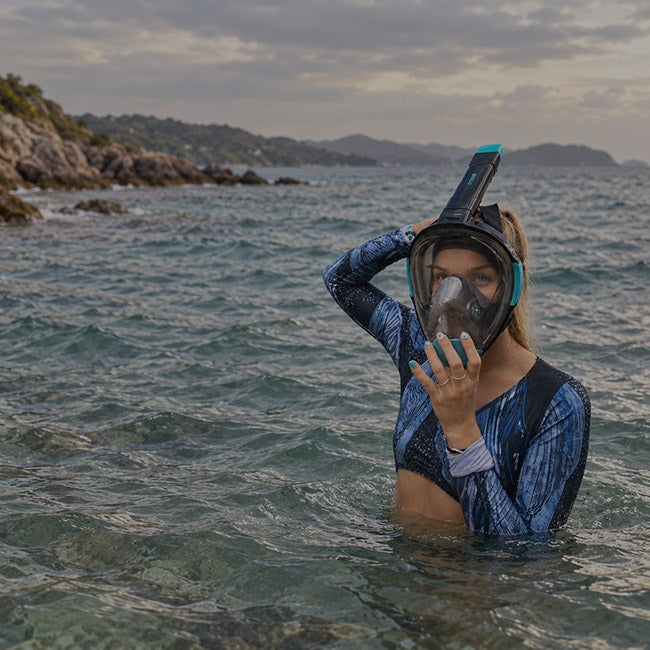
A conventional mask with a separate snorkel and an integrated full face snorkel mask need different handling. Do not buy one design while following instructions written for the other. Full face snorkel masks are for surface snorkeling; they are not for deep diving.
How do you choose a mask that seals?
Choose a mask by the manufacturer's measurements and the way its sealing edge meets your face. A snug strap cannot compensate for the wrong shape. Keep hair clear of the skirt, consider facial hair, and check comfort and seal using the fitting procedure for that exact model before moving to supervised water practice.
Start with the size chart. If it specifies a facial measurement, take that measurement rather than selecting by height, clothing size, or what another family member wears. Age labels alone do not describe face shape.
Check the areas around the temples, nose, cheeks, and chin as appropriate to the design. Pressure on a hard frame, a folded skirt, or a gap that only disappears under heavy strap tension is a reason to reconsider the fit.
Keep the first fitting simple. Move hair away from the seal and avoid trapping a hat strap or other accessory beneath it. Facial hair may interfere with sealing. Do not assume that a product photograph proves the same fit will work on your face.
Dry fitting is a screening step, not proof that the setup is ready for any conditions. Continue with the manufacturer's recommended familiarization in a controlled setting with suitable supervision. If leakage or discomfort persists, seek help with the size or model. Do not keep tightening the strap until the pressure becomes unpleasant.

Which snorkel design is right for you?
Choose a snorkel design you understand and can use comfortably within its intended conditions. Open tubes, splash guards, and dry-top mechanisms manage water differently. No design lets an ordinary snorkeler breathe continuously with the air opening underwater, and no feature removes the need to learn the correct response to water entry or restricted airflow.
An open tube has fewer water-management mechanisms. A splash guard is intended to reduce some splashing into the opening. A dry top uses a closing mechanism, but its presence is not a promise that water cannot enter or that airflow will always feel unrestricted.
Ask how the specific model is cleared, inspected, and attached. A separate snorkel should sit as instructed without pulling the mouthpiece or mask into an awkward position. If holding it comfortably is difficult, get fitting advice rather than biting harder.
An integrated full face design changes the procedure because the mask and breathing arrangement are connected. Learn the manufacturer's removal and inspection instructions for that design. Do not transfer a separate-tube clearing technique to a full face mask.
If breathing feels difficult, stop using the equipment and obtain help as needed. Testing whether you can overcome resistance with stronger breaths is not a sensible fitting method. A dry top is a component to understand and maintain, not a reason to push through discomfort.
Do you need fins in your snorkel set?
Whether fins belong in your purchase depends on the activity provider's advice, the conditions, and your ability to use them. If you choose fins, fit them separately from the mask and check any footwear requirements. Do not assume that a bundled fin size will suit everyone who fits the accompanying mask.
Full-foot and open-heel designs have different fitting requirements. Follow the size chart and confirm whether the model is intended for bare feet, compatible socks, or particular footwear. Adjustable straps do not make an unlimited range of foot shapes comfortable.
Look for pressure across the toes and instep, movement at the heel, and rough contact points. Try the exact arrangement you intend to wear. Adding thick socks after buying a tightly fitted fin changes the available space and should trigger another fitting check.
Blade length and stiffness also deserve attention, but there is no universal “best” configuration for a family. A compact blade may be convenient to pack; that does not establish how it will feel to a particular swimmer. Ask for guidance and try the intended setup in a suitable practice session.
Do not use fin choice to justify entering conditions beyond your ability. If a current or entry looks unsuitable, a different pair of fins does not turn it into a good plan. Discuss the site and the activity with the operator before committing.
How do adult, kids, and travel snorkel sets differ?
Adult, children's, and travel labels describe intended buyers or packing priorities, but they do not replace individual fitting. Compare the actual mask dimensions, snorkel instructions, fin sizes, and user restrictions. A family can choose different configurations for different people while still preparing for the same trip.
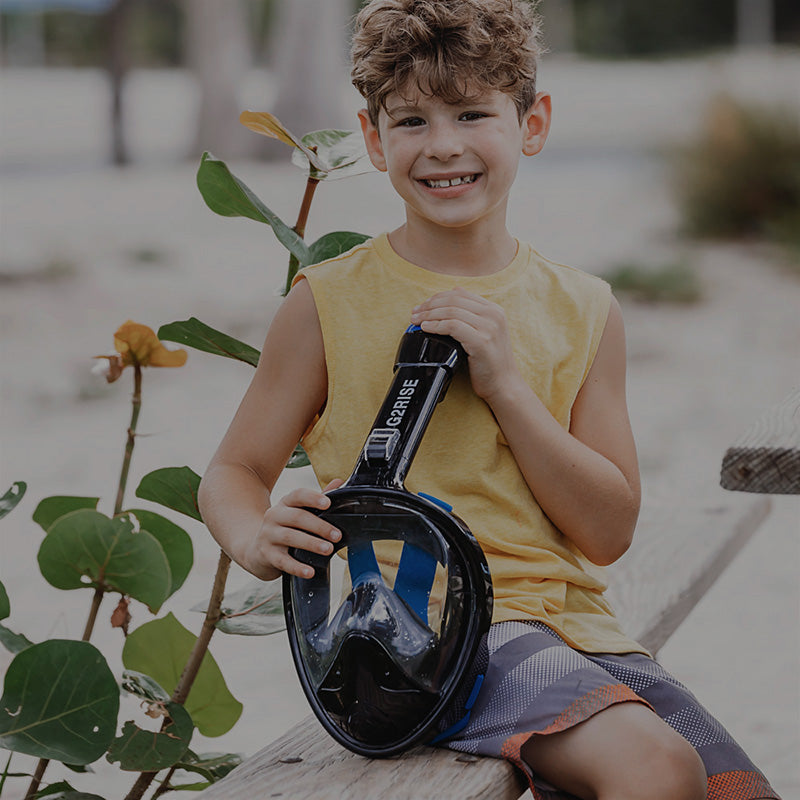
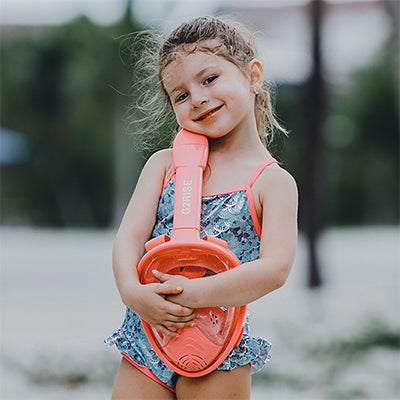
For children, begin with swimming readiness, the activity provider's requirements, and close adult supervision. A smaller mask is not proof that an activity is suitable for a particular child. Equipment is not a flotation device or a substitute for instruction.
Check every component in a children's kit. A mask may fit while the mouthpiece is uncomfortable, or the fins may be too loose. Buying larger gear to grow into can leave it poorly fitted for the trip taking place now.
For adults, consider facial hair, prescription needs, and foot shape rather than assuming one adult size covers the whole household. Glasses should not simply be forced beneath a mask's sealing edge; check the vision options supported by the manufacturer.
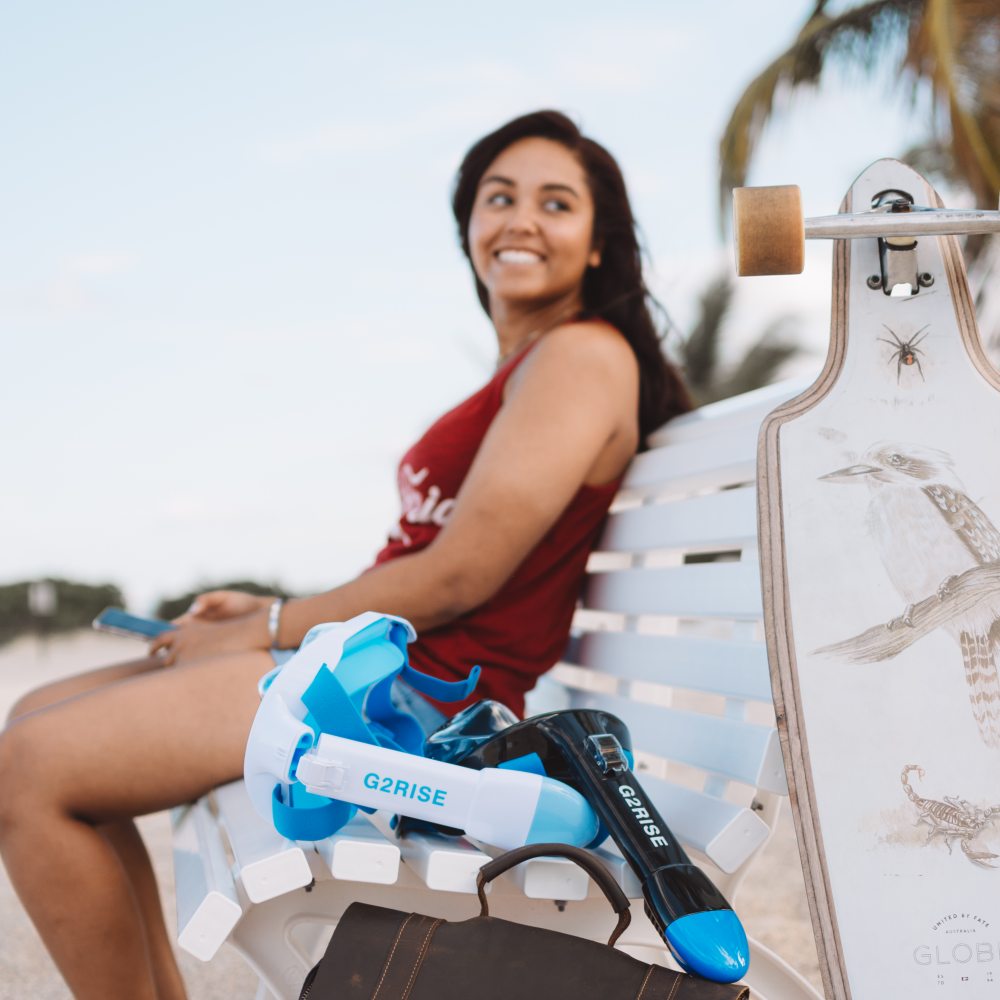
For travel sets, compare the actual packed dimensions with your own luggage and current carrier allowance. “Travel ready” is a useful category, not a guarantee that a particular bag will accept the gear. U.S. Divers' travel collection provides examples of kits marketed around packing needs, but the same individual fitting checks still apply.
How should you test the fit before the trip?
Test the complete setup early enough to address a poor fit: read the instructions, fit each component, practice handling on land, then arrange appropriate supervised familiarization in controlled water. Check comfort, seal, and your ability to stop. A rushed fitting beside a departing boat leaves little room to solve problems.
Lay out the kit and check the delivered sizes against the order. Identify any missing part, visible damage, or instruction sheet that does not match the model. Contact the seller before treating the equipment as ready to use.
Fit the mask without rushing. Practice the correct adjustment and removal procedure. Check that a camera mount or other permitted accessory does not interfere with handling. Leave optional accessories aside during initial familiarization if they make the setup harder to manage.
Try the fins with the intended compatible footwear. Look for obvious pressure or heel movement, then ask the instructor or provider about a suitable water session. Discomfort is information to act on, not a test of determination.
In the practice setting, follow the instructor's plan and remain with appropriate support. Stop for breathing difficulty, persistent leakage, pain, or distress. Record what needs changing while you can still exchange a size or choose another arrangement. Do not label equipment “tested” after a brief dry try-on and assume it will suit every sea condition.

How do you match a snorkel set to your budget and use?
Choose the set whose components fit and suit the planned activity, then compare the overall purchase and support arrangements. A bundle can be convenient when every item works for the wearer. Buying components separately can make more sense when the mask, snorkel, and fins need different sizes or features.
Write down what you already own and can still use. If your mask fits well, replacing it solely to obtain matching fins may add little value. If you are unsure about fit, a seller with clear sizing help and a practical return process may matter more than an extra accessory.
Check maintenance instructions, replacement-part availability, and the terms for trying or returning equipment. Confirm those terms with the seller rather than assuming that in-water use is accepted under every return policy.
For a family surface trip, G2RISE's equipment collection can be part of your comparison. Review the current product contents and sizing individually; do not assume that a specific kit includes fins, prescription inserts, or every accessory shown elsewhere on the site.
The useful purchase is the one you can pack, fit, understand, and practice with before the trip. Make a separate line for each person on the checklist. When the gear fits the people rather than the people fitting the bundle, preparation becomes much more straightforward.


Leave a comment
This site is protected by hCaptcha and the hCaptcha Privacy Policy and Terms of Service apply.