

A good Curaçao holiday can include a look beneath the surface without becoming a race around the island's beaches. You might spend part of a day by the water, share a long lunch, and leave the afternoon open. That can be enough.
For families researching snorkeling in Curacao, Tugboat is a useful place to investigate. Its appeal is specific: a small wreck near Caracasbaai that can be observed from the surface when conditions and visibility allow. Whether a visit fits your group depends on the access, local guidance, and everyone's abilities.
This is a guide to shaping that outing, with room for people who prefer the shore and for plans that change.

How Can Snorkeling in Curacao Shape a Family Island Break?
Build snorkeling in Curaçao into a wider island day rather than making every hour depend on time in the water. Pick a manageable area, check how it fits your accommodation and transport, and leave space for meals and rest. A single suitable outing can be more satisfying than several hurried beach stops.
Start with the people traveling together. Is everyone comfortable swimming? Does anyone need assistance with access? Would some family members rather enjoy the coast from land? Those answers should shape the itinerary before you choose an operator or a beach.
Next, decide what kind of day you want. A guided activity with a defined meeting point is different from spending time at a beach with the possibility of snorkeling. Neither is a complete plan until you understand the practical arrangements.
Keep your ambitions local to the outing. A destination guide may list beaches all over the island, but that doesn't mean they fit together comfortably in one family day. Choose one main water activity and let everything else remain optional.
Use a map to understand the journey, then ask a current local source about the route and transport. Don't turn an estimated travel time into a tight appointment.
The most helpful question is often simple: if we decide not to enter the water, will we still enjoy being here? A good family itinerary has an answer that doesn't require immediately finding another tour.
What Can Surface Snorkelers Research About Tugboat?
Surface snorkelers can research Tugboat as a place to observe a submerged wreck from above, subject to local conditions and suitable access. The wreck's depth isn't a recommended diving depth or a swimming route. Keep the experience at the surface and ask a qualified local provider whether the visit suits your family.
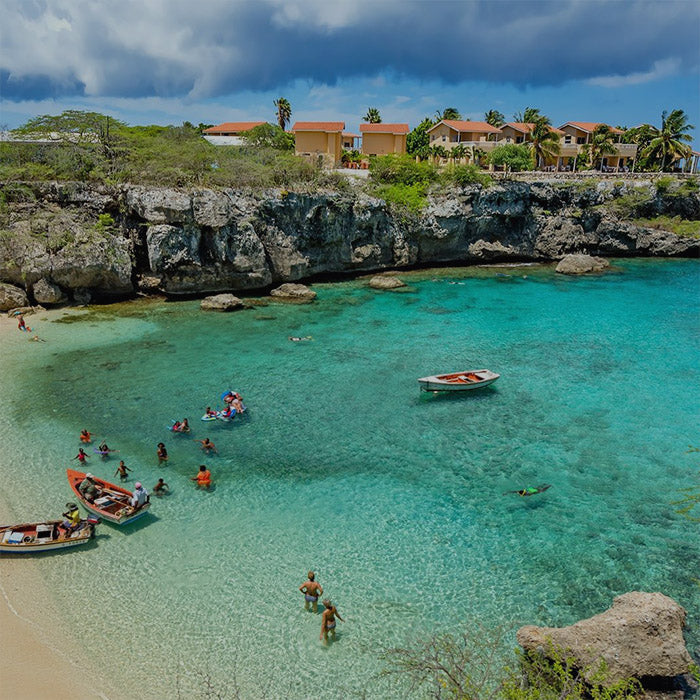
The Curaçao Tourist Board's Tugboat page locates it near Caracasbaai and gives the wreck's depth as about 5 meters, or 16 feet. That fact describes where the object rests; it doesn't guarantee visibility from above on the day you visit.
Children may imagine they need to swim down to see anything worthwhile. Set a different expectation before arrival: the activity is a look from the surface, not an attempt to reach the boat, explore an opening, or retrieve something.
Ask the local provider where the designated activity takes place, how the group reaches it, and how they manage access and other water users. Don't infer an entry route from a photograph or follow another group without understanding its arrangements.
The tourism board describes marine life around the wreck. Treat that as background, not a promise to find a particular animal. A changing pattern of light or an ordinary fish moving across the scene can be interesting enough.
If the conditions aren't appropriate for a surface visit, don't try to recreate the photograph by changing the activity. There should always be a reasonable option to remain ashore or choose something else.
How Should You Compare Beach Access and Guided Outings?
Compare beach access and guided outings by looking at the full experience: getting there, reaching the water, supervision, the route, and returning. A nearby shoreline doesn't make a visit self-explanatory, and a tour label doesn't settle its suitability. Choose the arrangement whose requirements and support match your family's actual needs.
For a beach-based visit, find out which access is intended for visitors and whether any permissions, charges, or booking arrangements apply. Confirm the practical details with the relevant provider instead of assuming every shoreline has the same setup.
For a guided outing, ask where the guide meets you and whether transport is included. Check if the activity uses a boat, begins from shore, or combines the two. Those differences can matter to someone who dislikes ladders or needs a straightforward return.
Then ask what happens if a participant wants to stop. Can they return promptly? Who accompanies them? What is the plan for a child who decides against entering? Clear answers matter more than an impressive list of possible sightings.
A small comparison card can keep your research useful:
- How do we reach the meeting place?
- What swimming ability is required?
- How do we enter and leave the water?
- What can non-participants do?
- What changes if the conditions aren't suitable?
Don't choose an arrangement simply because another family recommends it. Their abilities, expectations, and conditions may have been different. Use their experience to identify questions, then get current answers for your own visit.

Where Should Rest and Time Ashore Fit Into the Day?
Put rest and time ashore into the itinerary before adding another water activity. Choose a meal or land-based stop that fits the same part of the island and your family's energy. Leave enough flexibility for the snorkeling portion to be shorter, different, or unnecessary without making the afternoon feel like a problem.
A loose sequence works better than a chain of appointments. Travel to the area, confirm the local arrangements, take part only if the plan fits, then regroup for food or a break. Treat that as an example of a routine, not a timetable for a particular operator.
If you're considering a visit to Willemstad during the same day, check the journey and what you want to do there separately. Don't assume that because two places appear in the same destination article they are convenient consecutive stops for every family.
Ask the people staying dry what would make the outing enjoyable for them. They may prefer a comfortable place to sit, a meal together afterward, or a shorter overall visit. Build that preference into the plan before everyone leaves the accommodation.
Keep your lunch arrangements realistic. If you need a particular service, check its current hours. Otherwise, leave yourself a simple alternative rather than making the whole day depend on one venue being available.
It's fine if the family chooses to stop after lunch. A holiday doesn't become better just because everyone has completed another activity. Sometimes the right afternoon plan is no further plan at all.
What Should You Ask a Local Operator Before Taking the Family?
Tell a prospective local operator about your family's swimming experience, ages, access needs, and intended participation before booking. Ask how their specific outing works and what equipment they accept. A useful response explains the arrangements in practical terms, including what happens when someone opts out or conditions require a change.
Start with the less confident participant. Describe their experience honestly rather than relying on the word “beginner.” Someone who swims comfortably but has never used a snorkel has different needs from someone uncomfortable in open water.
Ask about supervision and the group's format. Will a guide be in the water? How do participants communicate? How is the group kept together? What assistance can the crew or guide provide, and what are their limits?
Personal equipment needs its own question. Confirm whether your mask type is accepted before packing around it. A provider's equipment rule is separate from whether the product fits you or is suitable for its intended use.
Clarify arrangements for companions who don't snorkel. Do they need to book? Where can they wait? Can the booking accommodate someone changing their mind? Don't assume a boat seat or beach service includes childcare.
Keep essential answers with the booking confirmation. If a term or instruction remains unclear, resolve it before the day. It should be easy for everyone in the family to explain where they're going, what they're doing, and how they'll get back.
Which Conditions, Access Details, and Wildlife Rules Need Rechecking?
Recheck the site's operating arrangements, current water conditions, accepted access, and local wildlife guidance close to your visit. Use the relevant operator or authority for information that could change the plan. A description of the destination's attractions doesn't establish today's visibility, opening arrangements, or suitability for your group.
Conditions are not a reward for choosing the right month or arriving at a supposedly perfect hour. Ask locally, follow the operator's directions, and avoid treating a broad seasonal description as a guarantee for a specific visit.
Access can also have several parts. Confirm where visitors may park or be dropped off, where the activity begins, and how you'll return. If a service is essential for someone in the family, check it directly rather than relying on a review.
For wildlife, set expectations around observation. Don't arrange the outing around a guaranteed turtle or another specific animal. Ask the guide how to watch respectfully and follow the rules at that site.
Keep the same approach around the wreck. The interest is in seeing the setting from above. Don't touch, enter, or try to reach it, and don't let a disappointing view become a reason to change a surface activity into a descent.
For a broader introduction to respectful observation, our snorkeling etiquette article is useful background. Local instructions still govern the actual visit, and they may be more specific than a general guide.

How Can You Prepare for a Shared First Look From the Surface?
Prepare by making the outing familiar before you travel: understand the route, check suitable equipment, and agree that staying ashore is acceptable. Keep the goal to a shared experience rather than a photograph everyone must recreate. A family can come away with different memories while still enjoying the same day together.
Talk about the scene in simple terms. You're going to a coastal area, checking whether the plan fits the day, and possibly looking down from the surface with appropriate guidance. There's no need to promise close encounters or a dramatic view.
Check fit well before departure using the relevant product instructions and size chart. Our mask-fit guide can help with that preparation. Any practice should take place in an appropriate supervised setting, and a mask doesn't replace swimming ability.
After the activity, ask what each person noticed. Someone may remember a fish; another may remember the ride, the coastline, or lunch. You don't need identical experiences for the day to feel shared.
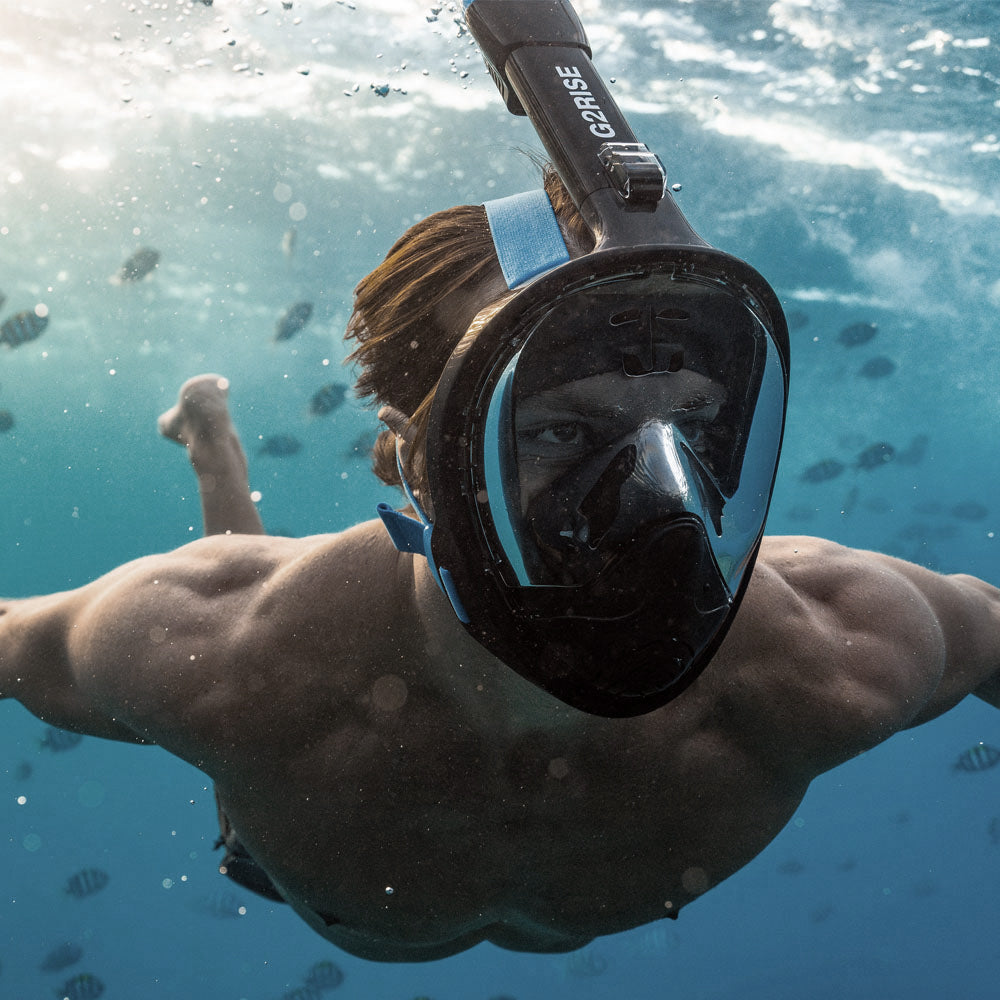
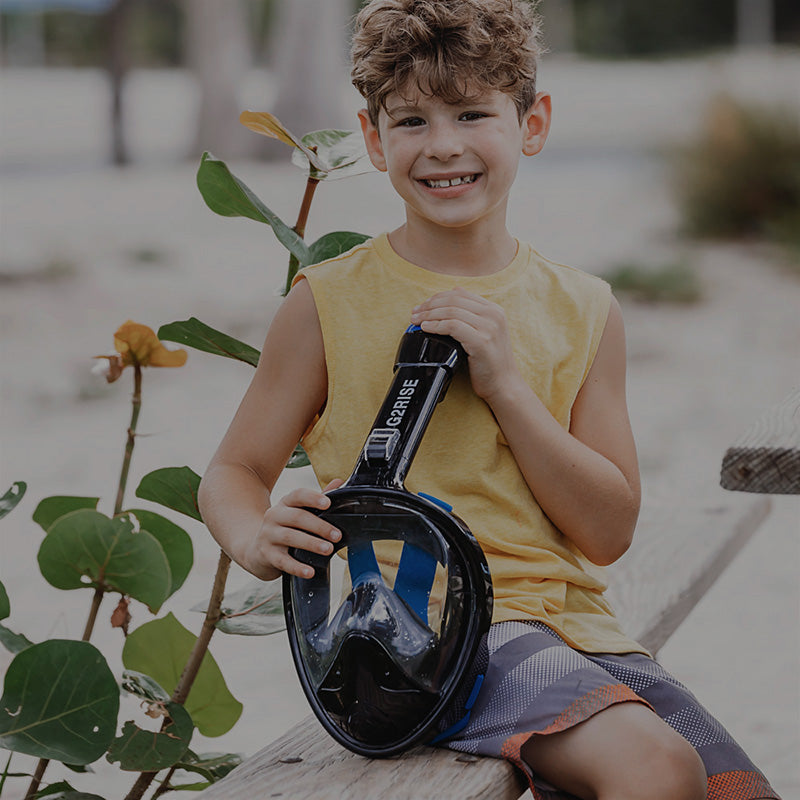
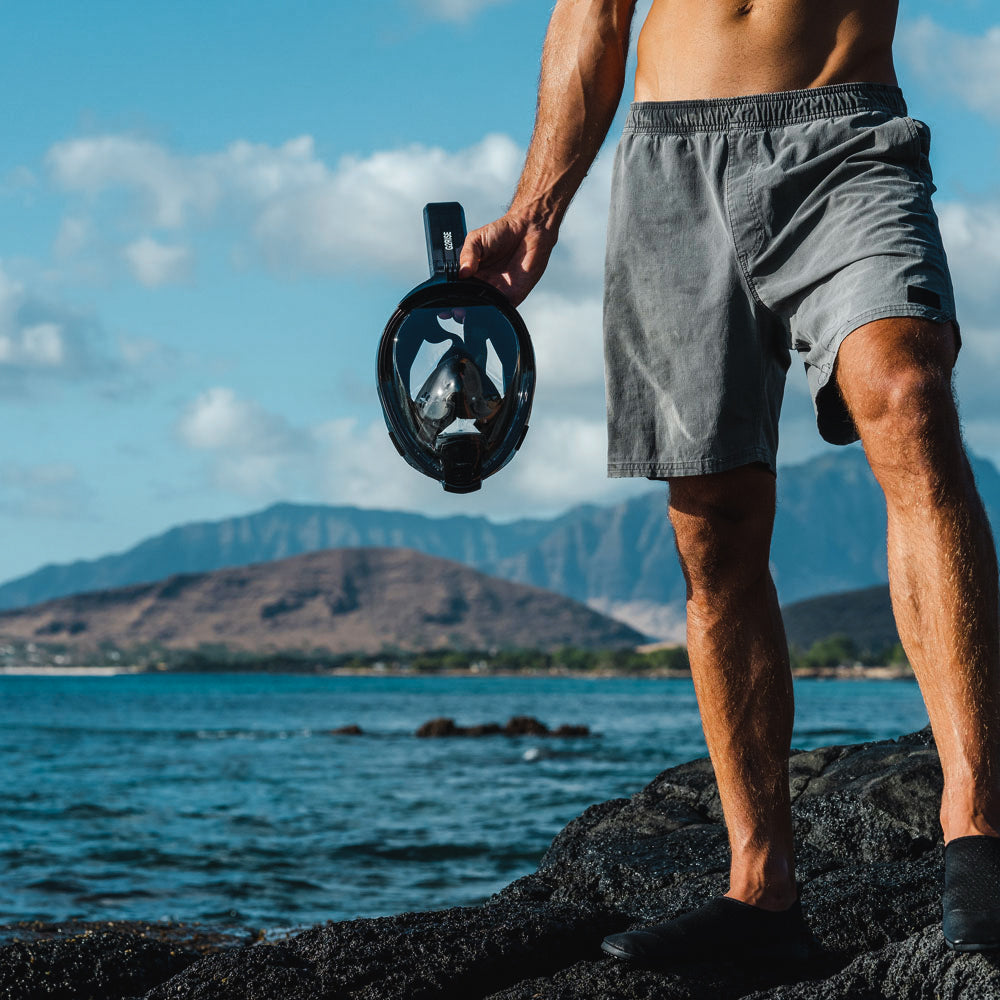
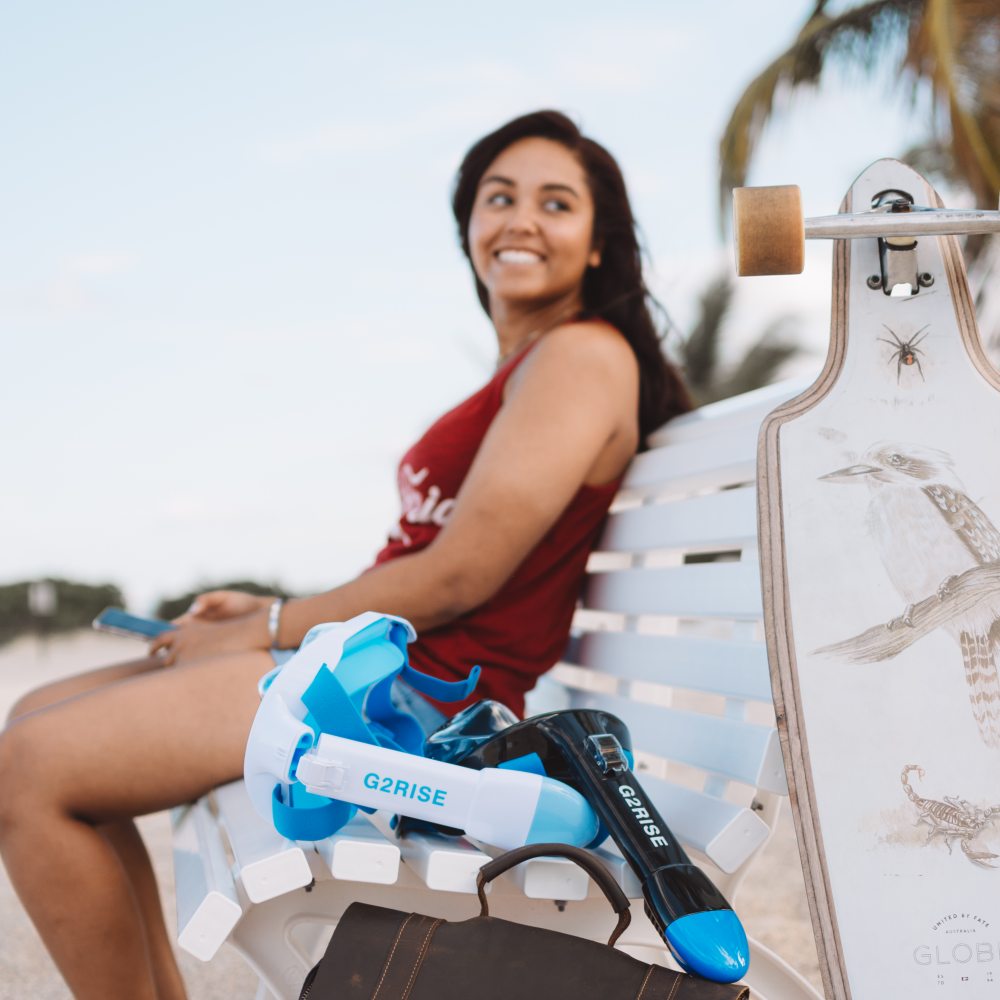
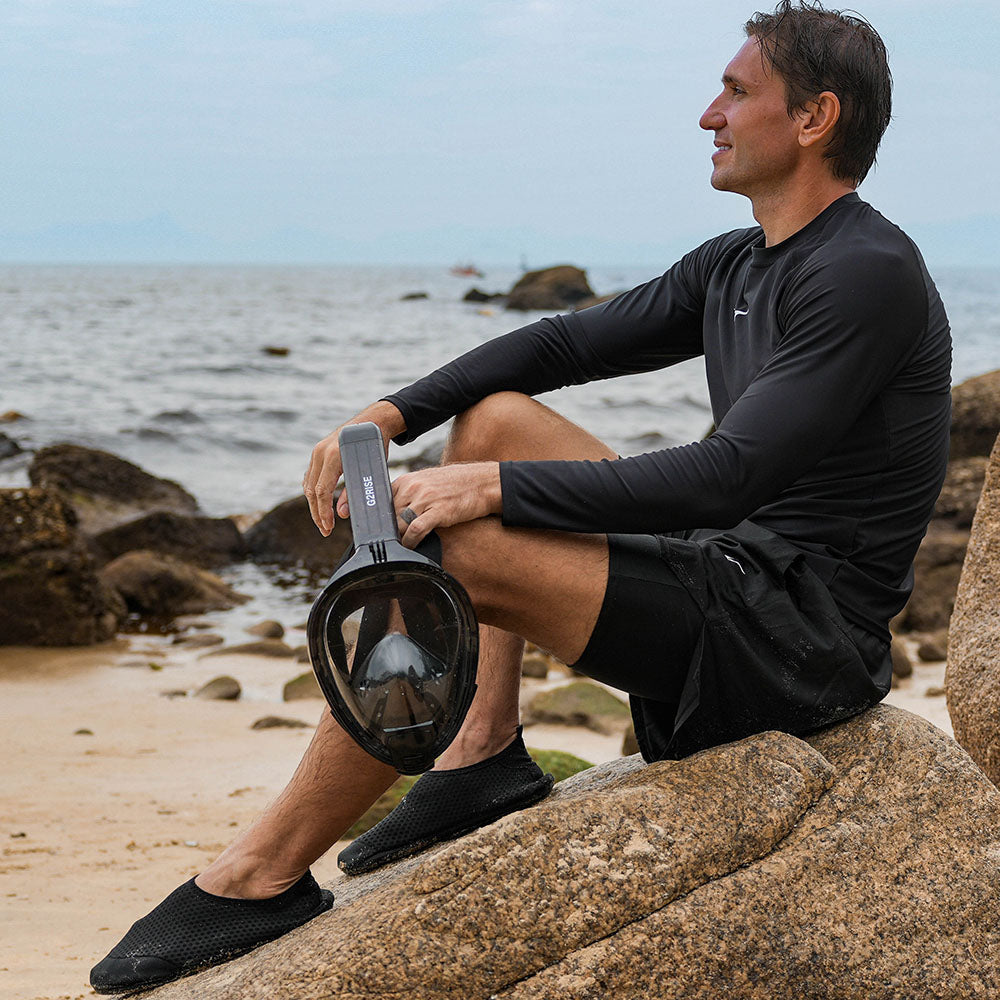
If suitable surface snorkeling is part of your plans, G2RISE snorkeling gear can be part of preparing together. Follow sizing and use instructions and confirm the operator's equipment policy. Full-face snorkel masks are not for breath-hold diving or wreck exploration, and they provide neither flotation nor a substitute for supervision.
Leave Curaçao with a memory of the island and the people beside you. That matters more than completing every stop on somebody else's list.

Leave a comment
This site is protected by hCaptcha and the hCaptcha Privacy Policy and Terms of Service apply.