
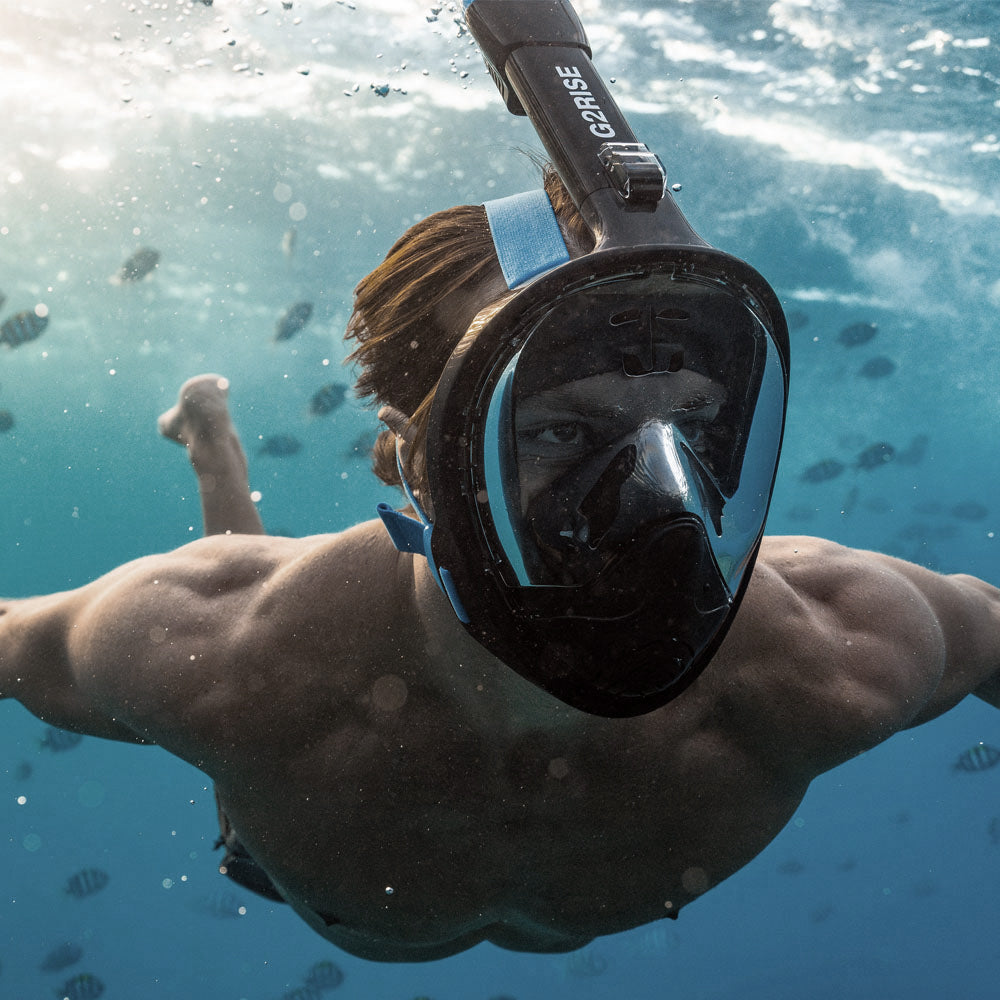
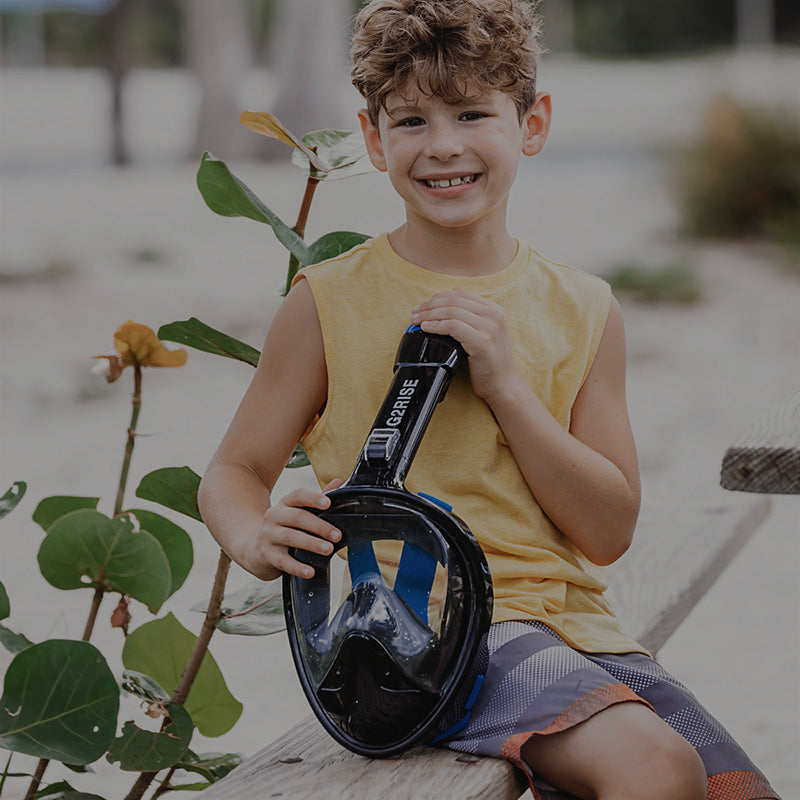
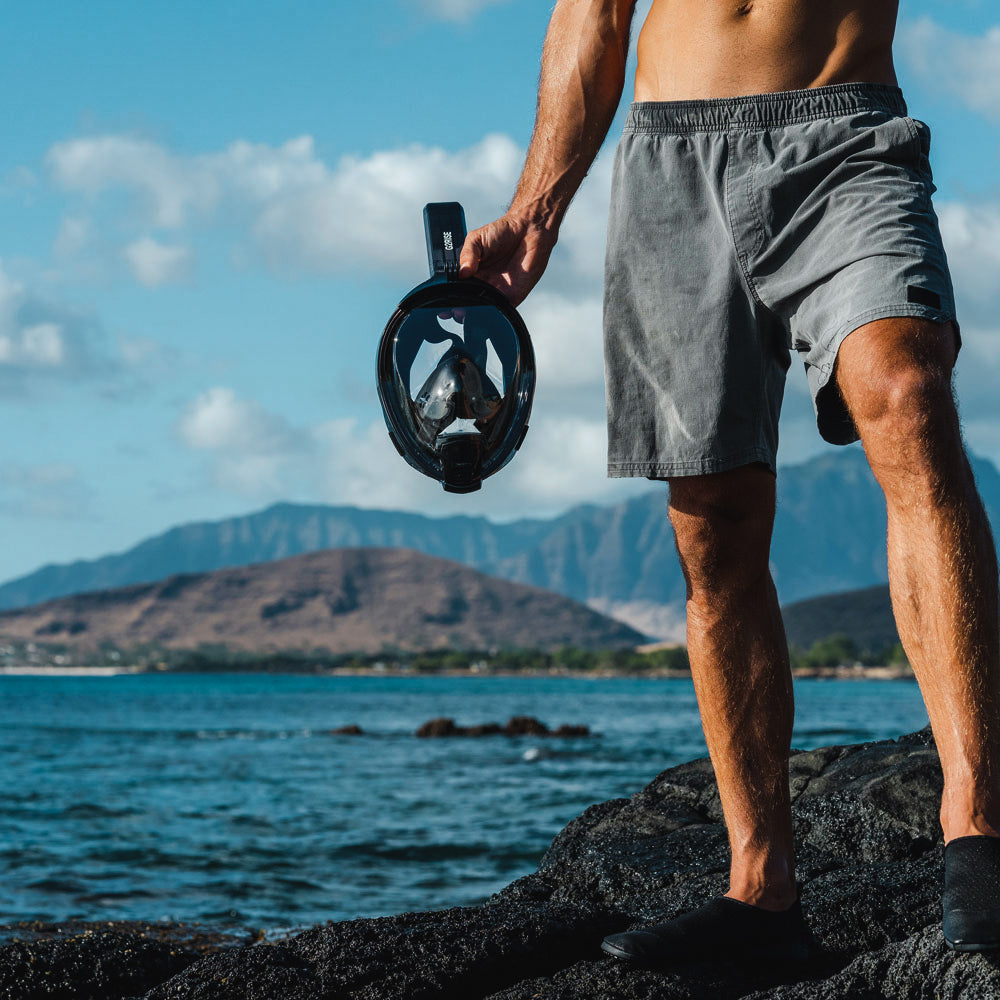
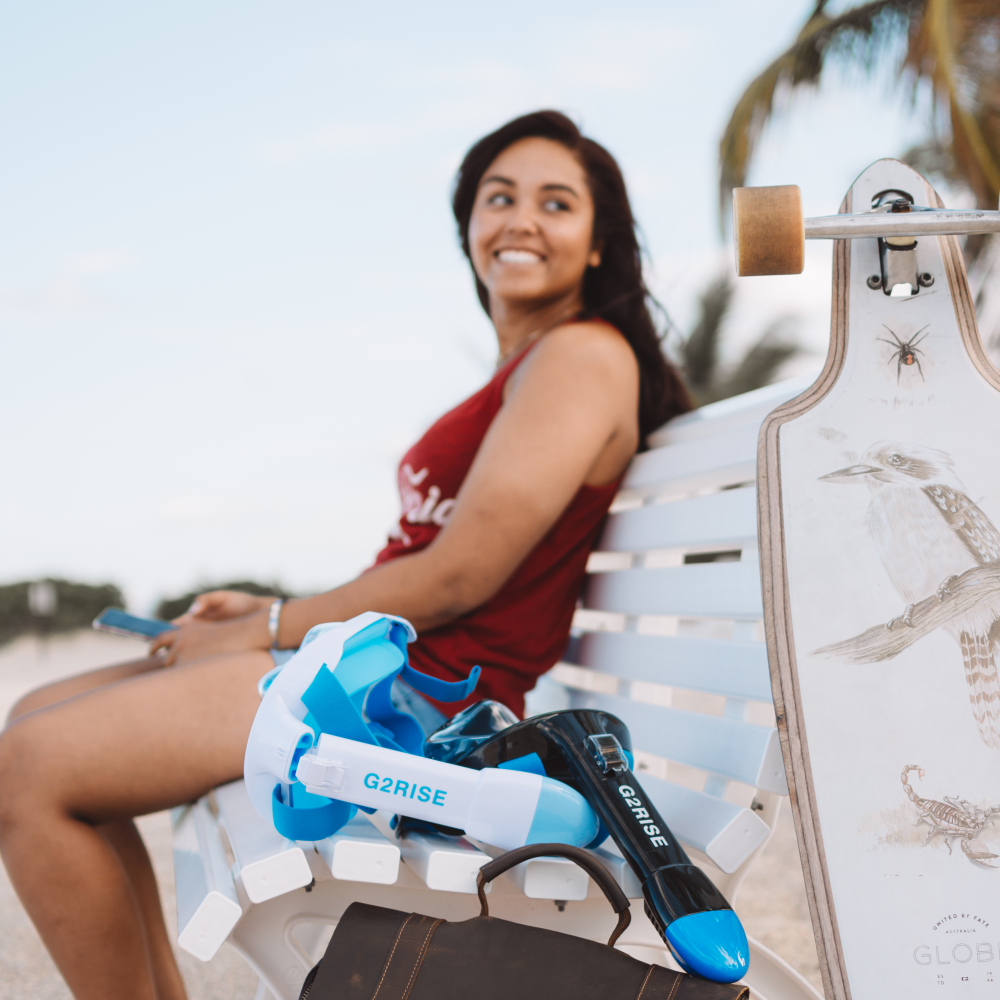
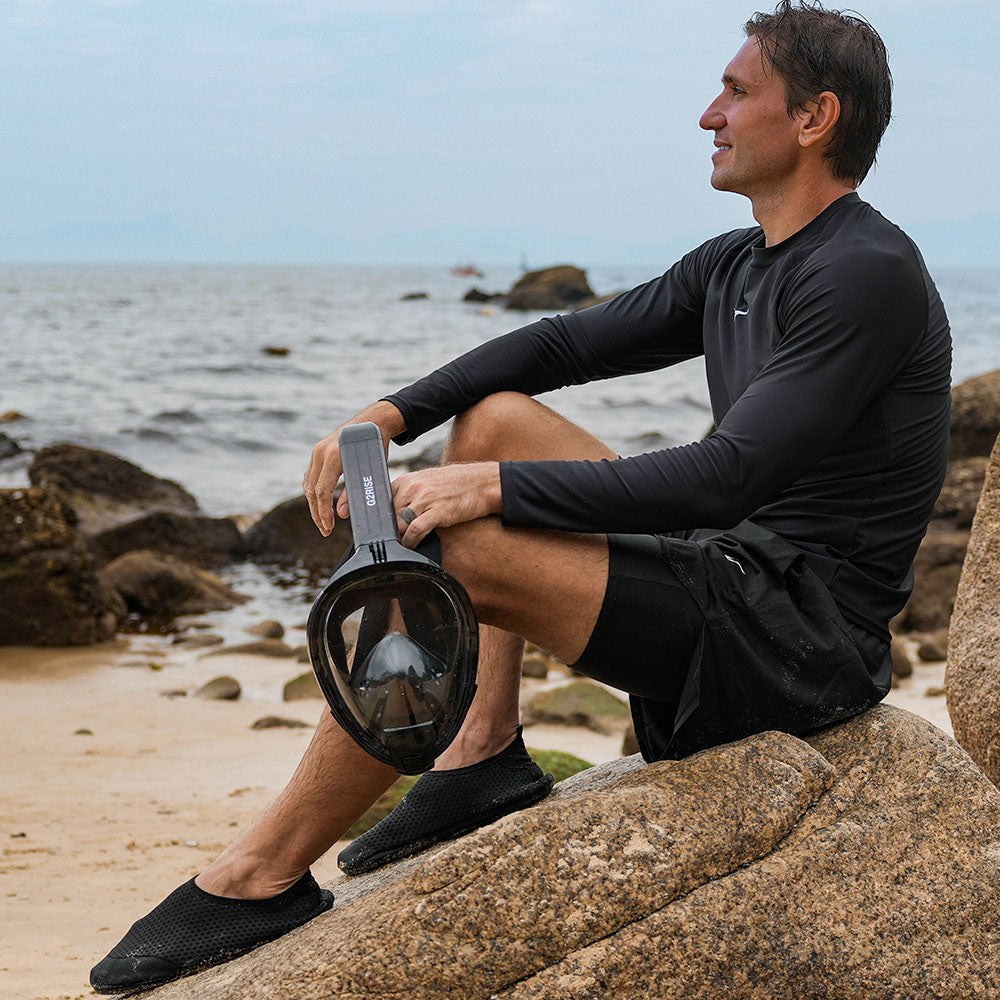
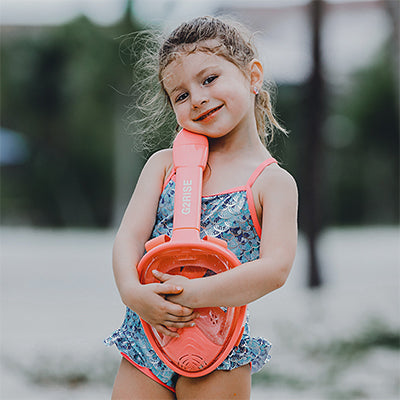
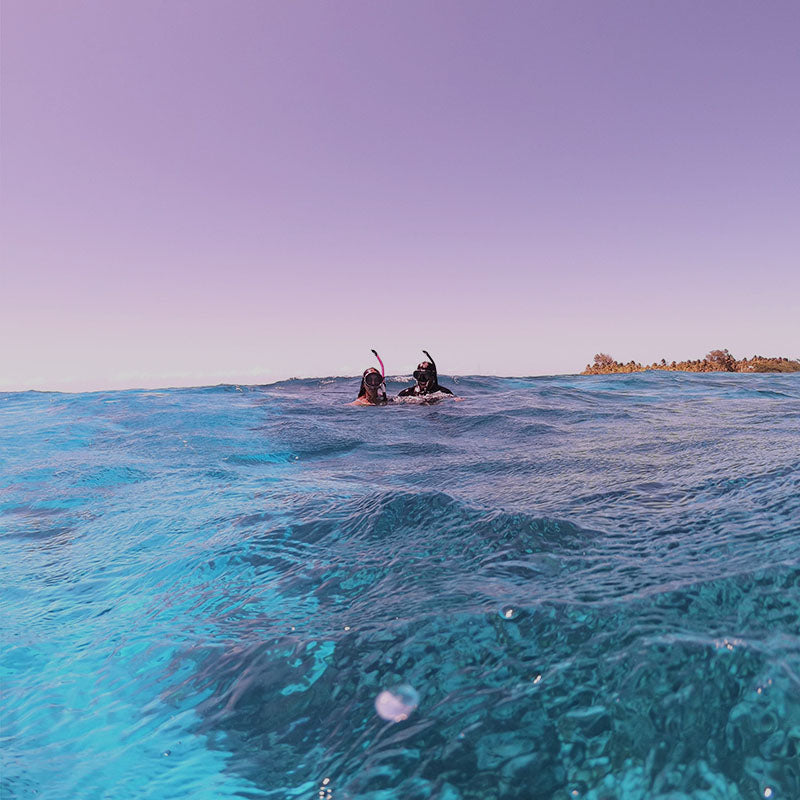
Most people buy snorkel gear wrong. They either rent everything at the destination—and end up with ill-fitting equipment that leaks and ruins the experience—or they show up with a full dive kit that takes up half their suitcase. Neither extreme makes sense for a travel snorkeler. The sweet spot is a compact, quality setup you own and know fits you, that packs down small enough to check or carry on. Here's how to put that kit together.

Should You Bring Your Own Gear or Rent?
Bring your own. This is the single most consistent piece of advice from professional snorkeling guides and expedition naturalists: rental gear is a crapshoot. You don't know how it fits until you're already in the water. You don't know when it was last serviced. Masks that fit one face shape may not work on yours at all, and fixing a leaky mask rental on a 3-hour catamaran tour with 40 other people is not the snorkeling experience you paid for.
The counterargument is weight and bulk. Fair. That's why this guide focuses specifically on travel-optimized gear—stuff that's genuinely compact, not just smaller than the dive shop's rental pile. The Oceanic Society's team, whose members spend weeks per year in the water, explicitly recommends bringing your own snorkel gear on every expedition: "The risk of spoiling your once-in-a-lifetime experience with uncomfortable or faulty gear is not worth taking."
One practical compromise: always bring your own mask. Mask fit is personal—your face is yours—and a leaking mask makes snorkeling nearly impossible. For fins and wetsuits, renting is more defensible since sizing is more forgiving and they're harder to pack. Bring your own mask and snorkel at minimum, rent fins if you must.
What Snorkel Mask Should You Pack for Travel?
The best travel snorkel mask is the one that seals well on your face. That's not a cop-out; it's the actual answer. No mask is "the best" universally because face shapes vary too much. What to optimize for when traveling specifically:
- Frameless designs pack significantly smaller than framed masks because the silicone skirt is bonded directly to the lens without a rigid external frame. The same lens, much less volume when you fold it.
- Low-volume masks have less air space between the lens and your face. They equalize more easily if you dive down, and they're typically smaller overall.
- Tempered glass lenses are non-negotiable. Plastic lenses scratch easily and distort vision. Tempered glass is clearer, more durable, and safer if it breaks (shatters into dull fragments rather than shards).
- Split straps don't pack differently but are worth having if you have longer hair—they prevent the strap from getting tangled in ponytails or buns, which becomes genuinely annoying over a week-long trip.
Before you travel, test your mask at home. Run the seal test: place it on your face without the strap, inhale through your nose, let go. It should stay on your face. If it doesn't, it will leak in the ocean. Do this at home, not at your destination.
Which Snorkel Type Is Best for Travel?
Simpler is better. The J-snorkel—a J-shaped tube with a mouthpiece, nothing else—is what most serious snorkelers and dive guides use. It packs flat, weighs almost nothing, and is trivially easy to clear if water gets in: you blow out sharply and the water ejects from the open bottom.
Dry-top snorkels add a float valve that closes when the snorkel submerges, keeping water out automatically. They're genuinely useful for beginners or surface swimmers who get caught by waves. The tradeoff is slightly more bulk and one more mechanism that can eventually fail.
Semi-dry snorkels are a reasonable middle ground: a splash guard deflects surface water but the tube isn't sealed, so you still need to clear occasionally. Good for choppy surface conditions where waves might splash into the top.
What to avoid: snorkels with flex tubes that crinkle and develop leaks, complex multi-stage purge valves, or multiple moving parts in the valve mechanism. Less moving parts = longer life = more reliable when you need it.

Do You Need Fins for Snorkeling on Vacation?
Yes, and packing them is less painful than most people expect. Fins are genuinely important once you're snorkeling in open water—they let you cover distance with minimal effort, hold position against mild currents, and maneuver to follow marine life without exhausting your arms. The Oceanic Society's guides are direct on this point: don't leave them behind.
For travel, the choice is between full-foot fins and open-heel fins. Full-foot fins fit like a shoe and don't require booties—they're lighter and pack smaller. Open-heel fins have an adjustable strap and work with neoprene booties, making sizing more flexible if you're sharing gear or unsure about your size. Full-foot fins are generally the better travel choice: smaller, lighter, no accessories required.
Short snorkeling fins (around 18–22 inches) are specifically designed for surface snorkeling rather than freediving. They're much easier to fit in a bag than long freediving blades and provide ample propulsion for recreational use. A short fin in a day pack barely registers.
If you decide not to bring fins, at minimum pack neoprene fin socks. Rental fins can blister bare feet badly over multiple sessions. A $15 pair of neoprene socks prevents that problem entirely and takes up almost no space.
What Wetsuit or Sun Protection Do You Need?
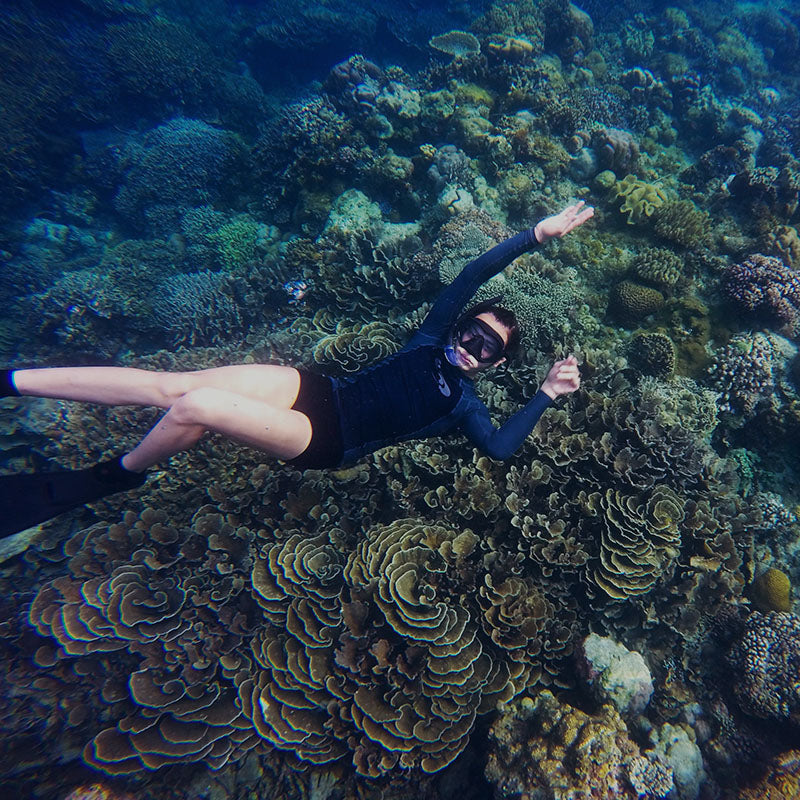
For warm-water destinations (water above 80°F/27°C—Hawaii, Caribbean, Southeast Asia), you don't need a wetsuit. What you do need is sun protection. This is the most underestimated piece of the travel snorkel kit, and the one most people skip entirely.
When you're face-down in the water, your back, shoulders, and the backs of your legs are getting continuous direct sun exposure. An hour of snorkeling in tropical conditions can cause a severe burn on the parts of your body that were underwater the whole time. You don't feel it until you're already burned.
Options in order of effectiveness:
- Full-body rash guard + UV swim pants: The best sun protection with zero reapplication needed and zero harm to the reef. A long-sleeve UPF 50 rash guard with matching pants covers most exposed skin. Many are thin enough to snorkel and swim in comfortably.
- 1–2mm dive skin or full-body sun suit: Essentially a thin wetsuit without insulation. Reef-friendly, covers everything, and adds a minor bit of warmth for cooler tropical water.
- Mineral sunscreen on exposed areas: Use for whatever the rash guard doesn't cover—face, hands, feet. Look for zinc oxide-based formulas. Chemical sunscreen ingredients (oxybenzone, octinoxate) are harmful to coral reefs and banned in several popular snorkeling destinations including Hawaii, Palau, and parts of Mexico. If you're going anywhere with coral, bring reef-safe sunscreen. Apply 30 minutes before entering the water.
For slightly cooler water (71–79°F / 22–26°C)—think Baja California, Galapagos, Mediterranean spring—a 3/2mm wetsuit provides solid thermal retention while staying flexible enough to snorkel comfortably. Wetsuits are harder to pack but fold down more than most people expect. A quality 3/2mm can fit in a large packing cube.
What About Underwater Cameras?
An underwater camera is the accessory that elevates a snorkel trip from "I saw amazing things and can't quite describe them" to "I can show you exactly what I saw." But it's only worth it if you're comfortable enough in the water that photography doesn't take over from actually snorkeling.
For travel snorkelers who want simple and reliable, the GoPro HERO series is the most common choice: compact, rugged, widely available accessories, easy to mount. For still photography (not just video), the Olympus TG-7 is consistently recommended by underwater photographers—it shoots RAW, has a proper macro mode for coral detail shots, and is waterproof to 50 feet without housing. The DJI Action series is another solid choice if you're already in the DJI ecosystem.
One piece of practical advice from guides who do this professionally: take short clips (10–15 seconds) rather than long continuous footage. You'll actually watch short clips. You'll never edit the 40-minute GoPro file.
Packing It All: What Fits in a Carry-On?
A compact snorkel kit—mask, snorkel, short fins, rash guard, reef-safe sunscreen—fits in a standard carry-on without issue. Here's how it stacks up:
- Frameless mask: roughly the size of a thick paperback book
- J-snorkel or compact dry-top: rolls up, fits in a side pocket
- Short fins: 18–20 inches long, stack flat at the bottom of a bag
- Rash guard top: compresses to roughly the size of a T-shirt
- UV swim pants: folds small, similar to board shorts
The one thing that does take more space is a wetsuit. If you need one, it generally needs to be checked or worn on the plane (not as ridiculous as it sounds on a cold-weather departure). Alternatively, many snorkel destinations have rental wetsuits in reliable sizes—this is one category where renting is genuinely defensible.
A mesh dry bag is worth adding to the list. It's a simple bag that lets water drain out—great for storing wet gear on a boat deck or during surface intervals. Keeps your other bag dry and gives sandy items somewhere to go that isn't inside your luggage.
The Travel Snorkel Kit Checklist
- Snorkel mask (your fit, tested at home)
- Dry-top or J-snorkel
- Short snorkeling fins (or neoprene fin socks as backup for rentals)
- Long-sleeve UPF rash guard + UV swim pants
- Mineral/reef-safe sunscreen (zinc oxide)
- Mesh or dry bag for wet gear
- Mask defogger or travel toothpaste (for new masks)
- Underwater camera (optional, but worth it)
G2RISE's travel snorkel sets are built around exactly this checklist—compact enough for carry-on, quality sufficient to use across multiple trips. The SN01 mask-and-snorkel combo pairs a frameless, low-volume mask with a dry-top snorkel and includes a travel bag that holds the whole setup. If you're equipping yourself or your family for a first real snorkeling trip, it's a cleaner starting point than sourcing each component separately and hoping they work together.

Final Thought: Own the Right Gear
The economics of snorkel gear make more sense than most people assume. A quality mask and snorkel set that fits you properly costs roughly $50–$120 and can last 5–10 years with basic care. Rental gear on a week-long trip runs $10–$20 per day per person, often more on organized tours. Do the math on your second or third snorkeling vacation and owning wins every time—plus you get the experience you paid for rather than whatever happened to fit that day at the rental booth.

Leave a comment
This site is protected by hCaptcha and the hCaptcha Privacy Policy and Terms of Service apply.