
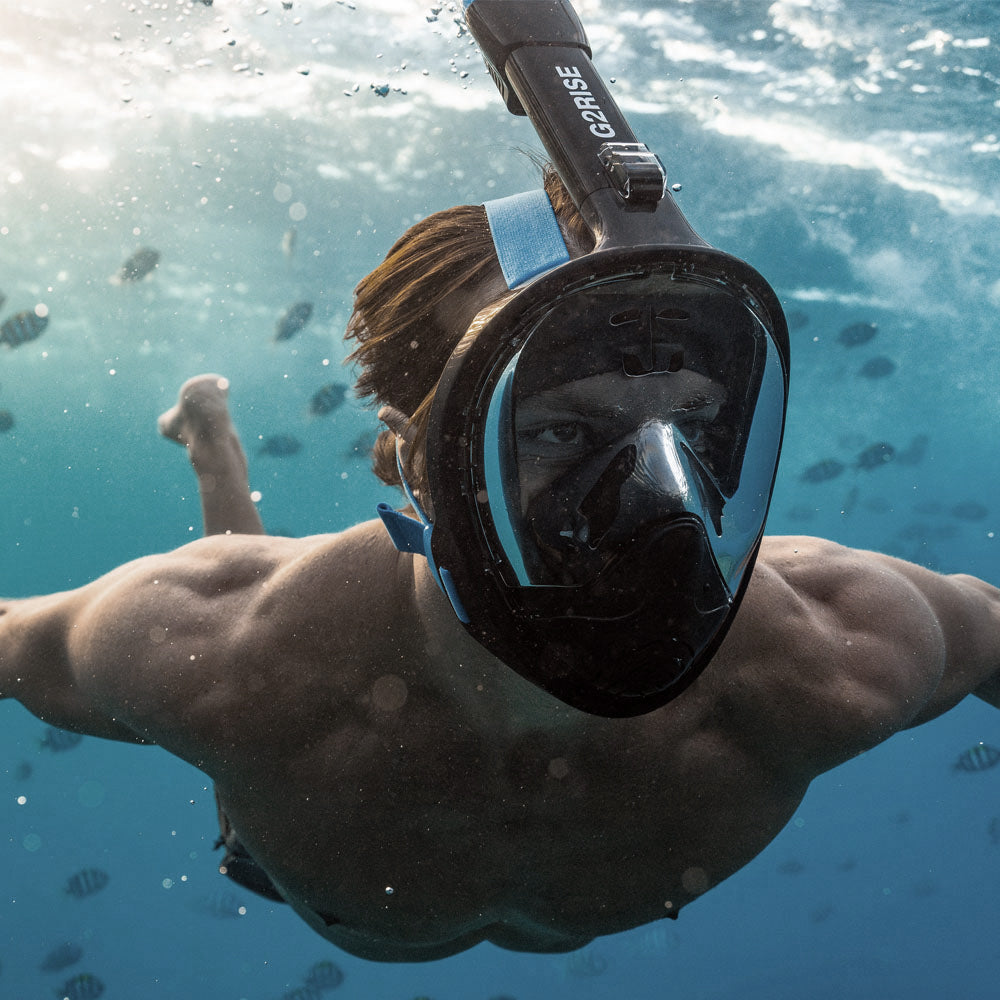
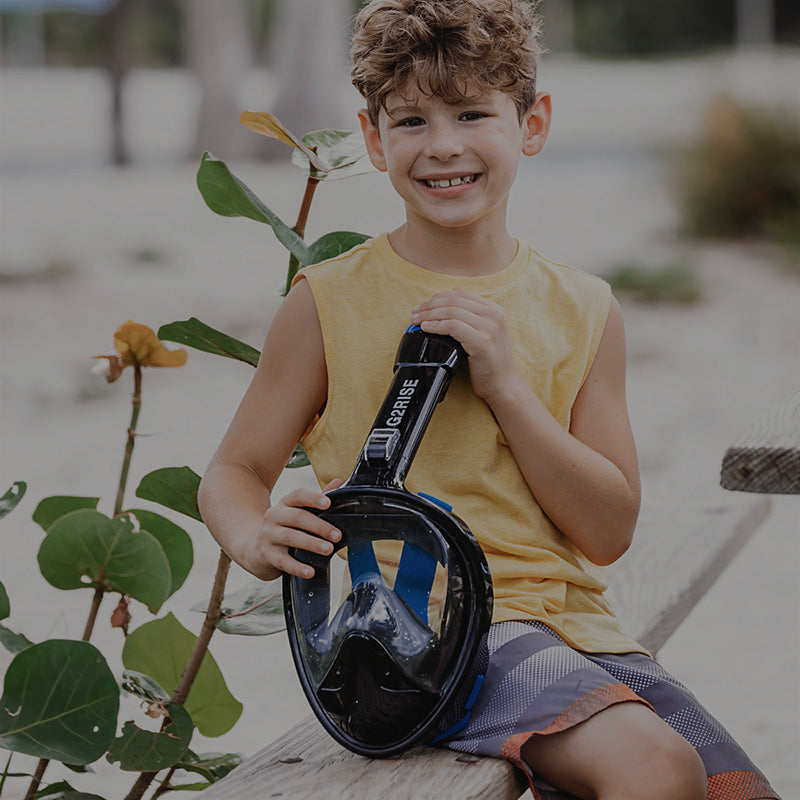
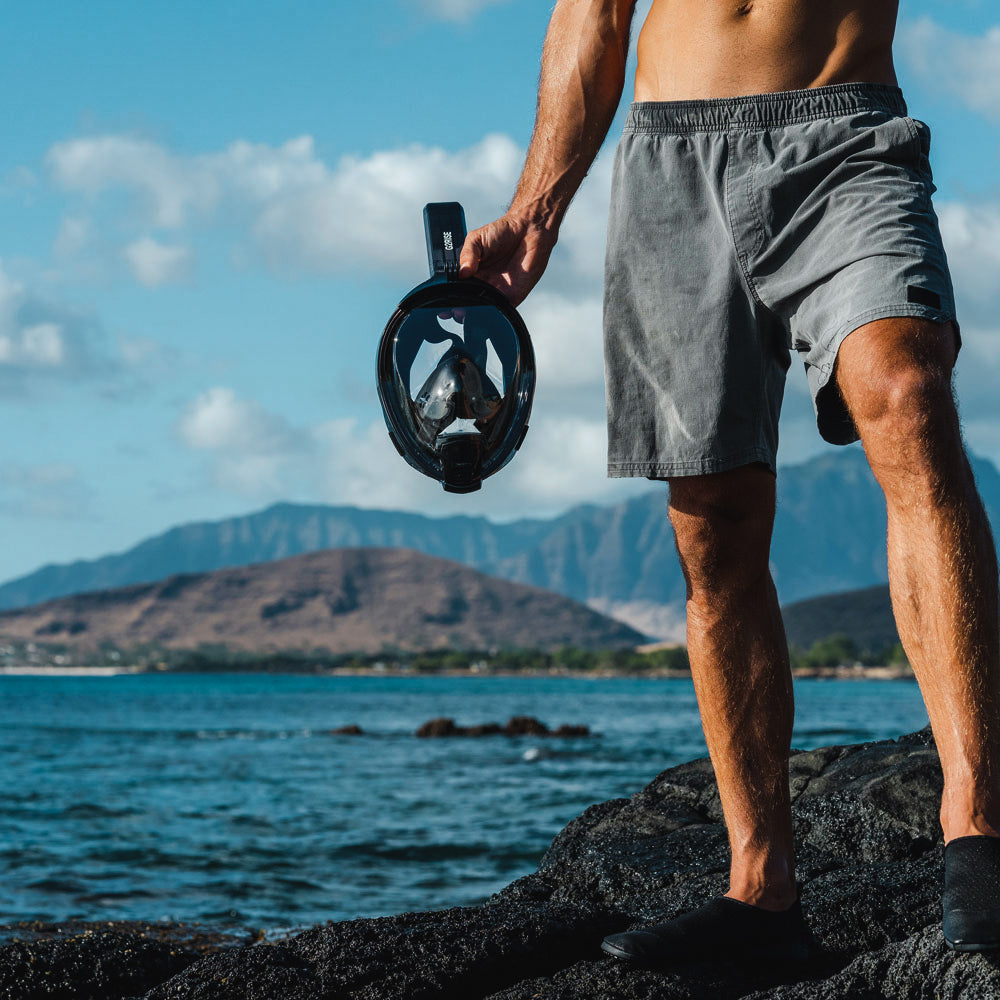
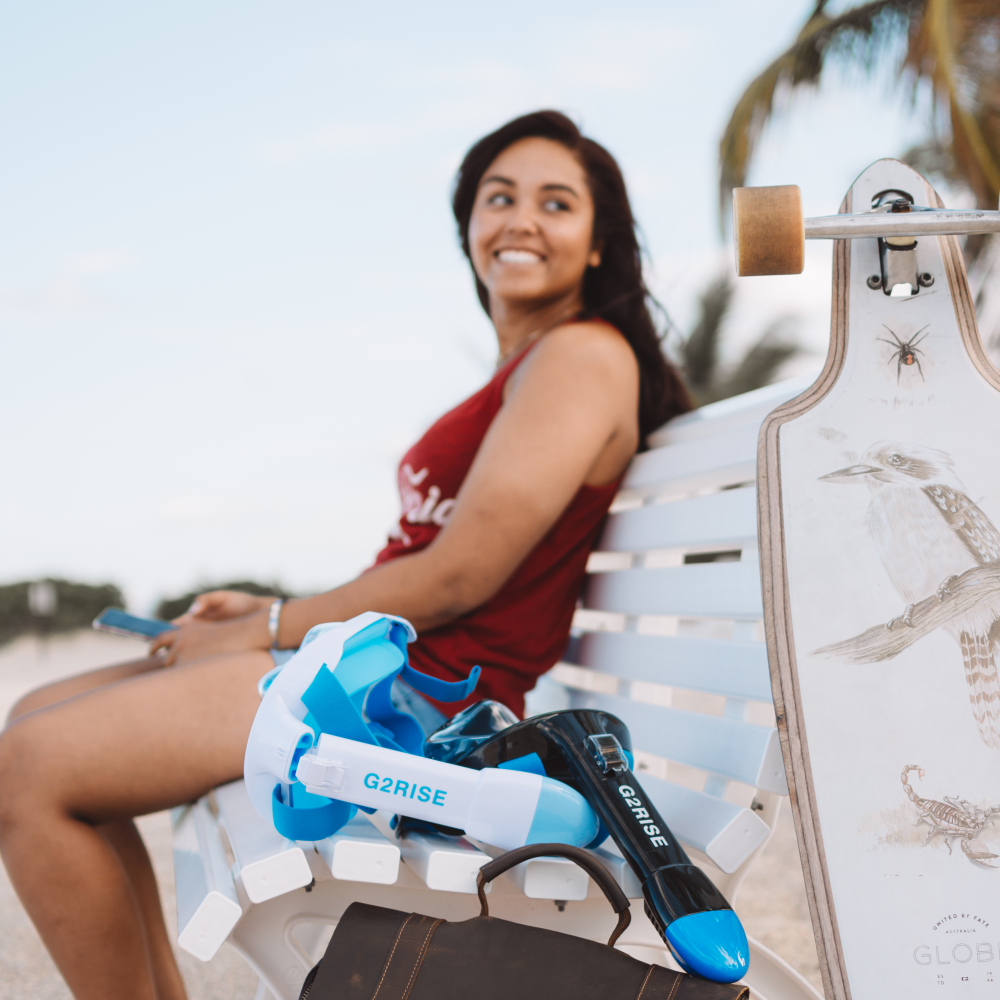
A good travel snorkel set is not just a smaller version of your regular beach gear. For family trips in 2026, it is the piece of the plan that keeps the first water day from turning into a rental-counter problem. Families are building vacations around activity, not just a hotel pool, and snorkeling fits that shift perfectly: it is active, flexible, memorable, and easy to adjust for different ages.
The catch is that snorkeling gear gets personal very quickly. A mask either seals on your face or it does not. A snorkel either feels natural to breathe through or it makes a nervous swimmer quit after five minutes. Fins either help, or they take up half a suitcase and never leave the room. This guide breaks down what to pack, what to rent, and how to match your gear to places like Key Largo, Hawaii, Cancun, Puerto Morelos, and Belize.

Why Travel Snorkel Sets Matter More in 2026
Travel in 2026 is leaning into active, outdoor, do-something vacations. That matters for snorkeling because families are no longer treating it as one optional resort activity. They are choosing destinations because the water is part of the trip. When snorkeling is central to the plan, relying completely on whatever rental gear is available becomes a bigger risk.
A family of four can easily need four different mask fits. One adult may wear glasses. One child may hate a mouthpiece. Another may need a smaller skirt and softer strap. Rental shops are useful, but they are not built around your exact faces. Bringing at least the masks and snorkels you know work can save the trip from a rough start.
Travel gear also helps families stay flexible. If sea conditions change or a boat tour is cancelled, you can still use a calm beach, lagoon, cenote, or hotel swim area for practice. That flexibility is especially helpful in places where wind, swell, or seaweed can change plans fast.
What Should a Family Pack vs Rent?
The simple rule is this: pack the pieces that touch your face and affect comfort, then rent the bulky pieces when the destination makes that smarter. For most families, that means packing masks and snorkels, then deciding case by case on fins, vests, and wetsuits.
Masks should be personal. A mask that leaks once will probably leak again, and children lose confidence quickly when water keeps creeping in around the nose. Snorkels should also be familiar before the trip. A dry-top snorkel can help beginners because it reduces accidental water entry, though children should still practice calm breathing before going into open water.
Fins are the gray area. If you are flying with carry-ons, full-size fins may not be worth the space. If you are driving to Florida, they are easier to bring. For destinations with strong currents or boat trips, tour operators often include fins anyway. For shallow shore snorkeling with kids, short travel fins or no fins may be enough.
How Much Can Bringing Gear Save?
Bringing your own travel snorkel set can reduce small repeated costs, but the bigger saving is usually comfort and time. In Key Largo, many 2026 snorkeling experiences list around the mid-two-digit range per person, and some include rental masks, fins, and vests. That means bringing gear will not always lower the ticket price. What it does is prevent the family from being stuck with a poor mask fit on the one day you paid for a boat.
Belize can work differently. Budget travelers often combine guesthouses, local meals, and targeted boat trips. In that setup, owning reliable masks and snorkels makes more sense because you may be mixing guided trips with casual beach or dock practice. In Hawaii, gear rentals can add up across several beach days, especially if each child wants to try again tomorrow.
Use this family math: if you will snorkel once, rentals are fine. If you will snorkel three or more times, bring your own masks. If your child is nervous, bring their own mask even for one session. Confidence is worth more than the rental fee.

Which Destinations Reward Lightweight Gear?
Key Largo rewards reliable beginner gear because reef tours are accessible and family-friendly, but weather can still move boats between reef sites. Your gear should be easy to carry on and off a boat, quick to rinse, and sturdy enough for repeated handling.
Hawaii rewards gear you can use from shore. Families often build several short water sessions into the trip instead of one long tour. A lightweight mask and snorkel set lets you practice in calm conditions, stop when kids get tired, and return later without renting again.
Cancun and Puerto Morelos reward flexibility. The reefs can be beautiful, but families should check current sargassum reports and recent beach conditions before locking in a beach-heavy plan. A travel snorkel set is useful, but so is a backup plan for cenotes, islands, pools, or protected tour areas.
Belize rewards families who want reef access without a luxury-resort-only mindset. If you choose a guesthouse or smaller local stay, having your own face-fit gear makes it easier to say yes to a good local boat day without worrying about the mask bin.
What Fit Details Matter for Kids and Parents?
Fit is the most important buying factor. Before the trip, place the mask on the face without using the strap, inhale gently through the nose, and see whether it holds for a few seconds. If it drops immediately, it will probably leak in the water.
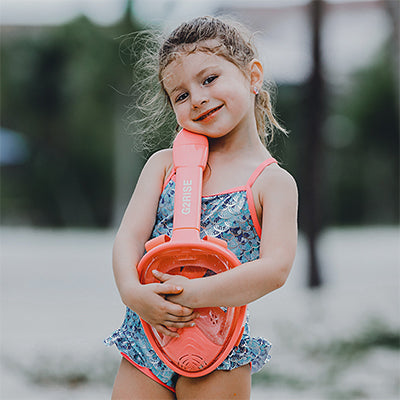
For children, look for a soft skirt, a strap that adjusts without pulling hair, and a field of view that does not make them feel boxed in. For adults, pay attention to nose pocket comfort, skirt width, and whether facial hair affects the seal. Families with prescription needs should not wait until arrival to solve vision issues.
Do not test a new travel snorkel set for the first time on a boat. Try it in a pool, bathtub, or calm shallow water. Kids need to learn that they can stop, stand up, and reset. That one rehearsal changes the whole mood of the vacation.
How to Pack Masks, Snorkels, and Fins Safely
Pack masks in a hard or semi-hard case whenever possible. Silicone skirts should not be crushed under shoes or heavy toiletries, and lenses should not rub against sand-covered towels. Keep snorkels detached if the design allows it, and place them along the side of a suitcase.
If you bring fins, put them flat at the bottom of the bag or use short travel fins. Avoid bending the blade sharply. After each snorkel session, rinse gear with fresh water and let it dry before packing. Saltwater trapped in a closed bag is the fastest way to make gear smell bad by the next morning.
A small mesh bag helps families keep everything together between hotel room, car, and boat. Add reef-safe sunscreen, a rash guard, a small towel, and water shoes if the destination has rocky entries or cenotes.

When a G2RISE Travel Setup Makes Sense
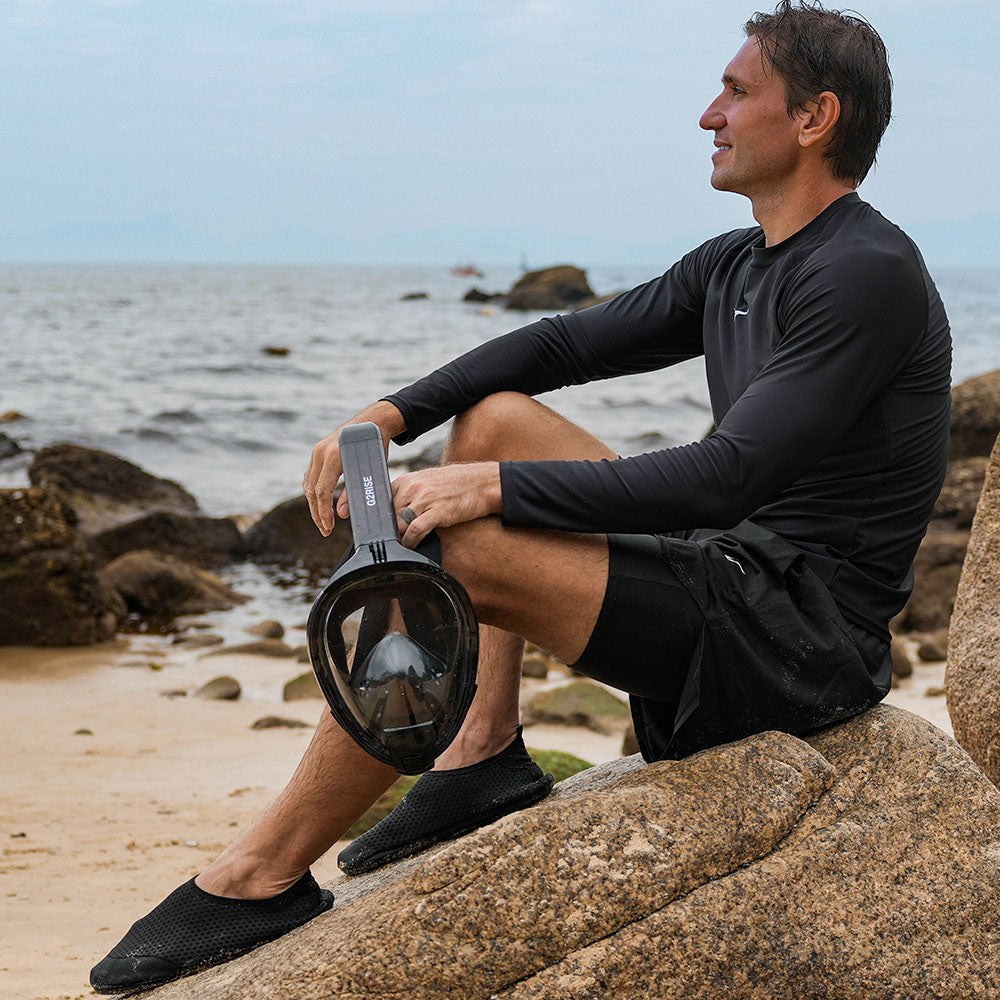
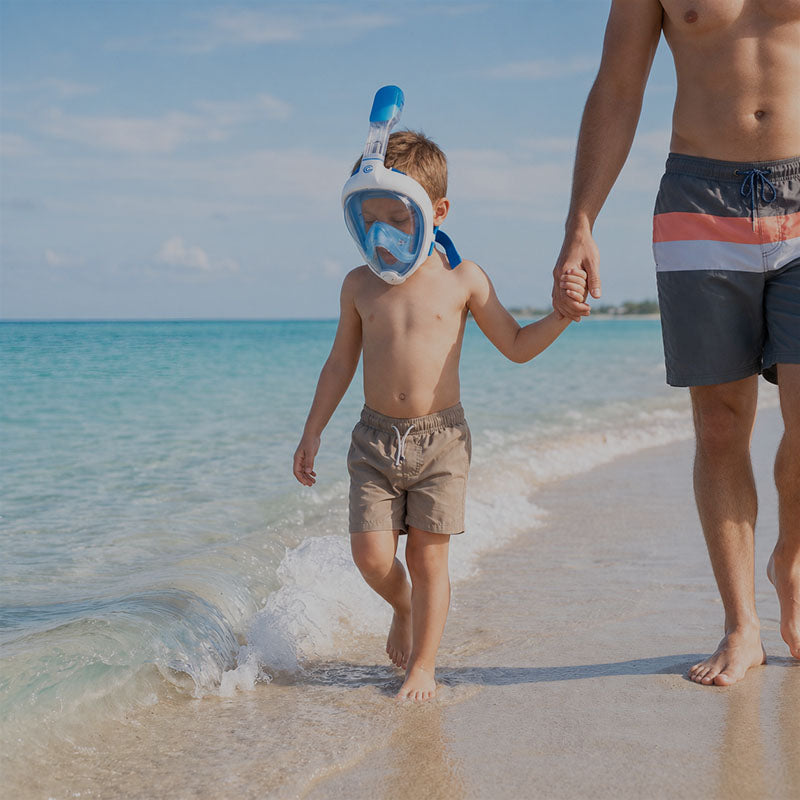
A G2RISE travel setup makes sense when your family wants snorkeling to feel easy from the first day. The point is not to pack every possible accessory. The point is to lock in the comfort pieces, especially the mask and snorkel, so the destination can do its job.
If you are planning a 2026 family trip around reefs, calm bays, or warm-water beach days, start with fit. Choose gear that your family can test before leaving home, rinse easily after use, and carry without turning the suitcase into a dive locker. A good travel snorkel set should make the ocean feel closer, not make packing harder.
For families comparing rental counters, boat tours, and do-it-yourself beach days, G2RISE gear gives you a simple baseline: comfortable face fit, beginner-friendly use, and enough reliability to keep the first water session focused on fish, not leaks.

Leave a comment
This site is protected by hCaptcha and the hCaptcha Privacy Policy and Terms of Service apply.