
The best snorkeling gear for travel in 2026 is the gear that solves three problems at once: it fits your face, it packs without drama, and it works in the destination you actually booked. That sounds obvious, but many families buy gear as if every trip is the same. A calm Hawaii beach, a Key Largo boat tour, a Cancun resort week, and a Belize guesthouse trip ask different things from your bag.
Family travel is also changing. More people want active water days, shorter flexible itineraries, and better control over costs. Snorkeling is a natural fit, but poor gear can turn a low-cost adventure into a frustrating afternoon. This guide shows what to buy, what to skip, and how to match gear to the places families are considering in 2026.

What Makes Snorkeling Gear Travel-Friendly?
Travel-friendly snorkeling gear is not only lightweight. It is predictable. A compact mask that leaks is not better than a slightly larger mask that seals well. A tiny snorkel that is uncomfortable is not worth the saved space. The best travel gear keeps the important parts personal while letting bulky extras stay optional.
Start with the mask. It should have a soft skirt, a clear lens, and a fit that works before you leave home. Then choose a snorkel that your least confident swimmer can use without stress. Fins come third. For many family trips, especially when flying, fins are the easiest item to rent or skip.
For 2026 travel, durability matters too. Families are moving between hotel rooms, rental cars, boat decks, and beaches. Gear gets dropped, rinsed quickly, and packed while damp. Choose equipment that can handle normal vacation chaos.
Which Destinations Need Your Own Gear Most?
Bring your own gear when snorkeling is likely to happen more than once. Hawaii is a good example. Families often do short, repeated shore sessions rather than one big tour. Having your own mask means you can go for twenty minutes in the morning, stop for lunch, and return when the water looks calmer.
Key Largo is different. Many reef tours include rental gear, but your own mask can still be the smartest piece to bring. Boat space, time, and reef conditions are limited. You do not want to spend the first half of a paid tour trying to fix a leaking rental mask.
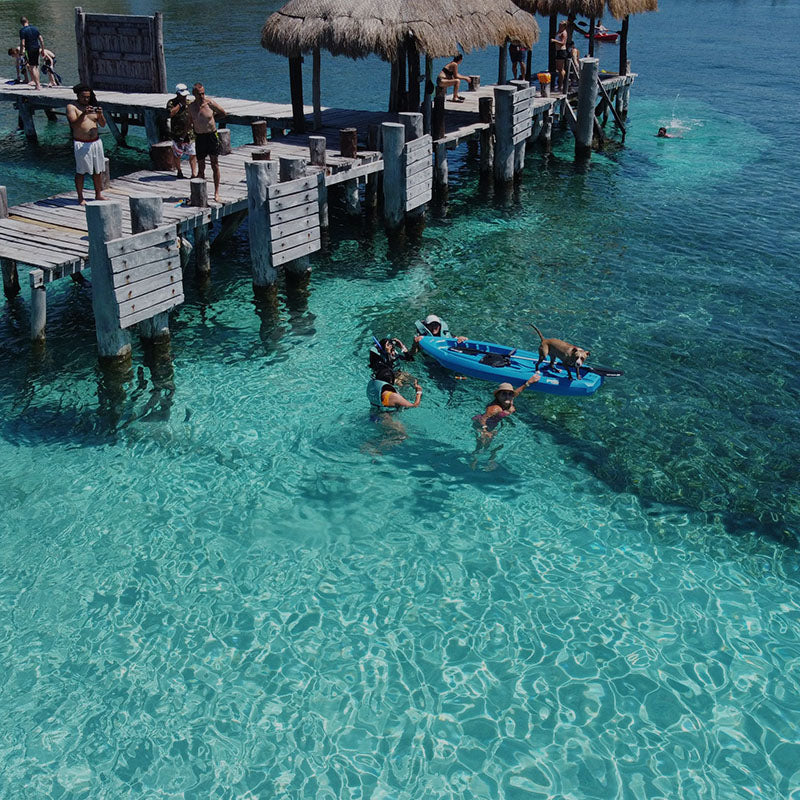
Mexico requires more planning in 2026 because sargassum can affect beaches along Cancun and the Riviera Maya. That does not mean families should avoid the area completely. It means they should check current reports, consider islands or cenotes, and pack gear that can work across several backup activities.
Belize is a strong fit for families who want reef access and a more flexible cost structure. If you mix guesthouses with selected boat trips, personal gear gives you more freedom and fewer rental unknowns.
Full Face vs Traditional Masks for Family Travel
A traditional mask and snorkel is compact, familiar to tour operators, and easy to clear once a swimmer learns the basics. It is usually the safest default for confident swimmers, older kids, and anyone planning repeated sessions in varied conditions.
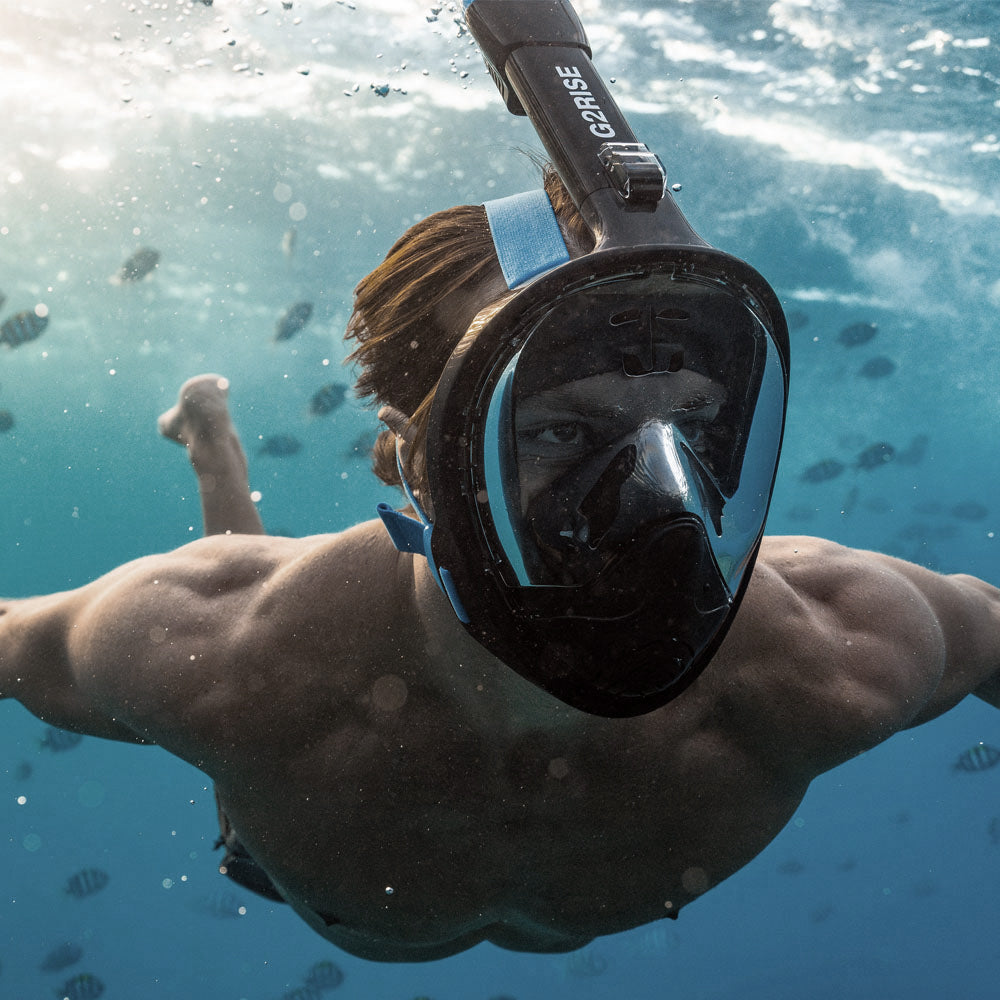
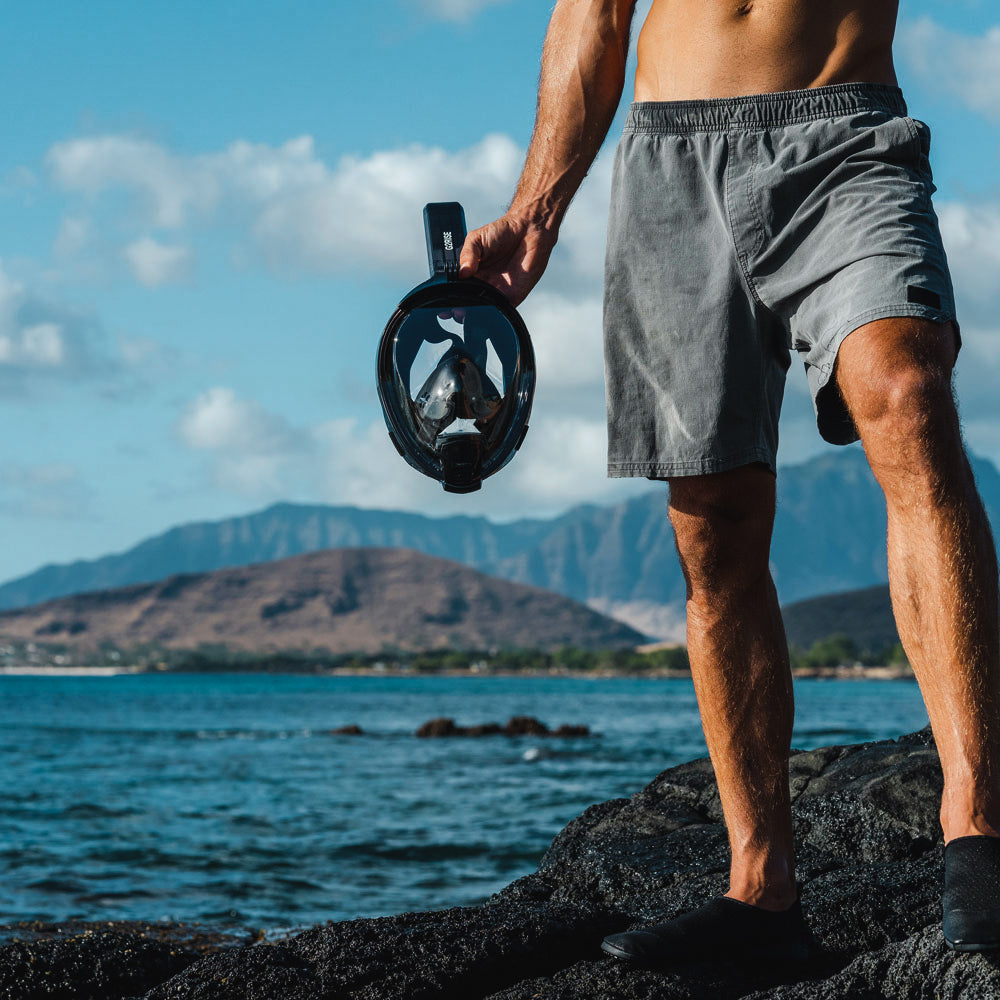
A full face snorkel mask can be more comfortable for some beginners because it allows nose-and-mouth breathing and gives a wider view. It can be helpful for nervous adults or children who struggle with a mouthpiece. The key is choosing a design with separated airflow, a good seal, and clear usage limits.
Families should not use full face masks for freediving or deeper diving. They are built for surface snorkeling. If your trip includes duck diving, underwater equalizing, or more advanced water skills, use traditional gear and get instruction first.
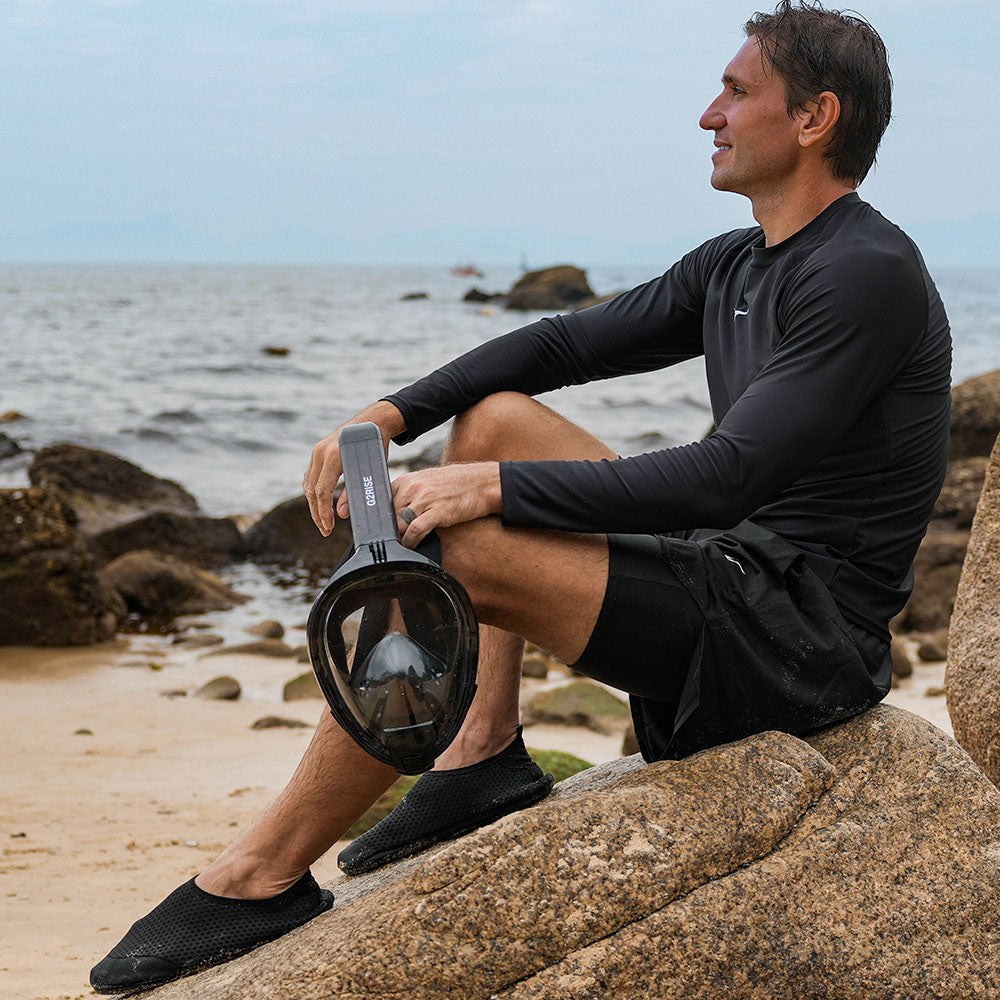
For relaxed surface snorkeling, the G2RISE SN01 style of full face setup can make sense when comfort and confidence are the priority. It is especially useful for beginners who want a broad view and a simpler breathing feel.

How to Balance Cost, Comfort, and Luggage Space
Think about the trip budget in three layers. First, the fixed costs: flights, lodging, and transportation. Second, the activity costs: reef tours, park fees, boat trips, and tips. Third, the comfort costs: rental gear, replacement gear, water shoes, rash guards, and last-minute purchases.
Gear sits in the third layer, but it affects the second. A family that brings masks may still pay for a tour, but they are more likely to enjoy the full time in the water. A family that rents everything may save suitcase space, but if two masks leak, the tour value drops fast.
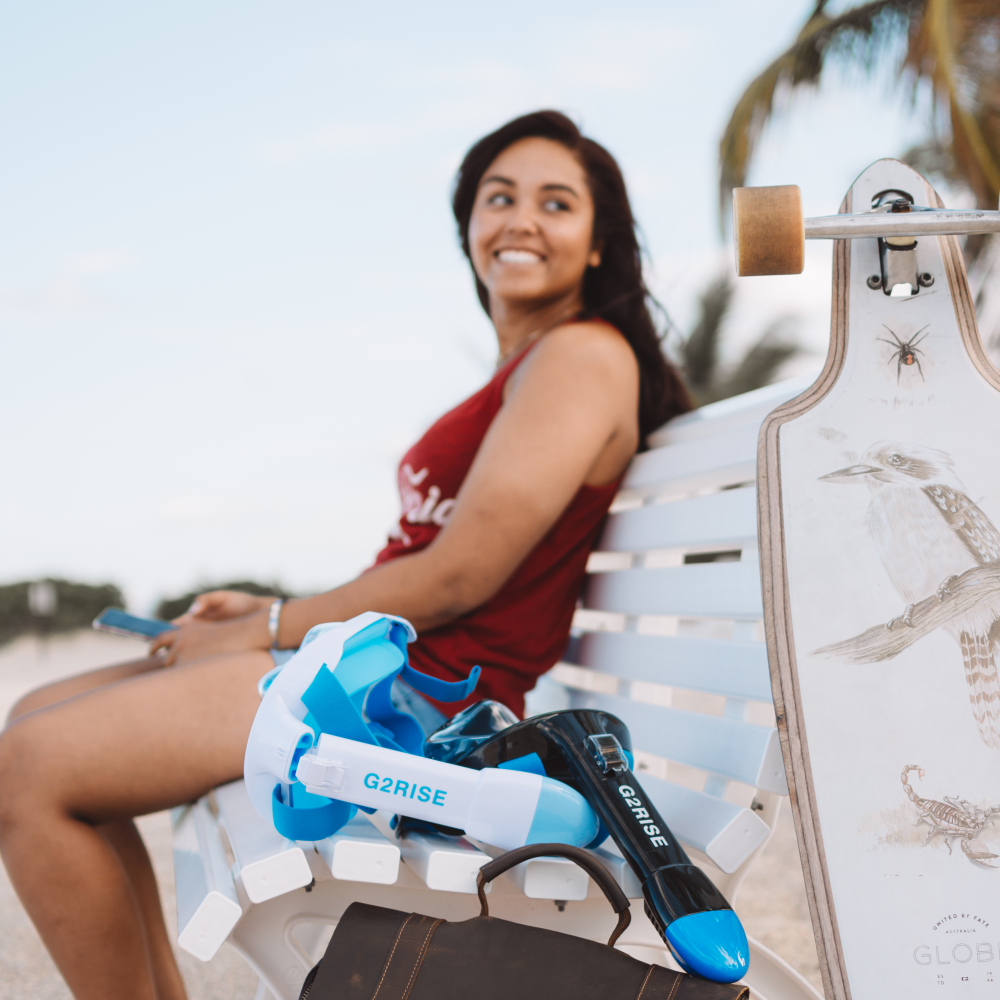
The most budget-friendly plan is usually not to buy everything. Buy the personal fit items. Rent or skip bulky items depending on the destination. For many families, that means owning masks and snorkels, then deciding on fins once they know whether the trip is shore-based, boat-based, or both.
What Should Kids Use on Their First Snorkel Trip?
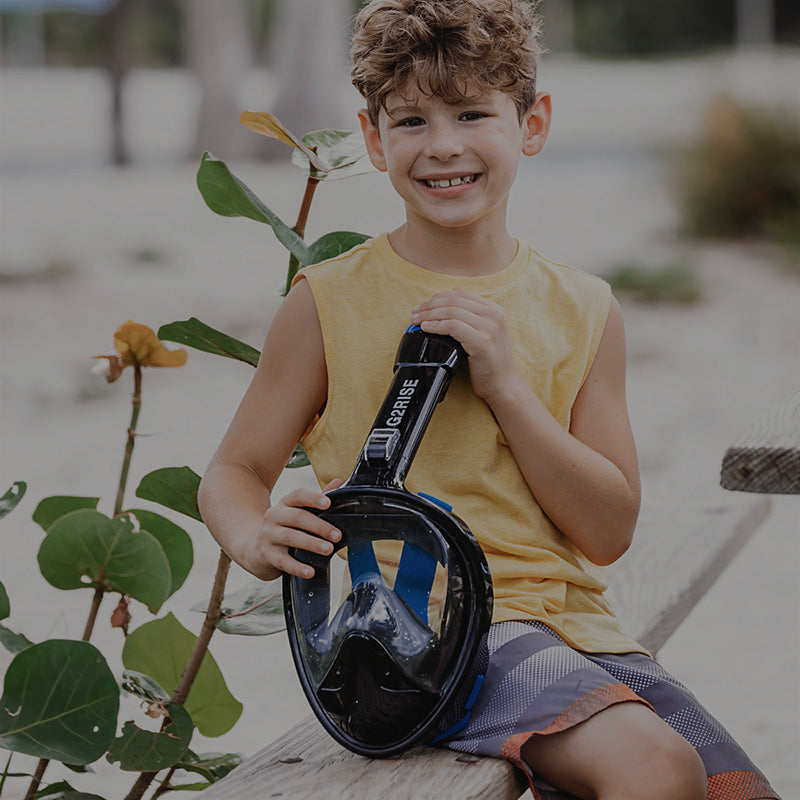
Kids should use gear that matches their face and confidence level, not gear chosen only by age label. A seven-year-old with a narrow face may need a different mask from another child the same age. Before the trip, test the seal and let the child practice breathing in shallow water.
Do not make the first session too ambitious. Choose calm water, short time blocks, and a clear exit plan. Kids need to know they can stand up or return to shore. The best first snorkel trip is usually boring for the adult and magical for the child.
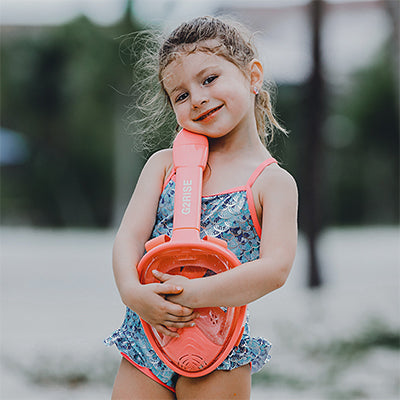
Bright colors help parents spot gear and swimmers more easily. Soft straps reduce complaints. A simple snorkel with a comfortable mouthpiece is more important than advanced features. If a child hates the mouthpiece, consider a surface-only full face option with careful supervision and correct sizing.
What Gear Can You Skip to Save Money?
Many families can skip heavy fins for casual shore snorkeling, especially with younger kids who stay near the surface and close to adults. You can also skip underwater cameras for the first trip. They distract children from breathing, floating, and staying aware of surroundings.
Expensive anti-fog sprays are optional. A clean lens and basic anti-fog routine often do enough. Oversized dry bags are not always necessary if you have a mesh gear bag and a small waterproof pouch for keys and phones. Wetsuits depend on water temperature; warm destinations may only require rash guards for sun protection.
Do not skip sun protection, fresh-water rinsing, or mask fit. Those are the cheap details that protect the trip.

The G2RISE Pick for 2026 Family Snorkeling Trips
For 2026 family travel, the best snorkeling gear is gear that lowers friction. It should help beginners breathe calmly, help parents manage packing, and make repeated short water sessions easier. That is where G2RISE fits: simple, family-friendly equipment designed around comfort, visibility, and practical use.
If your trip is built around easy reefs, beach days, and first-time snorkelers, the G2RISE SN01 can be a strong fit for surface snorkeling. If your family prefers traditional gear, the same buying logic still applies: prioritize seal, comfort, and real destination use over a long feature list.
Choose the gear that makes your family want to get back in the water tomorrow. That is the real test of travel snorkeling equipment.

Leave a comment
This site is protected by hCaptcha and the hCaptcha Privacy Policy and Terms of Service apply.