
Diving Mask and Snorkel: What Setup Works Best?

A diving mask and snorkel setup can mean several different things: a true scuba-style dive mask with a separate snorkel, a basic snorkel mask set for surface swimming, or a full-face snorkel mask that combines mask and snorkel into one. The best setup depends on whether you are staying on the surface, duck diving, or preparing for scuba.
What is a diving mask and snorkel setup?
At the simplest level, the setup includes a mask that creates an air space around your eyes and nose, plus a snorkel tube that lets you breathe while your face is in the water at the surface. Fins often complete the system, but the mask and snorkel are the two parts that control visibility and breathing comfort.
The confusing part is the word diving. Many shoppers use diving mask and snorkel when they really mean snorkeling gear. True dive masks are built for pressure changes below the surface. Snorkel masks are often optimized for relaxed surface use. Full-face snorkel masks are a third category: very comfortable at the surface, but usually not designed for depth.
Is a diving mask different from a snorkel mask?
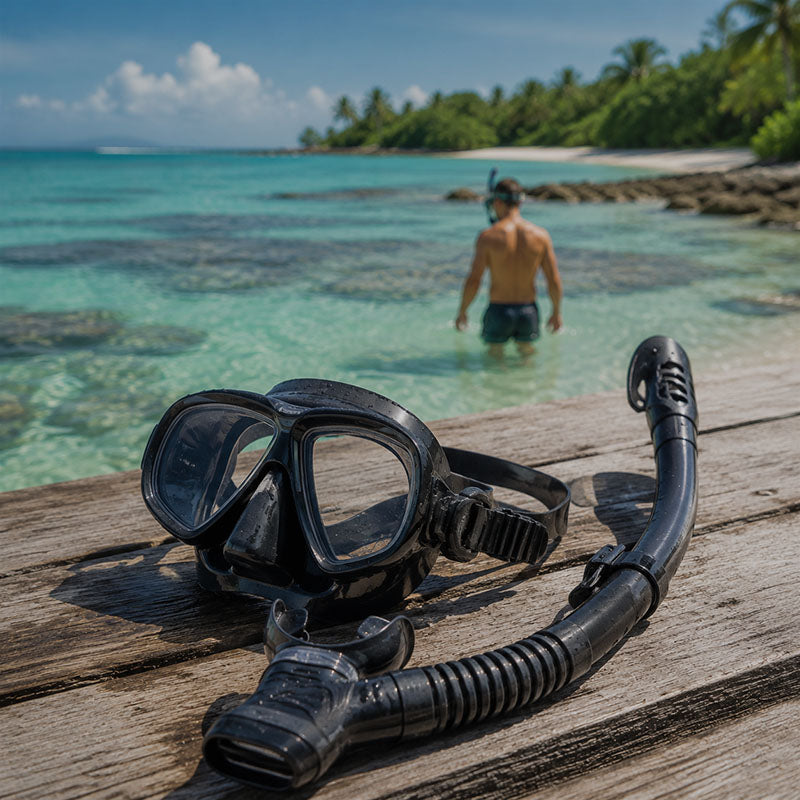
Yes. A scuba-suitable mask needs strong tempered glass and a nose enclosure so the diver can equalize the airspace on descent. A dive mask is designed to handle deeper-water pressure, includes a nose pocket for equalizing, and uses a durable skirt to maintain a tight seal.
A snorkel mask may look similar, but it is usually chosen for surface comfort, view, price, and ease of use. That does not make it bad. It simply means you should not assume every beach mask is safe or comfortable for scuba. If you plan to dive below the surface regularly, buy a real dive mask. If you plan to float, watch fish, and breathe through a snorkel, a snorkel-specific setup may be more comfortable and easier to use.
What setup works best for surface snorkeling?
For surface snorkeling, comfort wins. You want a mask that seals without pressure, a snorkel that stays dry enough for your conditions, and fins that do not tire your legs. A traditional mask and separate snorkel works well for travelers who want lightweight gear and the option to duck dive.
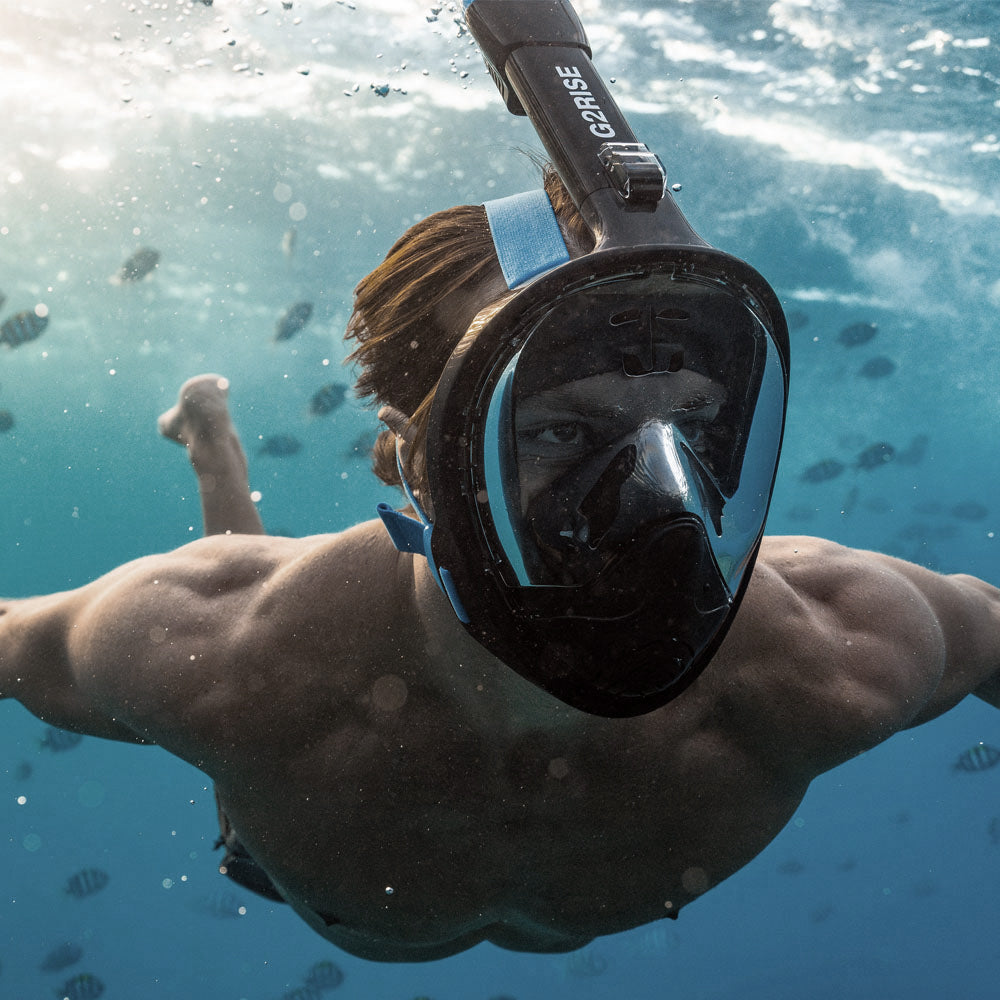
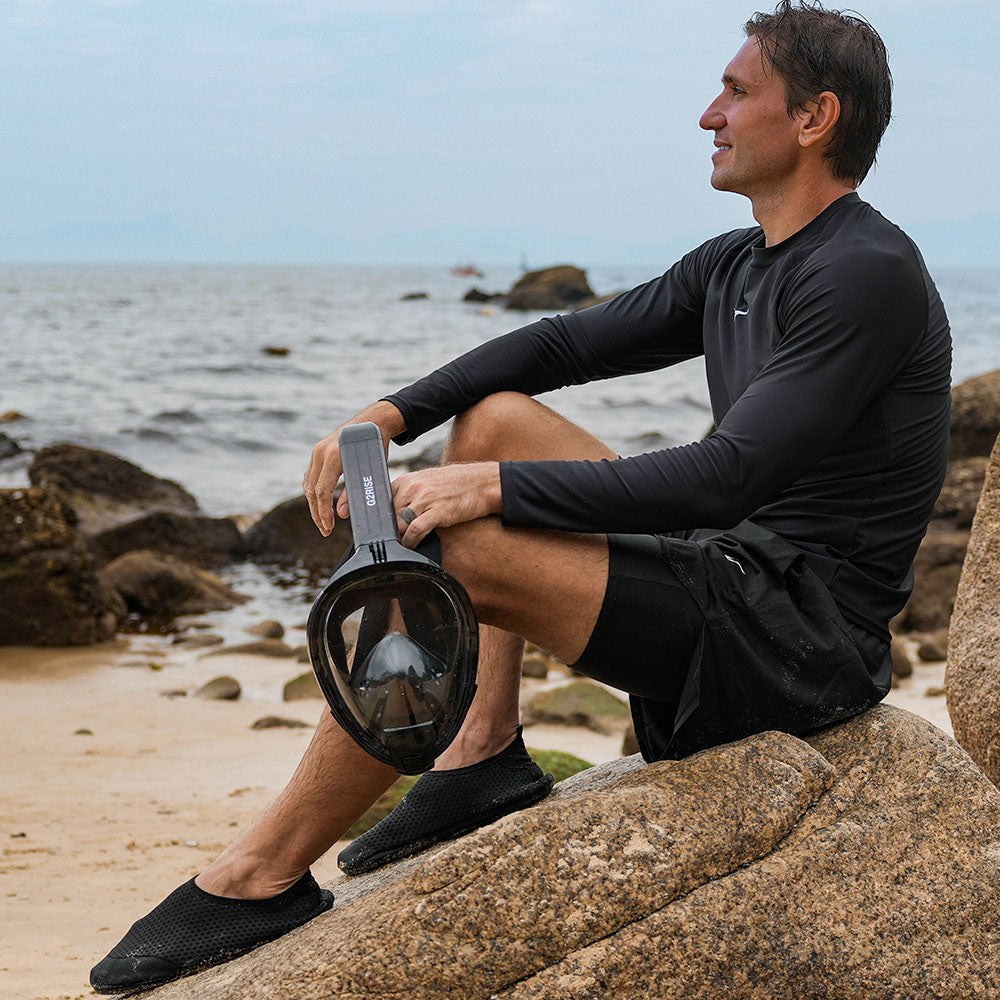
A full-face snorkel mask works well for beginners who want a wider view and more natural breathing through the nose and mouth. If you are mostly exploring calm reefs, lagoons, or resort beaches, choose the setup that lets you relax. Many bad snorkeling experiences start with overcomplicated gear.

How do fit, seal, and visibility change the experience?
A poor seal changes everything. Even a small leak forces you to stop, clear the mask, and think about equipment instead of the reef. Fit comes before features. Use the no-strap test: place the mask on your face, inhale gently through your nose, and see whether it holds briefly. If it does not, choose another shape.
Visibility affects confidence too. Single-lens and panoramic designs can feel open, while lower-volume dive masks may trade some peripheral view for easier equalization. Dual-lens masks are often lower internal volume and easier to clear, while single-lens masks can give a more uninterrupted line of sight. For snorkeling, most beginners prefer more view. For diving, many users accept less volume for function.
When should you choose a full-face option?
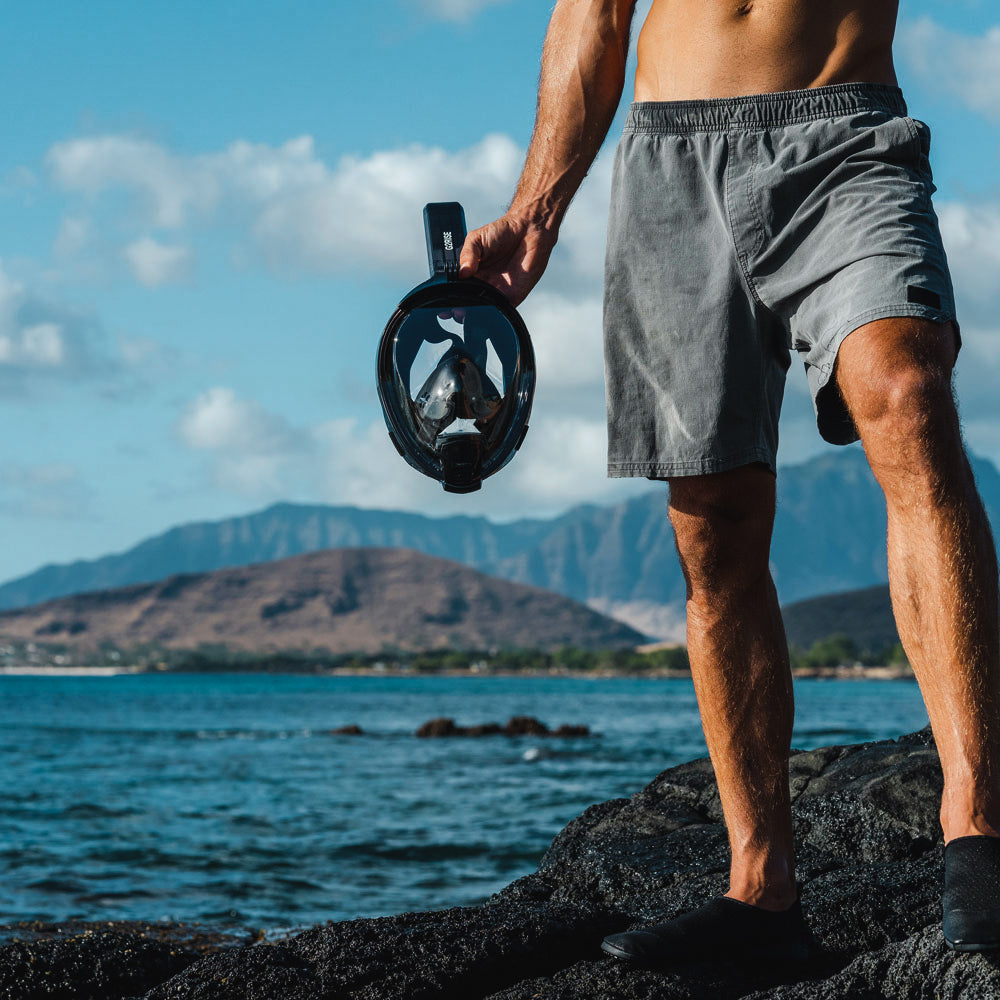
Choose a full-face option when you want relaxed surface snorkeling, easier nose-and-mouth breathing, and a more open view. It can be especially helpful for people who dislike biting a mouthpiece or who feel tense with traditional snorkels. It also simplifies the setup because the snorkel and mask are one system.
Do not choose a standard full-face snorkel mask for deep diving. Most designs make it difficult to pinch the nose and equalize ear pressure. They are made for floating and looking, not for descending. If your plan includes scuba, freediving, or repeated duck dives, use a traditional dive mask and separate snorkel instead.
What should beginners avoid buying?
Beginners should avoid gear that tries to do everything. A cheap mask that leaks, a stiff snorkel mouthpiece, oversized fins, or a one-size full-face mask can turn a simple swim into a frustrating session. Also avoid buying only for color, bundle price, or travel photos. Water comfort is more practical than appearance.
For a first setup, choose one clear use case. If you want easy surface snorkeling, pick a comfortable full-face or traditional snorkel set with a reliable seal. If you are moving toward scuba, buy a true dive mask with tempered glass and a nose pocket. If you travel often, consider pack size and how easily each part dries.

How does G2RISE simplify the setup?
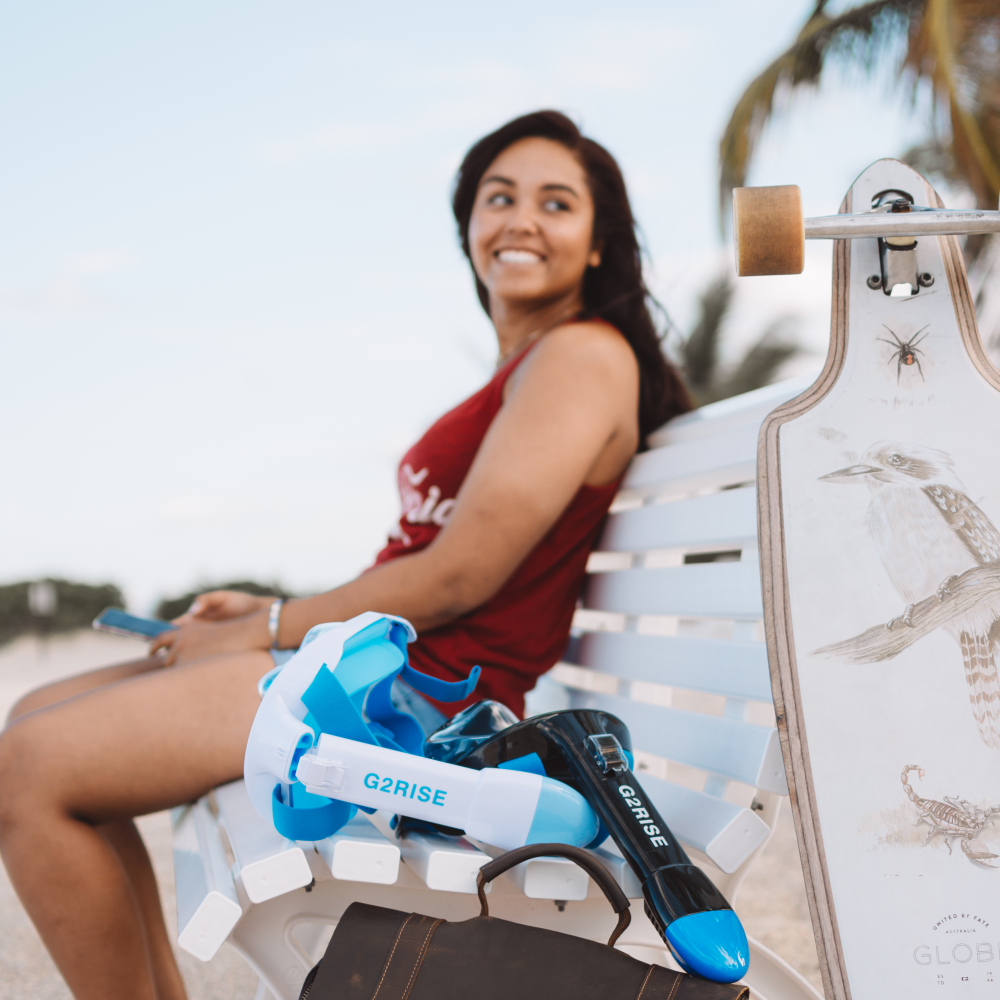
G2RISE helps buyers who are overwhelmed by traditional gear combinations. Instead of asking a beginner to match mask volume, snorkel style, lens layout, purge features, and fin stiffness on day one, a simpler surface-snorkeling setup can make the experience feel approachable. That matters because the first good session often decides whether someone keeps snorkeling.
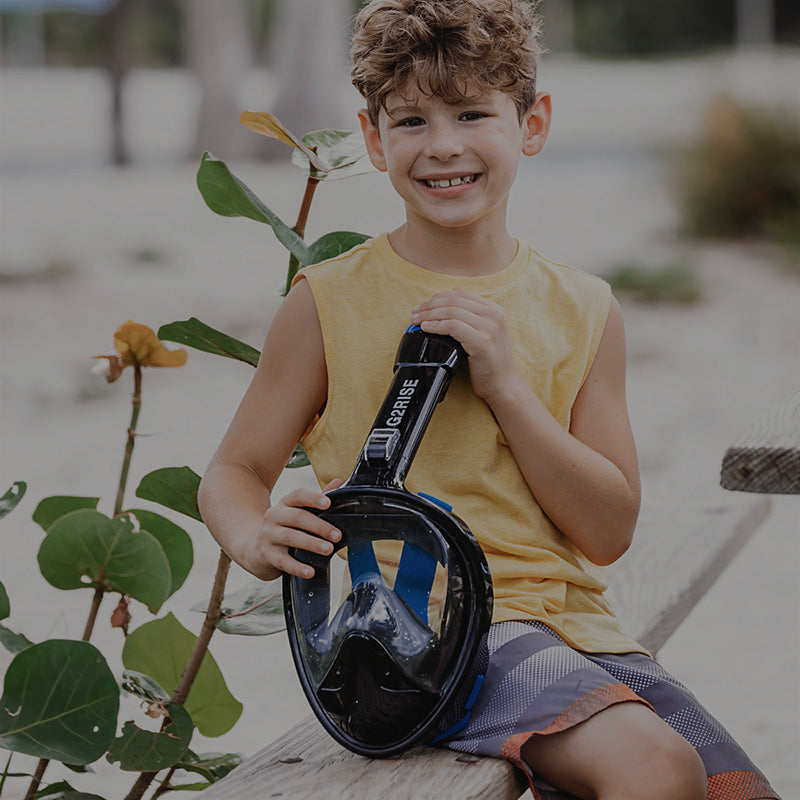
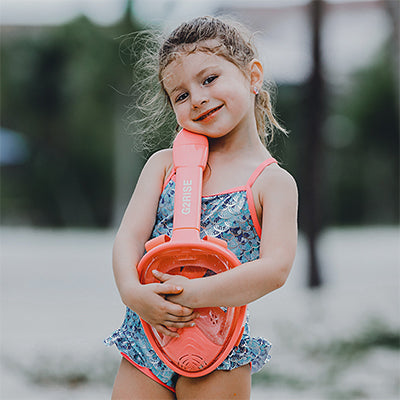
For casual reef viewing, family trips, and beginner-friendly water days, a G2RISE full-face option can reduce the learning curve and keep attention on the water. If your goal is true diving, choose dedicated dive gear. If your goal is relaxed surface snorkeling, choose the setup that makes breathing, seeing, and staying calm feel easy.


Leave a comment
This site is protected by hCaptcha and the hCaptcha Privacy Policy and Terms of Service apply.