
Cancun's reputation as a snorkeling destination is real — the Mesoamerican Barrier Reef, the second-largest coral reef system in the world, runs along this coastline from Mexico's Yucatan Peninsula all the way to Belize and Honduras. The problem is that most snorkeling marketed and sold in Cancun visits the least impressive sections of that reef. The spots most commonly promoted as "best snorkeling in Cancun" — particularly in the Hotel Zone — are affected by boat traffic, proximity to a city of 900,000 people, and three decades of heavy tourist use. The genuinely excellent snorkeling in the Cancun area is slightly less convenient to reach and almost never appears in the top results when you search for what to do in Cancun.

Is Snorkeling in the Cancun Hotel Zone Worth It?
The short answer: the Hotel Zone has snorkeling, but it's not the reef that makes Mexico's Caribbean coast famous. Here's the honest breakdown.
Punta Nizuc, at the southern tip of the Hotel Zone barrier island, is the closest offshore snorkeling to most hotels. It's shallow (1.5 to 3 meters), accessible by boat tour, and has colorful reef fish and some coral formations. What it doesn't have: the visibility, coral density, or marine diversity that defines Mesoamerican Reef snorkeling. The reef sections directly accessible from Hotel Zone tours have sustained significant wear from the estimated 6 million annual tourists who visit Cancun, and boat traffic in the area reduces visibility between November and April (dry season) and creates more consistent chop and murk in summer. For casual snorkelers who want tropical fish and warm water, it delivers. For anyone who's snorkeled Caribbean reefs before and expects to be impressed, it typically underwhelms.
The MUSA Underwater Museum (Museo Subacuático de Arte) is the exception to the Hotel Zone snorkeling underwhelm problem. It's a legitimately distinctive experience — 500+ life-size sculptures submerged in two sites (Manchones Reef off Isla Mujeres and Punta Nizuc), designed by British sculptor Jason deCaires Taylor, with concrete formulated specifically to attract coral and sponge growth. The sculptures have been submerged since 2009 and many are now substantially colonized. This is better experienced by snorkeling than by scuba because the sculptures are in 4 to 8 meters of water, which is workable with a snorkel but too shallow for a satisfying dive. Book a tour specifically to MUSA rather than a generic "Cancun snorkeling" package.
Where Is the Actually Good Snorkeling Near Cancun?
Puerto Morelos is 30 minutes south of Cancun's Hotel Zone by taxi or bus and offers something the Hotel Zone doesn't: the Mesoamerican Barrier Reef accessible directly from a protected bay, with no boat traffic over the reef and a national marine park designation that limits visitor numbers. The reef runs parallel to the coast at between 400 and 600 meters offshore, reachable in a short boat ride from the town pier. Water clarity at Puerto Morelos consistently exceeds what's achievable in the Hotel Zone, and the coral formations are substantially healthier. This is where locals who snorkel actually go.
Isla Mujeres, the small island 13 kilometers off Cancun's coast and accessible by 20-minute ferry from Puerto Juárez (cheaper and faster than the ferry from the Hotel Zone), has several legitimate snorkeling areas. Garrafon Natural Reef Park on the island's south end has good coral and fish, though it's a managed park with an entrance fee. The ferry crossing itself sometimes passes over open reef sections with exceptional water color. Budget 4 to 5 hours for a round trip including snorkeling time.
El Meco Reef, north of downtown Cancun near Punta Sam (ferry terminal for Isla Mujeres car ferry), is a genuinely undervisited site — a smaller reef with good visibility and fewer boats than the Hotel Zone. It's not easily accessible from Hotel Zone hotels, which is why it appears in very few tourist guides. If you have a rental car or are willing to take a taxi north of downtown, the boat trip from Punta Sam is short and the reef quality noticeably better than Hotel Zone alternatives.
What's the Difference Between Reef Snorkeling and Cenote Snorkeling?
This is the most practically useful question to answer because Cancun-area tours sell both, and they're fundamentally different experiences that attract different snorkelers. Most guides list them together without explaining why the choice matters.
Ocean reef snorkeling in Cancun means warm saltwater (around 27°C year-round), Caribbean reef fish (parrotfish, angelfish, sergeant majors, sea turtles), coral formations, and 10 to 30 meters of visibility on a clear day. The environment feels alive in the sense that everything moves — fish schools, current, waving sea fans. Entry is by boat and conditions vary with weather.
Cenote snorkeling is completely different: freshwater (often significantly cooler, typically 24–25°C), underground or semi-open geology with stalactites and stalagmites formed during ice ages when sea levels were lower, extremely high clarity (sometimes 100+ meters horizontal visibility), and much less marine life diversity. The experience is geologiShopify APIcal rather than biological — you're in a cathedral of rock formations in crystal-clear water, not a tropical reef. Gran Cenote near Tulum, Cenote Dos Ojos (famous for its double-chamber system), and Cenote Azul (open-air, family-friendly) are all within 90 minutes of Cancun. Cenote temperatures feel cold after Caribbean ocean temperatures, especially for children.
Neither is objectively better — they're different experiences. Travelers who've snorkeled Caribbean reef before often find cenotes more distinctive; first-time snorkelers typically find reef snorkeling more accessible and colorful. Doing one of each is worth the logistics if your trip is longer than three days.

What Is Whale Shark Snorkeling and When Can You Do It?
From approximately mid-May through September, whale sharks aggregate off the coast of Holbox Island (2.5 hours north of Cancun) and, closer to Cancun, in the waters between Isla Mujeres and Isla Contoy. Whale sharks are the world's largest fish — adults commonly exceed 10 meters — and feed exclusively on plankton. They're docile, move slowly, and can be approached in open water by snorkelers. The aggregation off Mexico's Yucatan coast is one of the largest in the world, with peak activity in July and August.
This is a legitimate once-in-a-lifetime experience, but requires separate planning from reef snorkeling. Permits are required, tours must follow CONANP (Mexico's environmental authority) regulations (maximum 10 snorkelers per whale shark, minimum distance rules), and boats leave very early (typically 4 to 5 AM from Cancun or Isla Mujeres) to reach aggregation sites before afternoon winds. Day tours from Cancun run 8 to 10 hours total. Book at least 2 weeks ahead for July and August departures.
What's the Best Time of Year to Snorkel in Cancun?
The Mesoamerican Reef can be snorkeled year-round, but conditions vary meaningfully by season. The clearest water and calmest seas occur in the dry season from December through April — visibility at Puerto Morelos and offshore reef sites regularly exceeds 20 meters in these months. This is peak tourist season for hotels, so prices are higher.
May through September brings higher temperatures, slightly lower visibility from summer algae bloom, and afternoon thunderstorms that are brief but can suspend boat tours. The trade-off is whale shark season (June–September) and lower hotel rates. October and November are hurricane season, though the Cancun area is somewhat protected by the Yucatan Peninsula's orientation. Actual hurricane strikes are less common than the season designation implies, but weather conditions are less reliable and some tour operators reduce schedules.
One consistent rule regardless of season: book morning tours. By 1 to 2 PM most days, trade winds and afternoon heating create surface chop that reduces both visibility and comfort. Morning tours in flat calm are significantly better than afternoon tours in the same location.
Is the Cancun Hotel Zone or Puerto Morelos Better for Families?
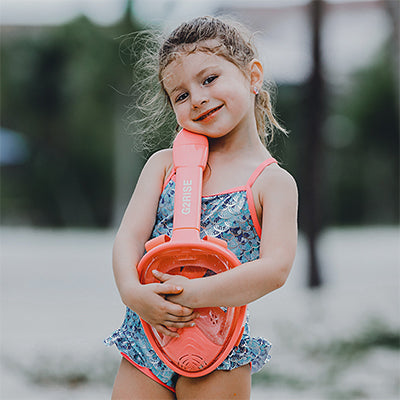
Families with young children (under 8) are often better served by Hotel Zone tours because the logistics are simpler and the reef shallow enough for children to see fish without diving. The added hassle of transit to Puerto Morelos or Isla Mujeres can make a long day with young children. The MUSA sculptures in the Hotel Zone's Punta Nizuc section are also kid-friendly — concrete statues of human figures in shallow water are easy to spot and visually interesting for children who haven't snorkeled reef before.
Families with older children (8+) who are comfortable snorkeling benefit significantly from making the trip to Puerto Morelos. The reef quality difference is noticeable to anyone old enough to understand what healthy coral looks like versus degraded. Puerto Morelos town itself is also a more authentic experience than the Hotel Zone, with local restaurants and none of the resort corridor pressure.
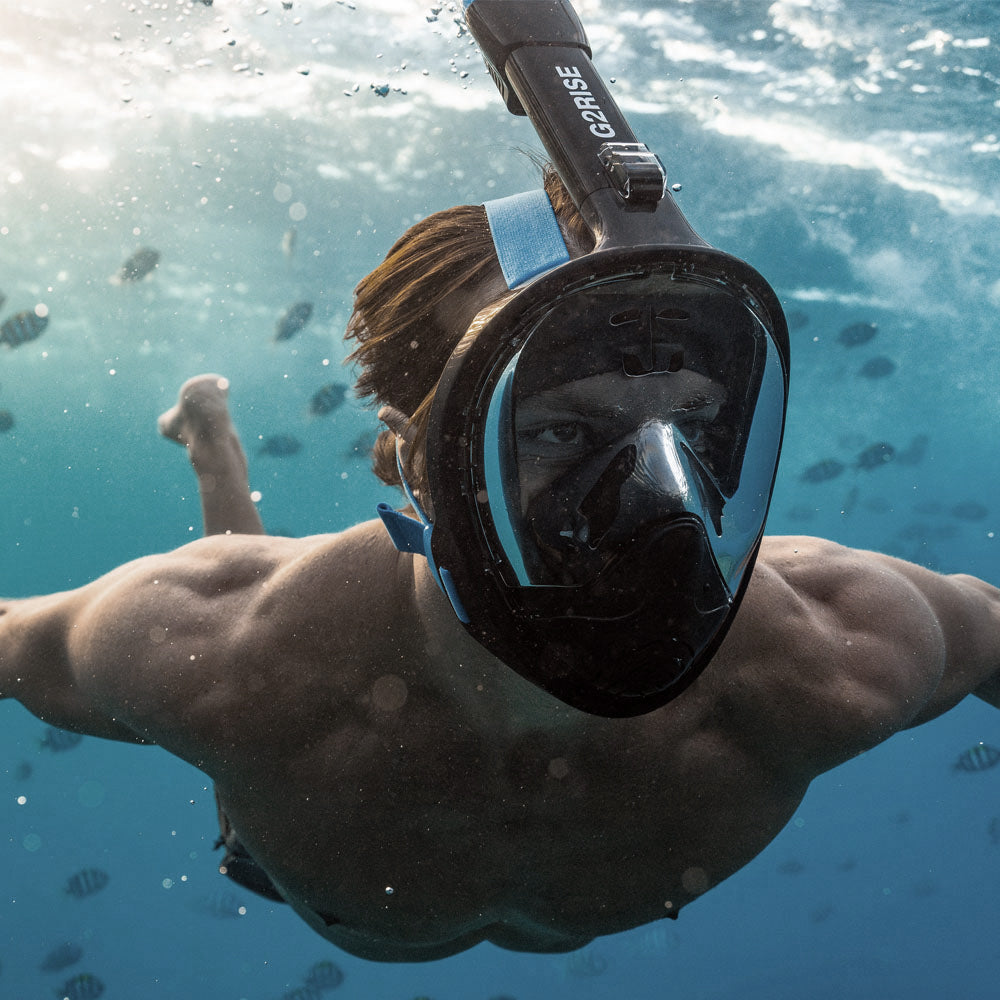
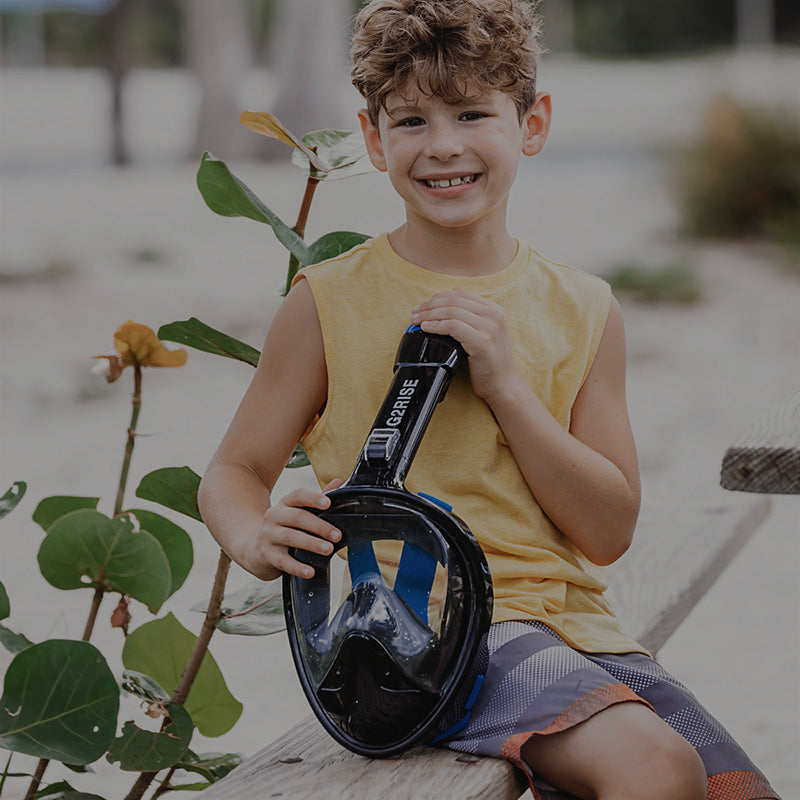
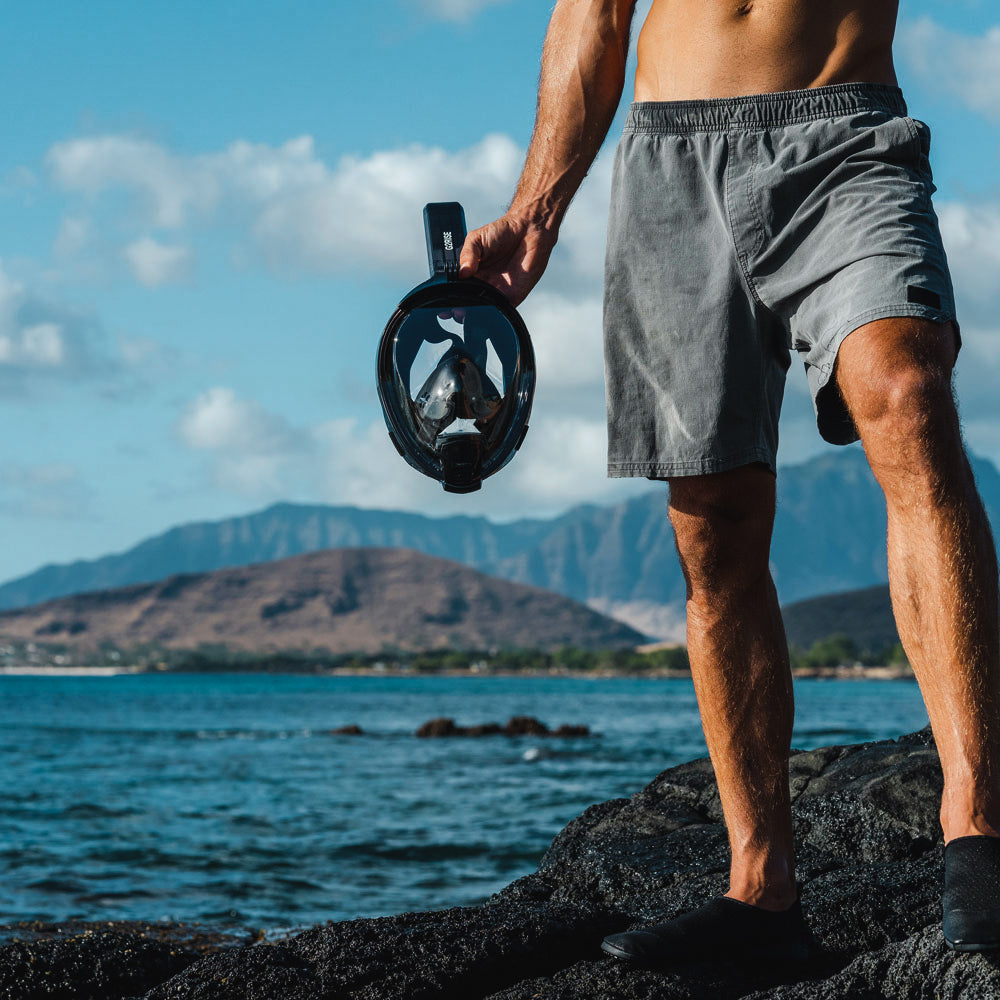
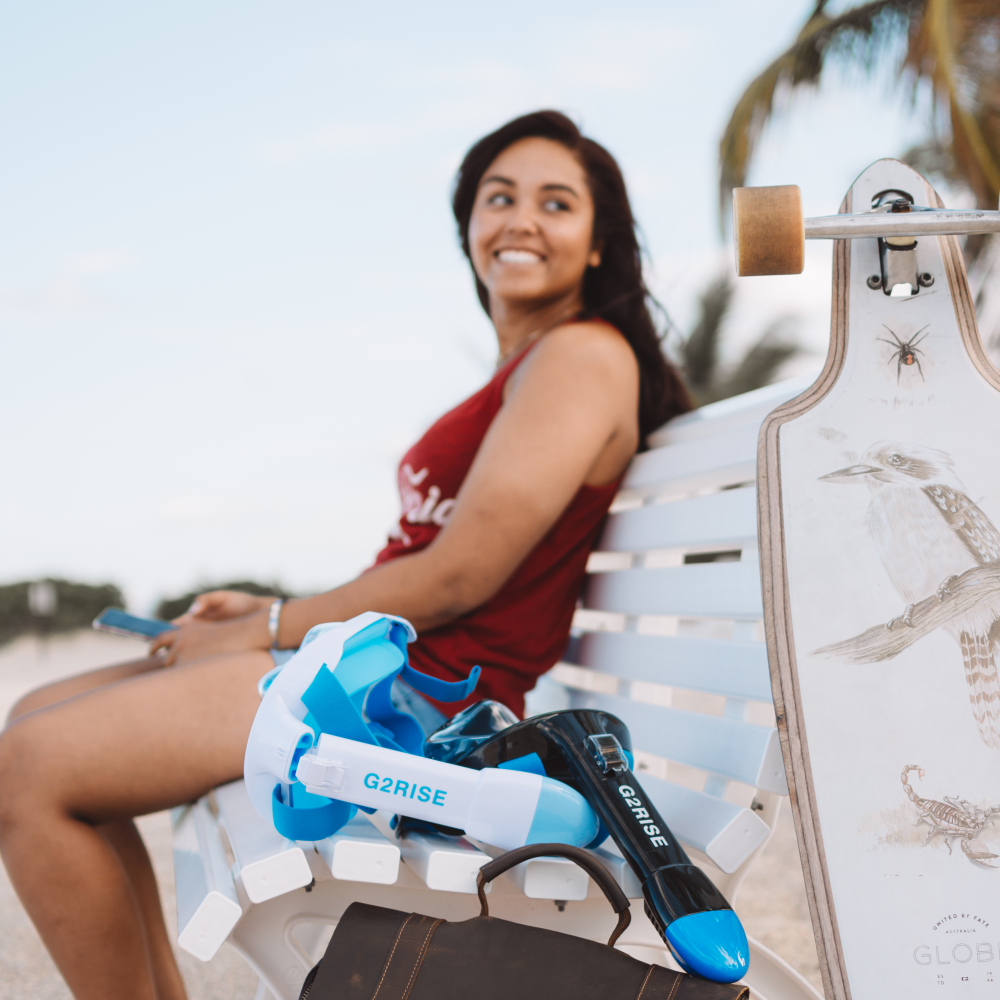
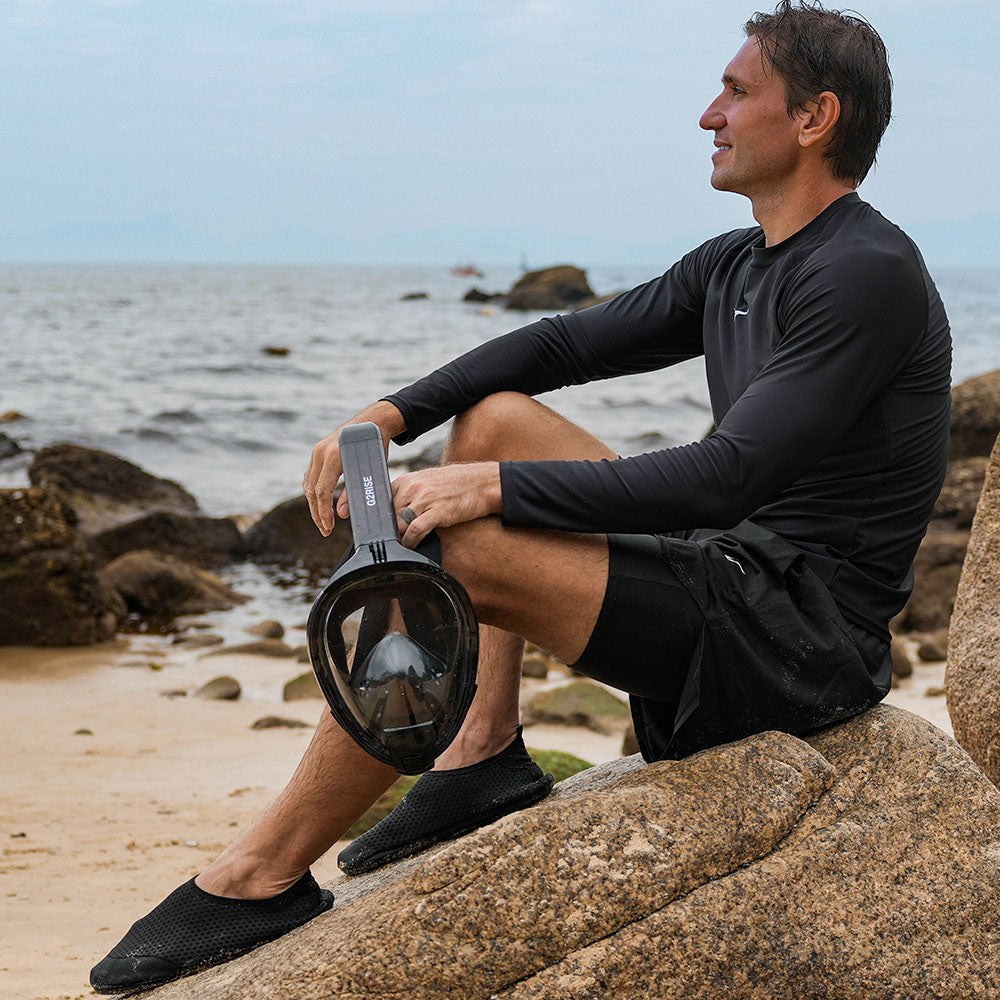
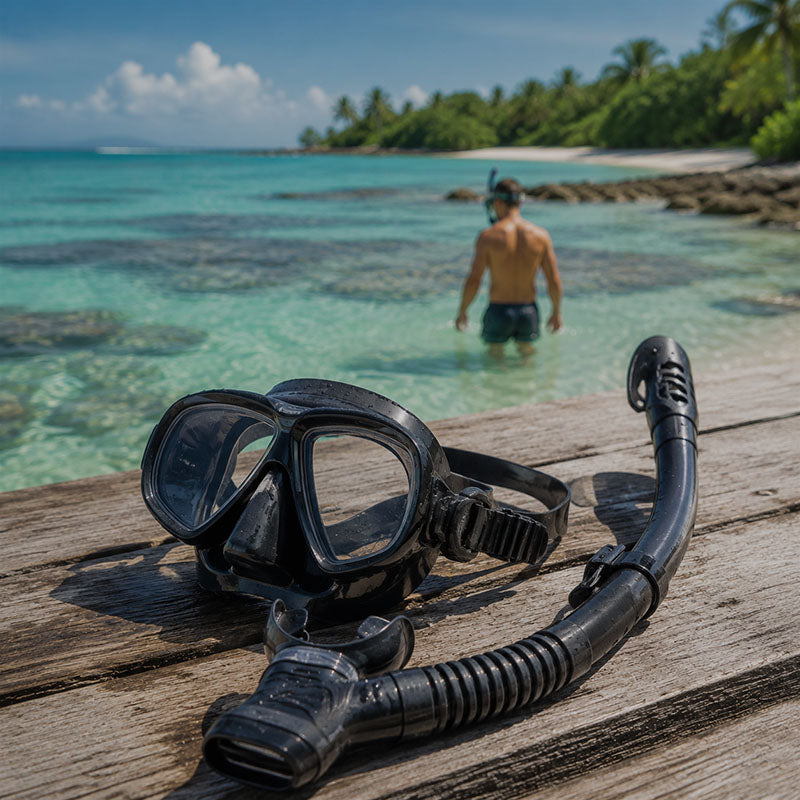
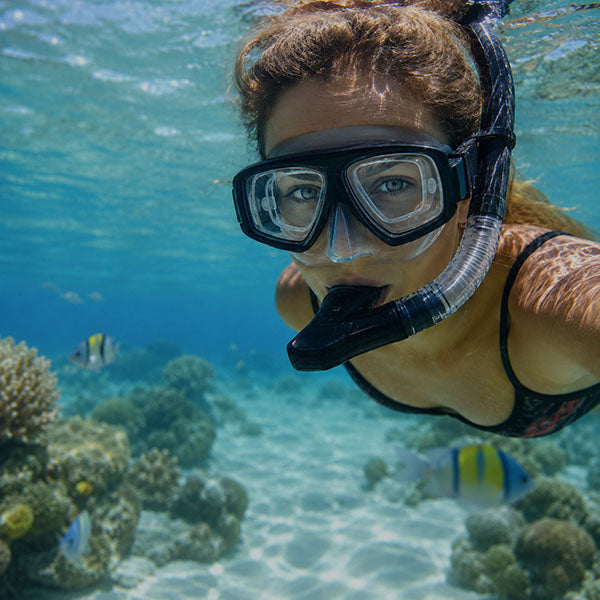
G2RISE's SN01 mask performs well in both environments — the dual-silicone seal creates a watertight fit on varying adult face shapes, and the dry-top snorkel prevents the common surprise ingestion that happens when snorkelers surface to look around and a wave splash enters the tube. For calm Hotel Zone conditions, either a dry-top or traditional snorkel functions. For open-water conditions at Puerto Morelos or on the outer reef, the dry-top design is noticeably more comfortable.

Quick Reference: Cancun Snorkeling by Priority
- Best reef quality: Puerto Morelos (30 min south) — Mesoamerican Reef, protected marine park, minimal boat traffic
- Most unique experience: MUSA Underwater Museum — 500+ sculptures with coral growth, best snorkeled not dived
- Best for marine diversity: Isla Mujeres area — Garrafon Park, Manchones Reef, accessible by ferry
- Cenotes: Gran Cenote or Dos Ojos (day trip, ~90 min each way) — freshwater, stalactites, high clarity, no reef fish
- Bucket list: Whale shark tours — June through September, book 2+ weeks ahead, full day commitment
- Easiest for Hotel Zone hotels: Punta Nizuc tours — convenient, adequate for casual snorkeling, not impressive compared to outer reef

Leave a comment
This site is protected by hCaptcha and the hCaptcha Privacy Policy and Terms of Service apply.