
The Florida Keys sit above the Florida Reef Tract — the third-largest living coral barrier reef in the world, the only one in the continental United States, and one of only four barrier reefs in the Northern Hemisphere. Most snorkelers who visit the Keys don't see the reef at anything near its best because they concentrate on the most famous names: John Pennekamp in Key Largo, the reef tours from Key West. Both are legitimate. Neither is where the healthiest reef and best snorkeling actually is. The area between them — the Middle Keys, specifically the water off Islamorada, Marathon, and Big Pine Key — consistently produces better reef quality and larger marine life than either of the famous endpoints.

Where Is the Best Snorkeling in the Florida Keys?
The Middle Keys, and specifically the reef zones off Islamorada and Marathon, have been identified by experienced Keys snorkelers as the best overall snorkeling area in the chain. Here's why: the outer barrier reef in this section runs parallel to the keys at distances of 5 to 10 miles offshore, in water that's more exposed to open Atlantic circulation than the reef sections near Key Largo or Key West. Better water movement means better visibility, better coral health, and larger predator and prey species attracted to a healthier reef.
The specific sites worth knowing:
Cheeca Rocks (Islamorada). A patch reef in 10 to 25 feet of water, roughly in the middle ground between the keys and the outer barrier. Dense coral formations, large schools of grunts and snappers, and reliable turtle sightings. Accessible by short boat ride from Islamorada — trip is typically 20 to 30 minutes each way. Consistently ranked among the top Keys snorkeling sites by experienced divers who know the full chain.
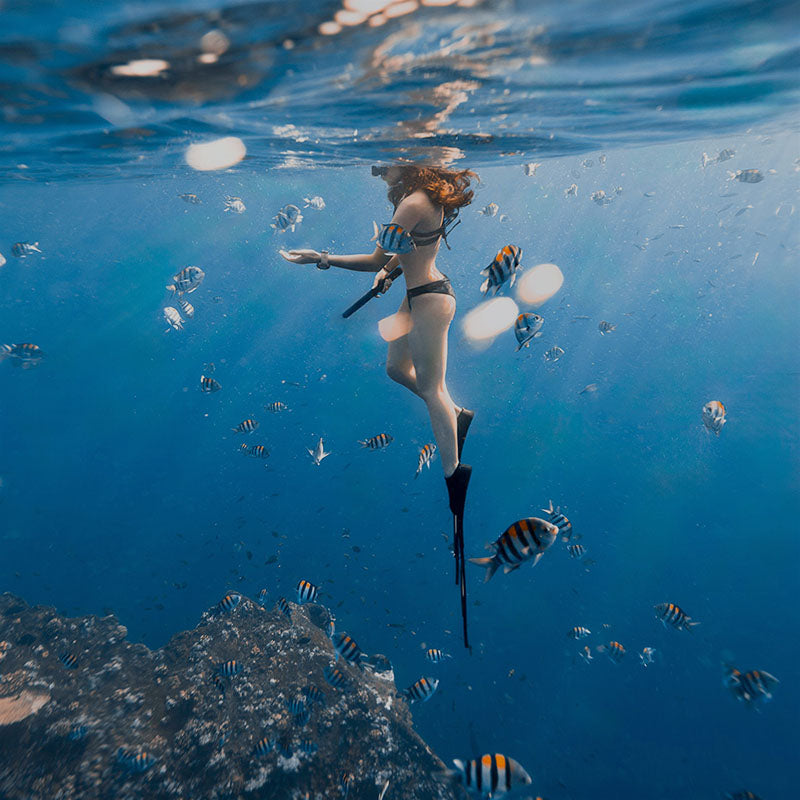
Alligator Reef (Islamorada). Marked by a 136-foot iron lighthouse that's visible from miles away, this site sits right at the edge of the outer barrier reef. The lighthouse structure itself attracts massive baitfish aggregations — thousands of grunts, snappers, and sergeant majors shelter in its shade. A secondary site on the east side of the lighthouse drops into a deeper canyon wall with significantly larger marine life. This is the best single site in the Middle Keys for sheer quantity of visible wildlife.
Sombrero Reef (Marathon). A spur-and-groove reef formation in the Sombrero Key Sanctuary Preservation Area, with coral ridges rising up to 10 feet off the ocean floor and channels between them perfect for following fish through. Six to 25 feet deep, accessible by boat tours from Marathon. The spur-and-groove structure creates more topographic interest than flat patch reefs — you follow canyons between coral ridges rather than hovering over a single formation.
Looe Key Reef (Big Pine Key). Often called one of the most beautiful reef sections in the Keys, this site sits right on the outer barrier reef edge in the lower-middle Keys. Deeper than Cheeca Rocks or Sombrero, and more demanding in terms of swim conditions — you're on the ocean side of the barrier, so current and surge are more present. Giant groupers, barracuda, and sharks are occasional sightings here; the open water position brings in larger pelagic species that patch reefs closer to shore don't see. Best suited for confident snorkelers or those with fins and surface experience.

Is John Pennekamp Coral Reef State Park Worth It?
Yes, but with an important clarification about what you're getting. John Pennekamp is the most famous snorkel destination in the Florida Keys and the first underwater park in the United States — 70 square nautical miles of ocean area off Key Largo. It's worth visiting, but the park's protected status and popularity mean the reef sections near the boat launch are some of the more visited — and correspondingly more worn — sections of the Keys reef.
The best experience at Pennekamp is the guided boat tour to offshore reef sections, typically 5 to 7 miles from the launch, where depths run from 5 to 15 feet over protected shallow reef. The famous Christ of the Abyss statue (a replica of the Italian original, submerged in 25 feet of water since 1965) is frequently on Pennekamp tour itineraries and is a genuinely distinctive experience — a 4,000-pound bronze figure of Christ rising from the seafloor, now substantially encrusted with marine growth.
What Pennekamp doesn't offer: shore snorkeling comparable to what Caribbean beach destinations provide. The mangroves and seagrass at the park's shoreline are ecologically important but not visually exciting. The reef requires a boat trip. If you're not booking a guided tour, the Pennekamp park area itself is a pleasant but unremarkable base.
Molasses Reef, accessible by tour from Key Largo and just outside Pennekamp's boundary, is often rated higher than Pennekamp's main reef sections by experienced snorkelers for coral density and fish variety. Tours to Molasses from operators in Key Largo — such as Sea Dwellers or similar — often provide better actual reef access than the Pennekamp in-park options.
Can You Snorkel the Florida Keys Without Taking a Boat?
Shore snorkeling options in the Florida Keys are limited but exist. The honest answer is that the barrier reef sits far enough offshore that meaningful reef access generally requires a boat. However, a few sites provide legitimate shore snorkeling:
Fort Zachary Taylor Historic State Park (Key West). The most practical shore-access snorkeling in the Keys. Enter from the beach on the park's south side, where the rocky substrate transitions to seagrass and small reef formations at 50 to 100 meters from shore. Lobsters, yellow snapper, parrotfish, and variety of coral can be found without a boat ride. This is also the most accessible beach in Key West for swimming in general. Park entrance fee applies. Snorkel gear available for rent at the park.
Bahia Honda State Park (Big Pine Key). Mediocre snorkeling by reef standards — the water is shallow, visibility is inconsistent, and the reef structure is limited. Worth doing if you're camping at the park or are specifically limited to shore access. The park also runs boat tours to Looe Key Reef for guests who want proper reef snorkeling from the same location.
Cannon Beach (John Pennekamp, Key Largo). A short walk from the park's main area, Cannon Beach has small coral heads and tropical fish visible from the shore, along with the park's two cannons. Best for children who want to see fish without an offshore boat trip — depths of 1 to 3 meters and calm water inside the park's protection. Not reef snorkeling in the barrier sense, but accessible and reliably pleasant for beginners.

What Happened to Florida Keys Coral in 2023, and Does It Still Matter?
In the summer of 2023, water temperatures in the Florida Straits reached record highs — up to 38°C in some shallow inshore areas — and held there for an extended period. The resulting coral bleaching event was the most severe on record for the Florida Reef. NOAA monitoring documented widespread bleaching across the Florida Reef Tract, and subsequent surveys found significant coral mortality at many sites.
The practical impact for snorkelers in 2026: reef quality at some sites is measurably reduced from what was accurate in guides written before 2023. The Middle Keys sites (Cheeca Rocks, Alligator Reef, Sombrero) fared better than average because of their exposure to Atlantic circulation. Key Largo reef sections, which are more sheltered, experienced more cumulative heating and higher bleaching rates. Before any specific reef trip, check with the local dive operator about current conditions — operators working those reefs daily will give you accurate current reports that no travel guide can.
Reef recovery is ongoing. Some coral species recover quickly; others take years to decades. The Florida Keys reef is not dead, but it is recovering, and different sites are at different stages. Current over archived information, always.
What's the Best Time of Year to Snorkel the Florida Keys?
Summer and early fall produce the warmest, clearest water for Florida Keys snorkeling — counterintuitively the opposite of when most people visit. Water temperature peaks in August and September (84–86°F), trade winds are relatively calm, and the barrier reef visibility is at its seasonal best. The main downside is summer afternoon thunderstorm activity, which is typically brief but can cause boat tour cancellations. Early morning departures generally beat the weather.
Winter brings cooler water (68–73°F in December through February), which is cold enough to require at least a 1mm rash guard or thin wetsuit for comfortable snorkeling, and occasionally too cold for extended surface sessions. Winter water clarity can be excellent, and some reef species (like certain grouper) are more active in cooler temperatures. The primary cold-season issue is occasional cold fronts that create rough conditions and close reef sites for days at a time.
Spring (March through May) is the Keys' high season for tourism — warm, calm water, good visibility, and prices to match. Best conditions for reef snorkeling occur in late April and May before summer patterns establish; March can still see cold fronts.

What Gear Do You Actually Need for Florida Keys Snorkeling?
The reef's depth profile makes fins more important in the Florida Keys than in many other destinations. While some shallow patch reef areas top out at 5 to 8 feet and allow effortless hovering, the most interesting sites — Alligator Reef's canyon wall, Looe Key's outer edge, Sombrero's spur-and-groove system — put you at 15 to 25 feet with current. Fins give you the control to hold position over a spur, angle down to look into a crevice, and return to the surface without exhausting yourself fighting current.
A wetsuit or thick rash guard is worthwhile in any month outside of June through September. At 72°F (22°C), which is common in January through March, unprotected snorkeling becomes uncomfortable within 20 to 30 minutes for most people. A 2mm shorty wetsuit extends comfortable sessions to 60+ minutes at these temperatures and provides the secondary benefit of positive buoyancy that reduces swimming effort over the full session.
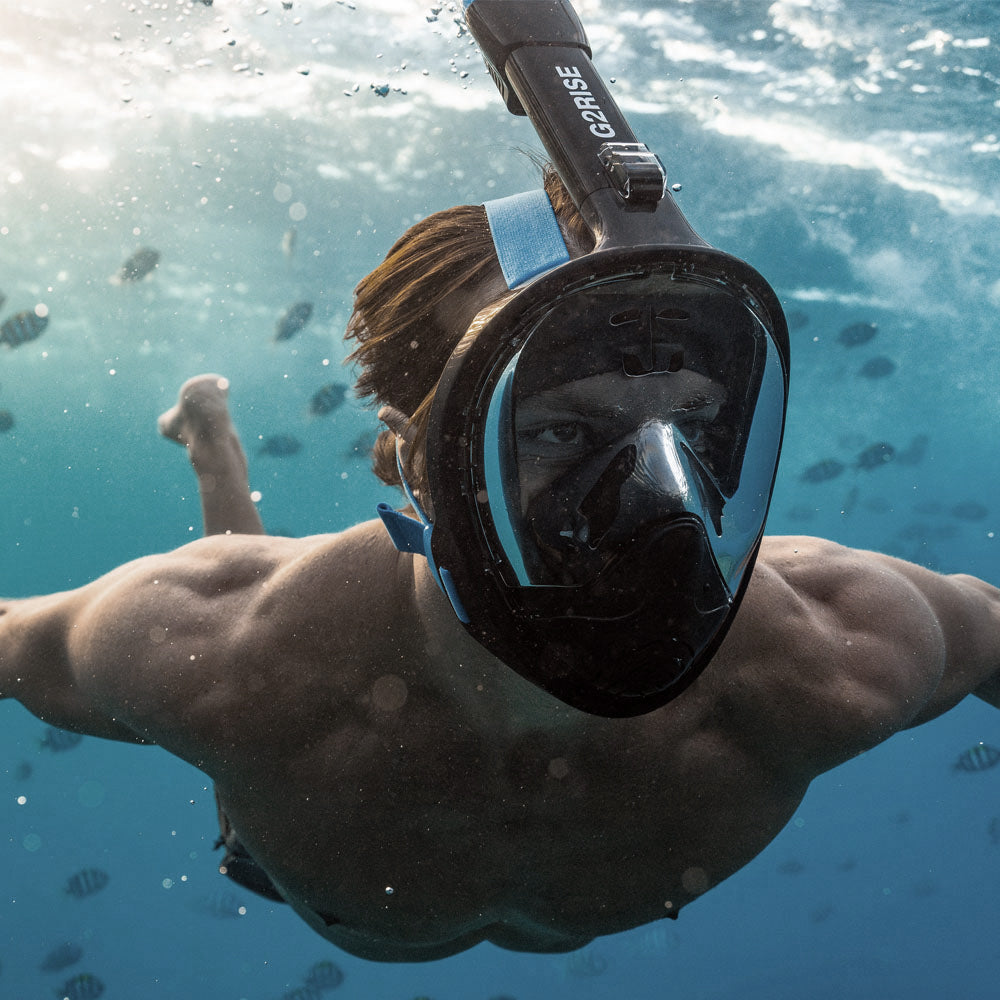
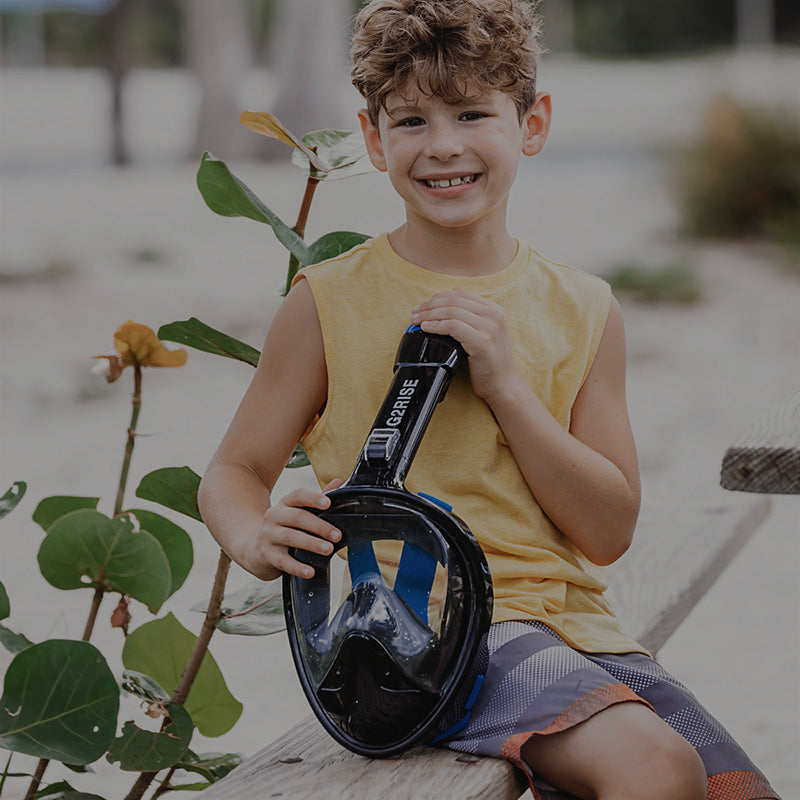
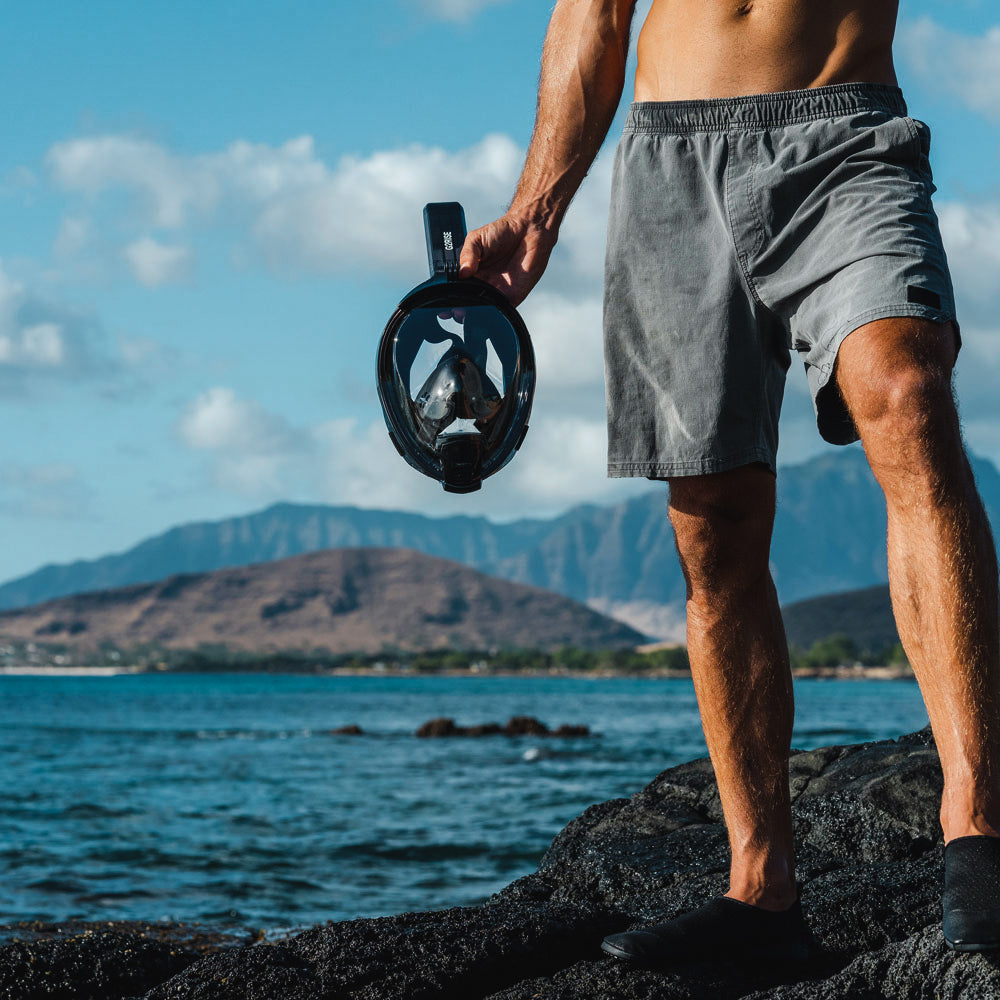
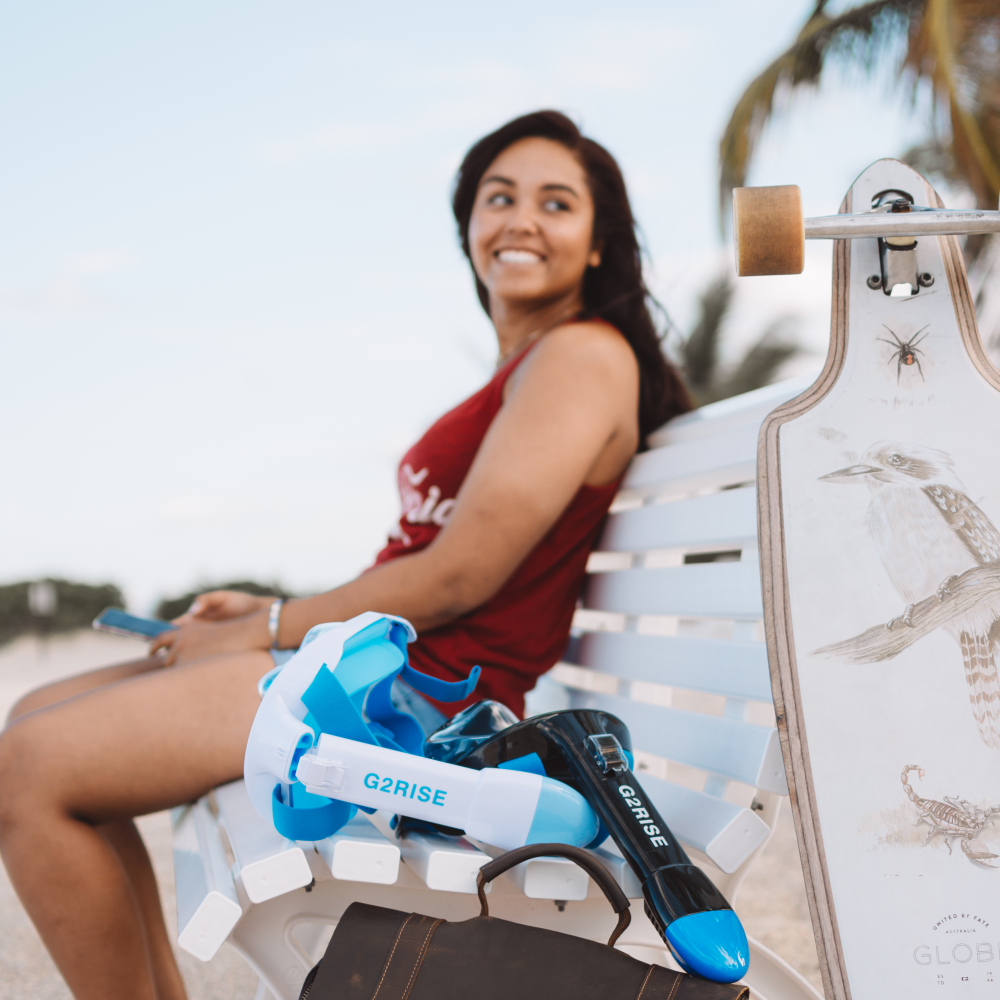
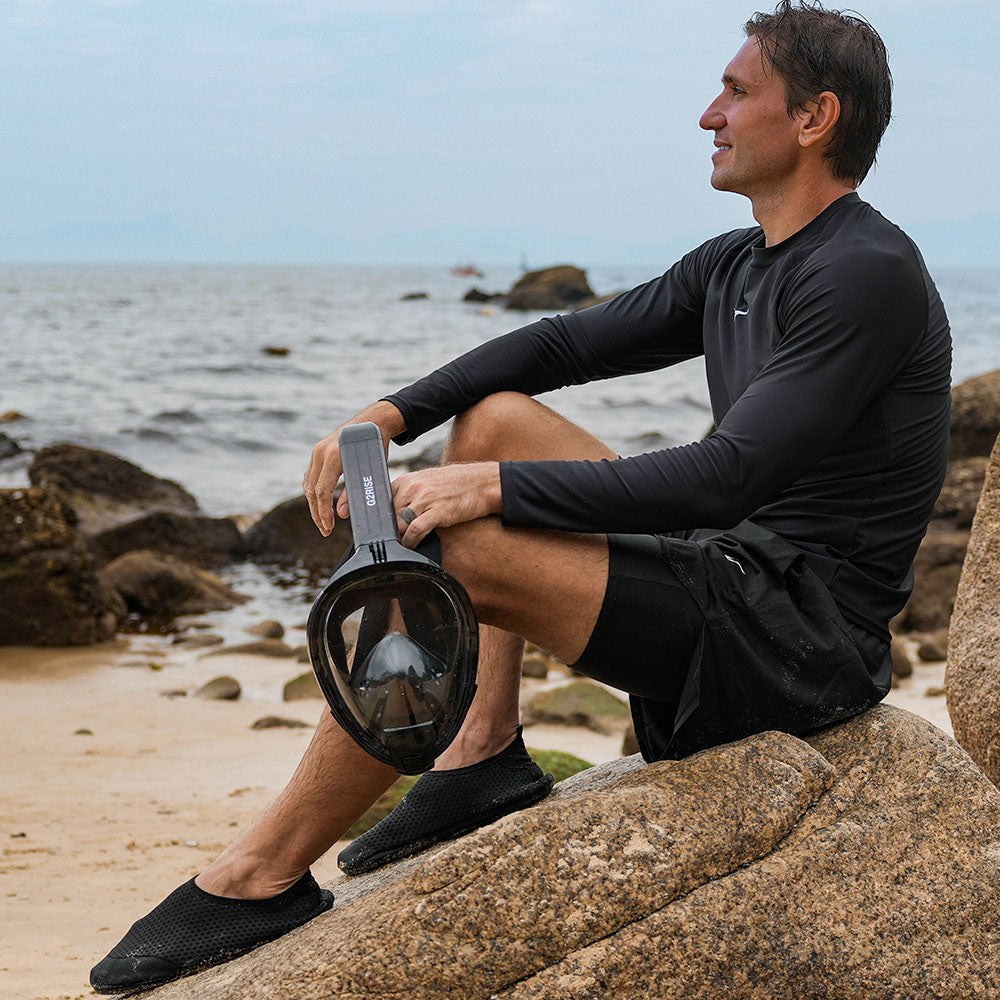
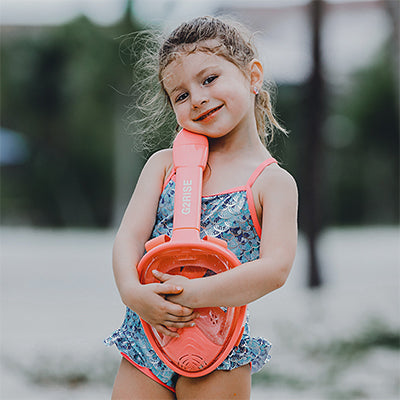
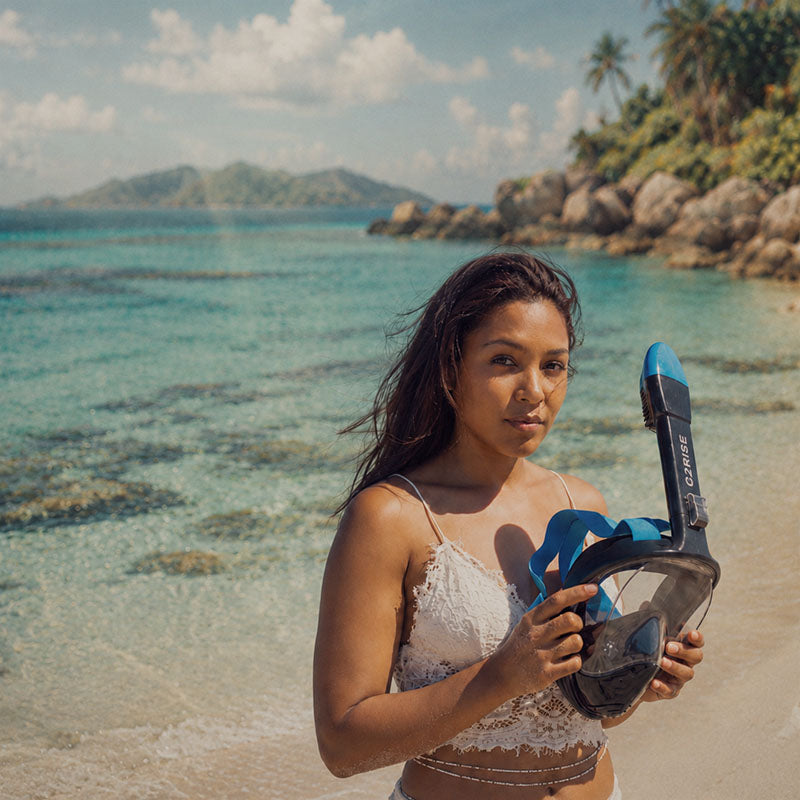
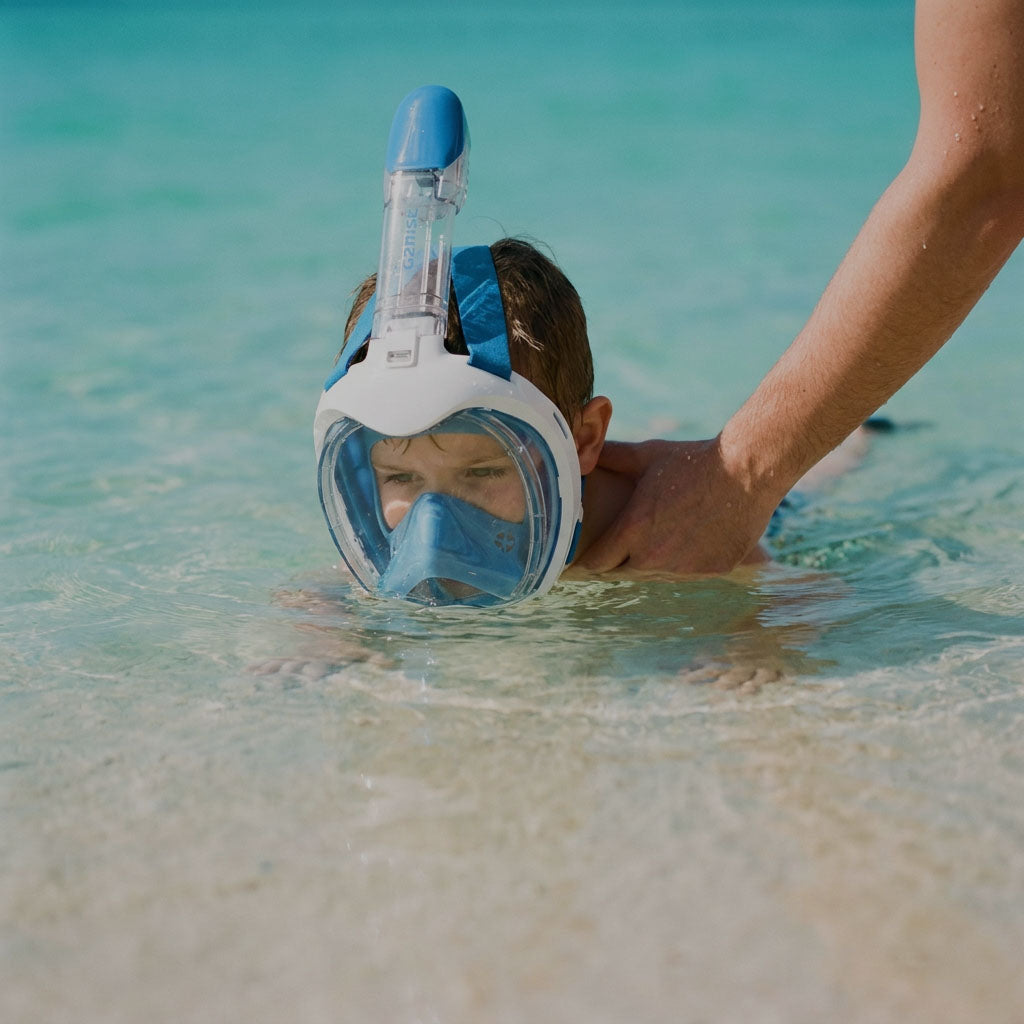
G2RISE's SN01 snorkel set is designed for the typical reef snorkeling scenario — extended surface observation, occasional duck dives to 3 to 5 meters for a closer look, with the need to clear your snorkel efficiently after surfacing. The dry-top mechanism prevents the intake of wave splash during active surface swimming between reef sections, which matters more than it might seem after a 15-minute swim from one section of Sombrero to the next.
Quick Reference: Florida Keys Snorkeling by Key
- Key Largo: John Pennekamp (famous, good guided tours, Molasses Reef better than park interior), Molasses Reef (dense coral, boat access)
- Islamorada (Middle Keys): Cheeca Rocks (patch reef, excellent fish), Alligator Reef (lighthouse, massive fish aggregations, canyon wall)
- Marathon (Middle Keys): Sombrero Reef (spur-and-groove, 6–25ft, best for active snorkelers), Bahia Honda (shore access, limited)
- Big Pine Key (Lower Keys): Looe Key (outer barrier edge, large fish, best for experienced snorkelers)
- Key West: Fort Zachary Taylor (best shore access in Keys), offshore reef tours for open-water sites

Leave a comment
This site is protected by hCaptcha and the hCaptcha Privacy Policy and Terms of Service apply.