
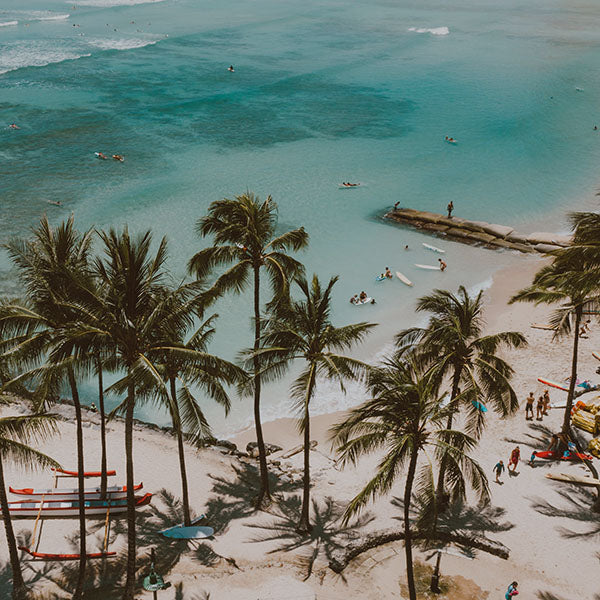
Hawaii is one of the most anticipated snorkeling destinations in the world — and one of the most confusing to plan because almost every guide was written before 2023. That summer, water temperatures in the Florida Straits and Pacific reached record highs, triggering a catastrophic coral bleaching event across the Hawaiian Islands. Some snorkel sites that ranked first in guides written before that event now show significantly degraded reef. Knowing which spots came through in reasonable condition versus which are beautiful beaches over ghost reefs matters more than any other planning decision you'll make.

How Bad Was the 2023 Coral Bleaching in Hawaii, and Which Islands Were Hardest Hit?
The short answer: significant but uneven. The 2023 bleaching event affected all four major snorkeling islands, but the distribution wasn't uniform — sites with stronger water circulation and deeper profiles fared better than shallow, protected bays where heat accumulates. Sites that were already somewhat stressed from prior bleaching events or high visitor impact took harder hits.
The practical takeaway for snorkelers: coral coverage and color have declined noticeably at many previously top-ranked sites, particularly in Maui's Honolua Bay and several of Oahu's shallow spots. However, deeper fringing reef sections, sites exposed to open-ocean current flow, and the Big Island's volcanic lava-rock reef formations have shown more resilience. Current reports from dive operators — which you should check in the week before your trip — are more reliable than any guide written in the past two years, including this one.
Which Hawaiian Island Is Best for Snorkeling Right Now?
The Big Island has become the most recommended choice for snorkelers who prioritize marine life over coral coverage. Here's the practical island-by-island breakdown:
Big Island (best for marine life, best overall post-bleaching). The Big Island's west coast reef is primarily built on volcanic lava formations rather than fragile branching coral, which made it more resilient to temperature stress. Kealakekua Bay, accessible either by kayak, boat tour, or a steep 3km hike down from the Captain Cook Monument trailhead, has exceptional water clarity (often 100+ feet of visibility) and a resident spinner dolphin population. Important note: the Marine Life Conservation District rules prohibit swimming with spinner dolphins if the dolphins are in a resting state — they typically rest in bays during mid-morning, so tours departing at 8 AM often encounter them feeding, while 10 AM arrivals find them resting. Two Step (Honaunau Bay) offers excellent shore entry over a natural lava shelf and consistently shows turtles, eels, and diverse reef fish populations. Manta ray night snorkeling off Kona's Garden Eel Cove is a completely different category of experience — in-water observation of Pacific manta rays (wingspan to 14 feet) in as little as 20 to 40 feet of water, lit from below by dive lights.
Maui (good corals on west coast, variable post-bleaching). Maui still has the most turtle sightings of any island, concentrated in the area called Turtle Town near Olowalu on the west coast. Molokini Crater, a crescent-shaped volcanic caldera 2.5 miles offshore from Maalaea Harbor, is accessible only by boat charter and offers the island's clearest water and best coral visibility — the crater's structure creates a sheltered snorkeling zone on the inner wall and a more advanced outer wall for experienced swimmers and divers. Honolua Bay, a Marine Life Conservation District in northwest Maui, is seasonally restricted: summer only (roughly April through October). Winter swells from the northwest make it dangerous and often inaccessible.
Oahu (best for beginners, famous but crowded). Hanauma Bay Nature Preserve is the most structured snorkel experience in Hawaii — required safety video, advance reservations (mandatory for non-Hawaii residents, book at hanaumabay.hawaii.gov up to two days ahead), and a $25 entry fee. The bay is protected from wave action and features 300+ fish species in shallow, calm water, making it genuinely excellent for first-time snorkelers or those bringing children. The catch: it closes Tuesdays, limits daily visitors, and fills its reservation slots weeks in advance in peak season. Shark's Cove on the North Shore is a summer-only site — the name is for the shape of the rock formation, not the wildlife — that offers exceptional underwater topography for more experienced swimmers. Avoid October through April entirely; North Shore winter swells make it dangerous.
Kauai (summer only on north shore, calmer south shore year-round). Tunnels Beach (Makua Beach) on Kauai's north shore has one of the most extensive reef lagoons in the state, with sea turtles and the occasional Hawaiian monk seal. Like Honolua Bay on Maui, this is a summer-only destination — the same northwest swells that create famous surf in winter make the north shore impassable for snorkelers. Poipu Beach on the south shore is calmer and more consistent year-round, though less spectacular in terms of reef structure.

What's the Leeward Rule, and Why Does It Matter for Planning?
Every Hawaiian island is oriented with a wet windward side (facing northeast trade winds) and a dry leeward side (facing southwest). Rainfall on the windward side creates runoff that reduces water clarity, lowers visibility, and introduces sediment — the opposite of snorkeling conditions. Nearly all the best snorkeling in Hawaii is on the leeward, western coasts of each island. This rule has exceptions (Hanauma Bay faces southeast, and Tunnels Beach faces north), but as a first filter when evaluating any snorkel site, check which coast it's on.
The same dynamics affect daily conditions: if trade winds pick up in the afternoon, they create chop on north and east-facing shores before south and west-facing ones. Morning sessions at any site are typically calmer than afternoon sessions, regardless of season.
Which Sites Are Shore Access vs. Boat Required?
This question is rarely answered directly in Hawaii snorkeling guides, but it changes the trip planning significantly:
- Shore access (no boat needed): Hanauma Bay (Oahu), Shark's Cove (Oahu, summer), Two Step/Honaunau Bay (Big Island), Poipu Beach (Kauai), Olowalu/Turtle Town (Maui, shore entry over sandy bottom)
- Boat required: Molokini Crater (Maui), Manta Ray Night Snorkel (Big Island, boat tours leave from Kailua-Kona area), Kealakekua Bay (boat or kayak; hiking trail is an alternative but the 3km/6km round-trip in tropical sun is significant)
- Boat or hike: Kealakekua Bay (Big Island) — morning hike down Captain Cook Monument trail takes 45 to 60 minutes; afternoon is recommended because guided tour boats have left by 4 PM
When Is the Best Time of Year to Snorkel Hawaii?
Counter-intuitive answer: summer is generally better for snorkeling than the peak winter travel season. Here's why:
Winter (November through March) is Hawaii's wet season and coincides with large northwest swells. These swells close north-shore sites entirely and create surge at west-coast sites that can make even protected areas choppy. Hanauma Bay on Oahu's south shore remains accessible in winter; the Big Island's west coast is more sheltered. But spots like Shark's Cove, Tunnels Beach, and Honolua Bay are completely off-limits in winter.
Summer (June through September) offers calmer water on virtually all coasts, warmer temperatures (water 78–82°F), and sites that are unavailable in winter. The trade-off is slightly higher visitor volume in June and July. Early June and September offer summer conditions with smaller crowds.
One summer-specific draw: whale shark tours operate seasonally off the Big Island, typically June through September, when these planktonic-feeding giants appear in Hawaiian waters. These tours require permits and are distinct from standard reef snorkeling.
What Practical Details Do Most Hawaii Snorkeling Guides Skip?
A few logistics that come up repeatedly but rarely appear in snorkeling guides:
Hanauma Bay reservations are non-negotiable in peak season. Walk-up entry is technically possible (for slots not claimed online) but unreliable from November through March and during school holidays. Book at hanaumabay.hawaii.gov two days in advance; slots open at midnight HST. Children under 12 are free.
Hawaiian spinner dolphins have legal protection from swim-with encounters. NOAA regulations prohibit approaching spinner dolphins within 50 yards by any means — swimming, kayaking, or boating — when they're in a resting state. Violations carry fines. Many dolphins shelter in bays during daylight hours to rest; morning tours encounter them feeding, which is when observation is permitted. Check with tour operators about current conditions.
Reef-safe sunscreen is law, not just preference, in Hawaii. State law (Act 104) prohibits sunscreens containing oxybenzone and octinoxate. Most convenience stores and drugstores in Hawaii now carry mineral-filter alternatives, but bring your own if you have a preferred brand — reef-safe options in tourist areas can be expensive.
Water shoes matter for lava entries. Two Step and Kealakekua Bay involve entry over rough lava shelves. Open-heel fins with neoprene booties are the practical choice; barefoot entry on lava is painful and damages both feet and reef organisms.
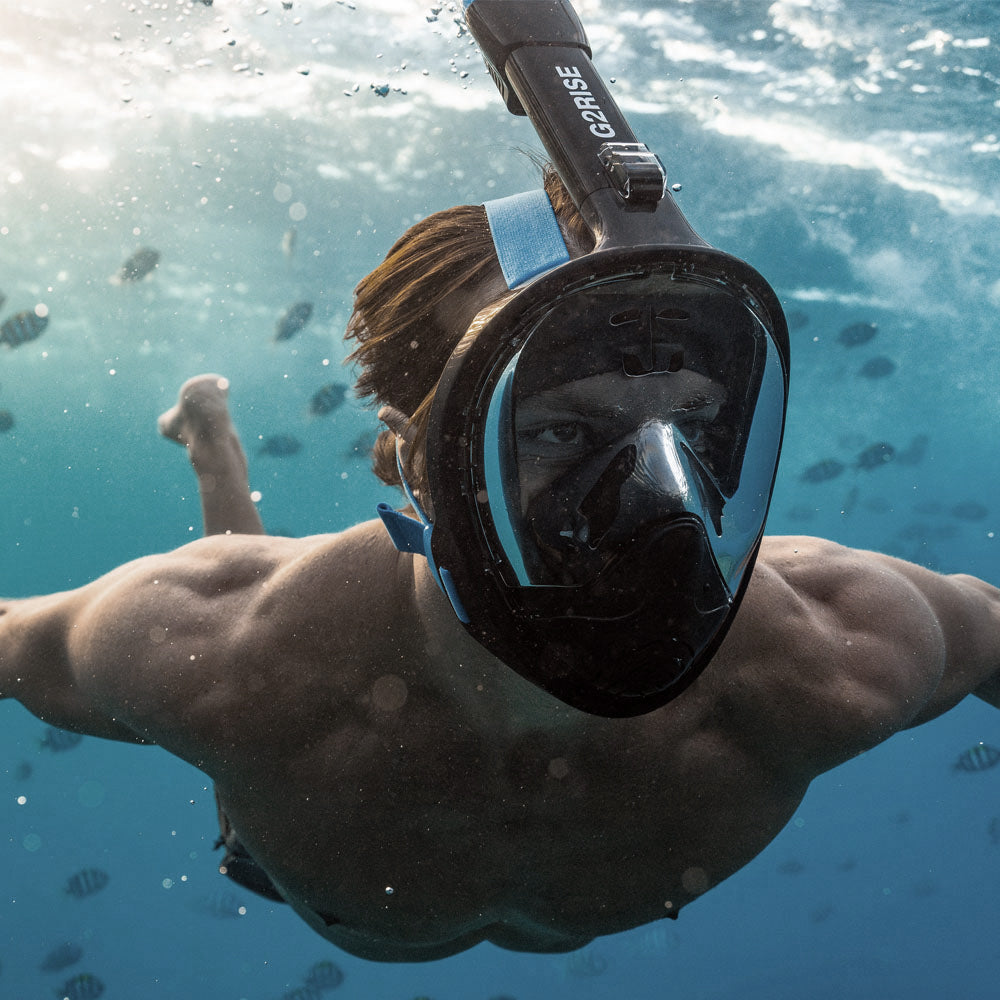
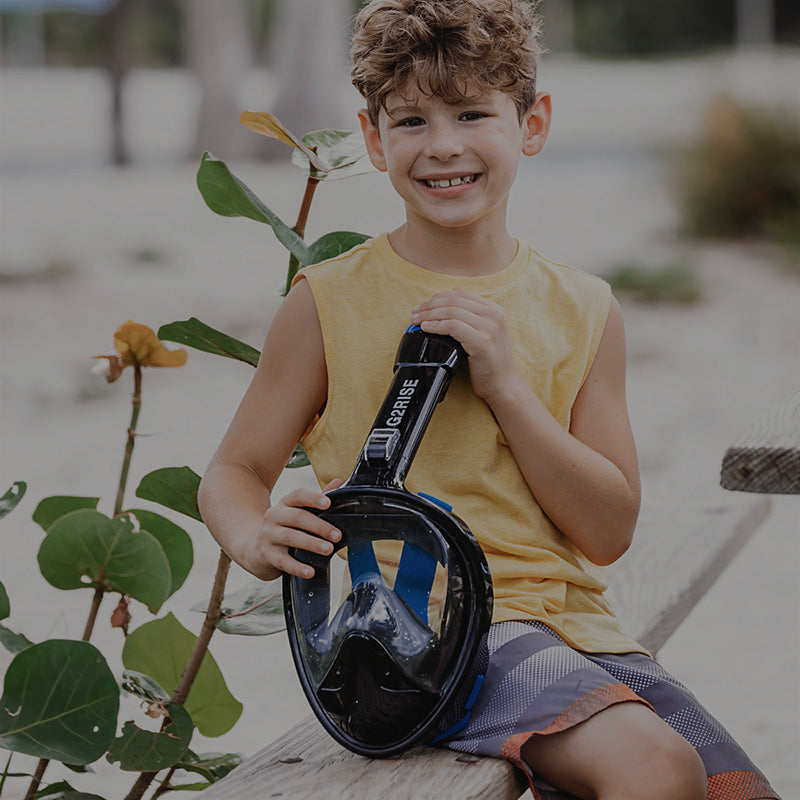
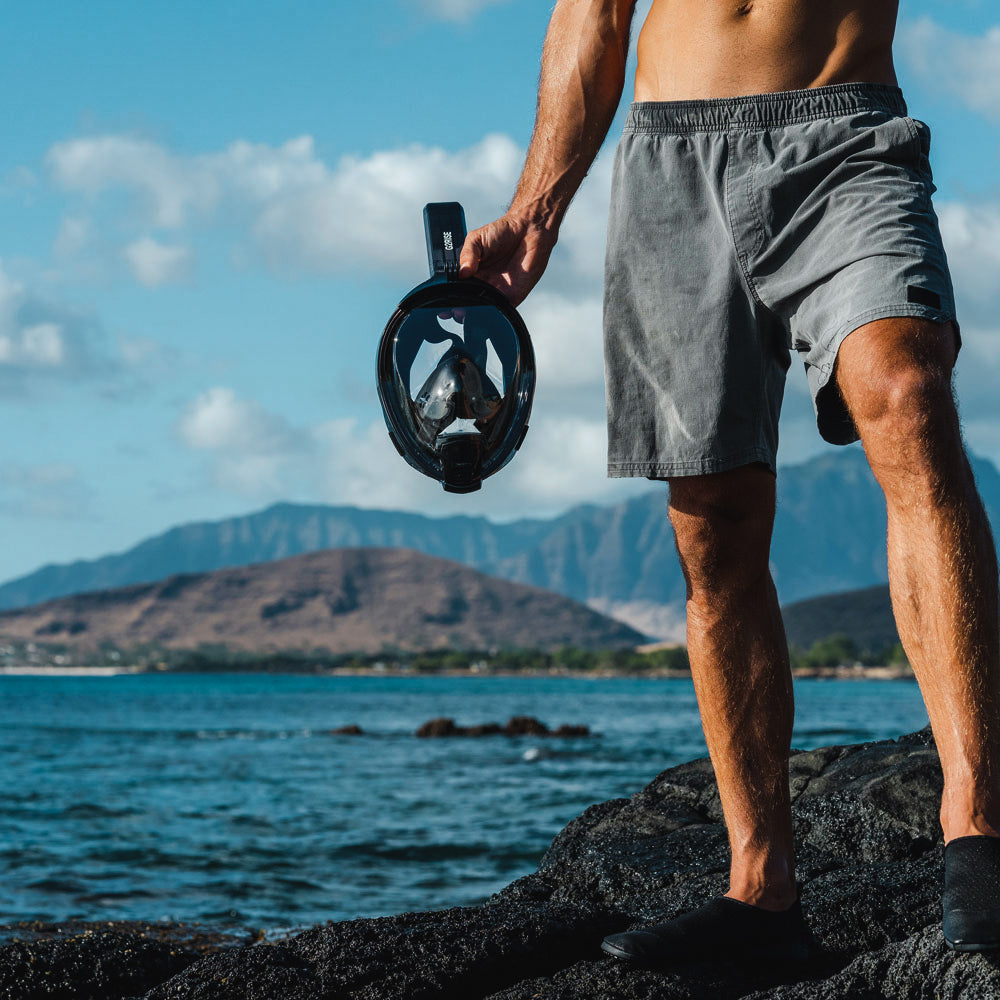
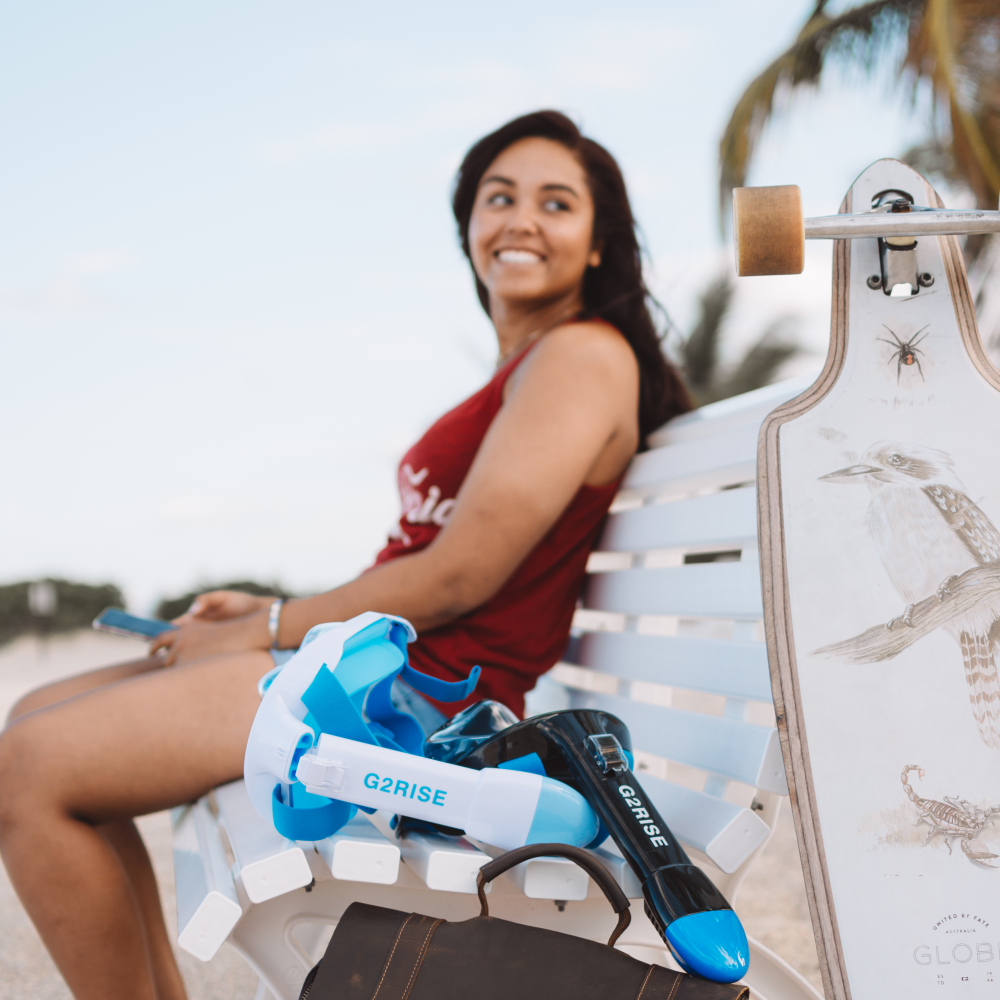
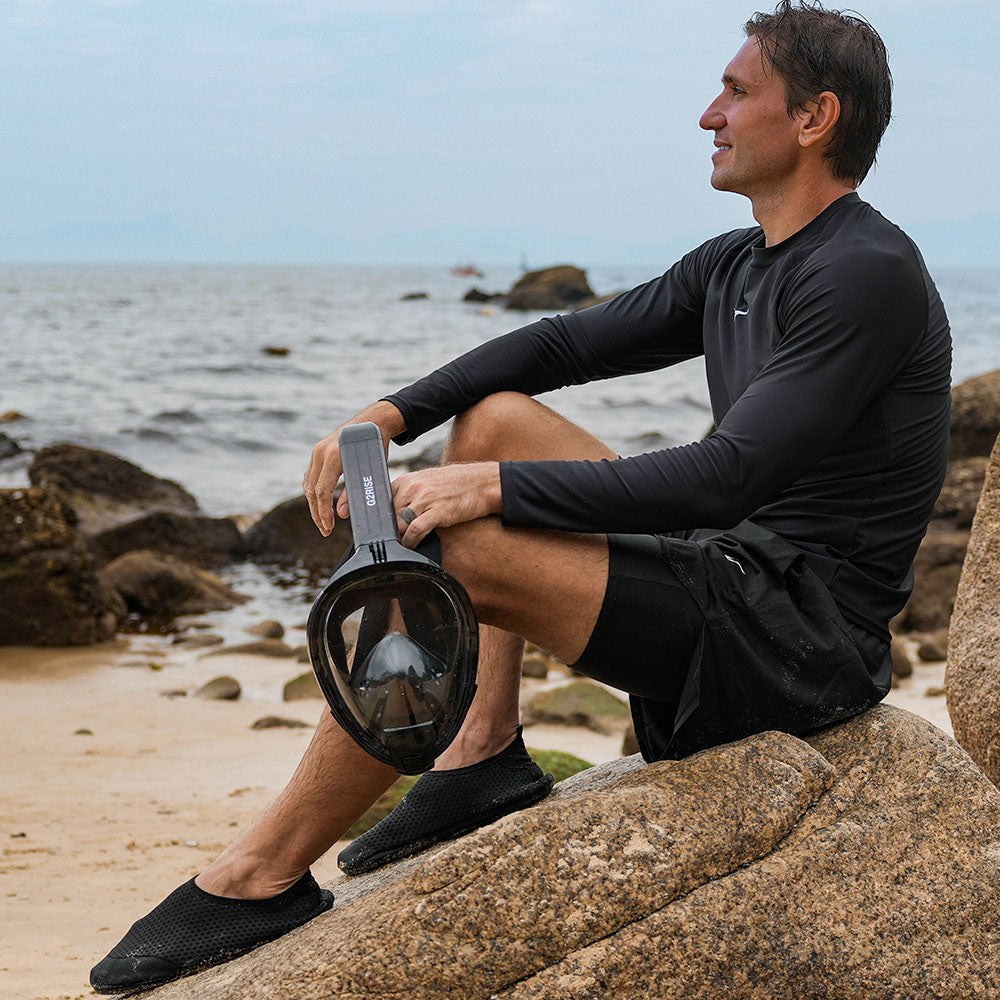
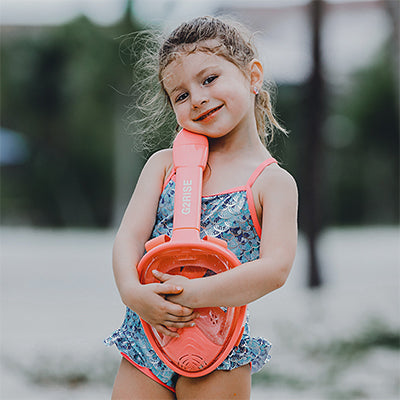
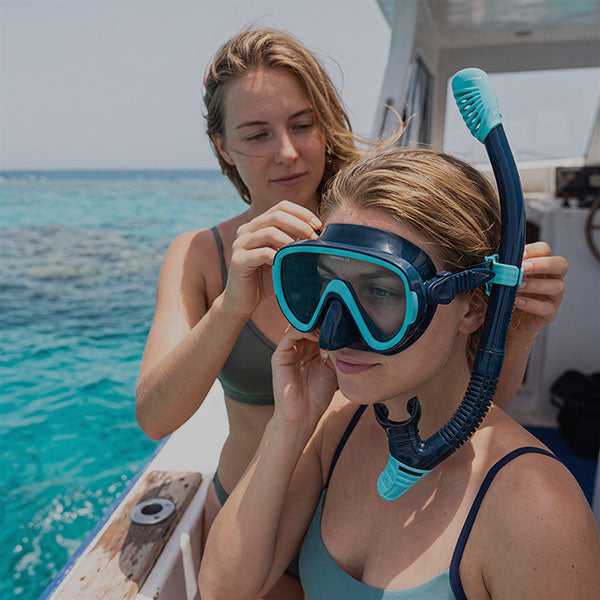
G2RISE's SN01 snorkel set handles the range of Hawaiian conditions — clear calm water at Hanauma Bay through moderate surge at Two Step — without the weight and complexity of dive equipment. The dry-top snorkel prevents wave splash ingestion when you're focused on what's below rather than what's happening at the surface.

Quick Reference: Hawaii Snorkeling by Visitor Type
- First-time snorkelers: Hanauma Bay (Oahu) — controlled environment, clear water, 300+ species, beginner-safe depths
- Best marine life: Kealakekua Bay (Big Island) — dolphins, reef fish, exceptional visibility; Manta Ray Night Snorkel (Big Island)
- Best for turtles: Olowalu/Turtle Town (Maui), Two Step (Big Island)
- Summer-only, advanced swimmers: Shark's Cove (Oahu), Tunnels Beach (Kauai), Honolua Bay (Maui)
- Best year-round without boat: Two Step/Honaunau Bay (Big Island), Poipu Beach (Kauai), Hanauma Bay (Oahu)
- Bucket list experiences: Molokini Crater (Maui), Manta Ray Night Snorkel (Big Island)

Leave a comment
This site is protected by hCaptcha and the hCaptcha Privacy Policy and Terms of Service apply.