

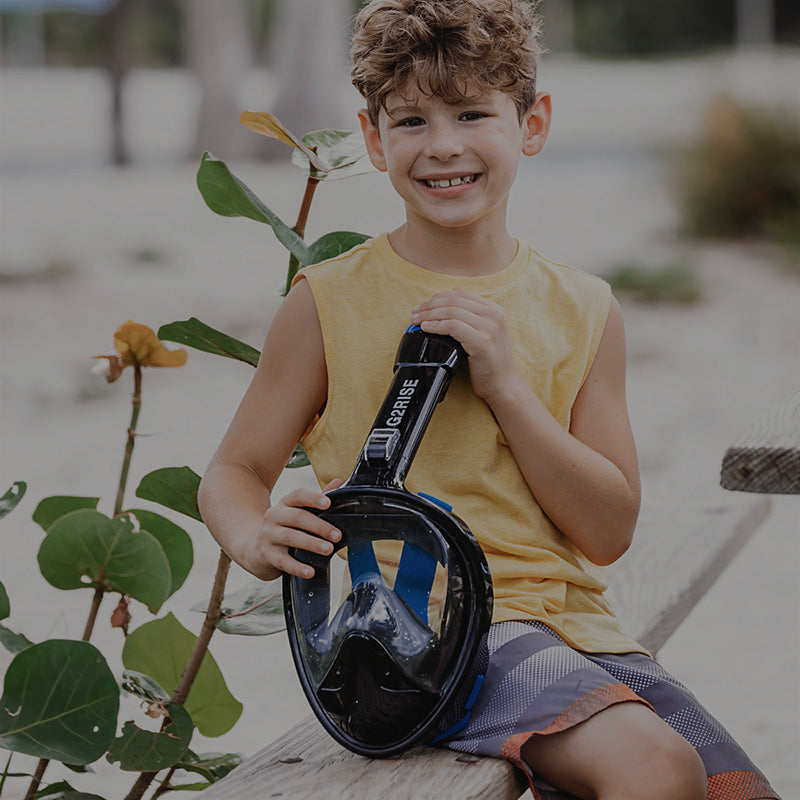



A quality snorkel mask, cleaned correctly after every use, can last 10 to 20 years. Most people's masks fail at 2–4 years — not from use, but from cleaning mistakes that destroy the silicone skirt and degrade the lens coating faster than saltwater ever would. The good news: proper mask care takes about three minutes and requires nothing you don't already own.

Why Does Cleaning a Snorkel Mask Actually Matter?
Salt crystals are abrasive. Left in the folds of a silicone skirt or along lens edges, they form a grit layer that degrades the material over months of storage. Saltwater also promotes mold and bacteria growth inside the snorkel tube — buildup you can't see but absolutely breathe in. Chlorine from pool use is chemically aggressive on silicone, breaking down the polymer chains that give the skirt its flexibility. UV exposure through direct sun degrades both the silicone and the lens coating over time. Ignore any one of these, and you'll shorten your gear's useful life significantly without realizing why.
What Should You Never Use to Clean a Snorkel Mask?
More masks are damaged by the wrong cleaning products than by heavy use. Before covering what works, here's what to keep entirely away from your mask:
- Alcohol or alcohol-based cleaners: Alcohol strips the plasticizers from silicone, causing it to stiffen and eventually crack. This includes rubbing alcohol, hand sanitizer, and alcohol-based lens cleaners. Even dilute concentrations used repeatedly accumulate damage that can't be reversed.
- Petroleum-based products: Vaseline, petroleum jelly, mineral oil. These degrade silicone polymer chains over time and are difficult to remove completely. They also cloud polycarbonate lens frames and attract debris.
- Bleach applied directly to silicone: A very diluted bleach solution can disinfect the inside of a snorkel tube in specific circumstances, but direct contact with the silicone skirt causes material deterioration. If disinfection is needed, use an alcohol-free antibacterial solution or diluted baby shampoo.
- Abrasive scrubbers or scouring pads: Silicone scratches. Tempered glass lenses are hard but not scratch-proof. Soft contact only — fingertips or a soft sponge.
- Hot water above 49°C (120°F): Heat distorts the silicone skirt's molded shape. No dishwasher, no boiling rinse. Warm water is fine; hot is not.
- Aerosol sprays near the mask: Propellants in aerosol cans attack rubber and plastic components. This includes aerosol sunscreen applied while the mask is nearby.
How Do You Clean a Snorkel Mask After Each Use?
The most important cleaning step is also the most commonly skipped: rinsing immediately after you're out of the water, before saltwater dries and crystallizes. A 60-second fresh water rinse as soon as you're done prevents most of the long-term damage. Here's the full routine:
- Rinse with fresh water immediately. Remove the mask from your face and rinse the lens inside and out, the skirt, the strap, and the buckles. Many snorkel spots and dive boats have a fresh water rinse station — use it before you even dry off.
- Soak in warm soapy water for routine cleaning. At home, fill a basin with warm (not hot) water and a small amount of mild dish soap or baby shampoo. Submerge the mask for 5 minutes. Gently rub the skirt, strap, and frame with your fingers to dislodge salt and sand.
- Pay attention to the lens-frame junction. The edge where the lens meets the frame is a salt trap. Run your fingertip along this edge while the mask is submerged.
- Rinse thoroughly. Rinse until no soap residue remains — soap residue left on the lens causes fogging on your next use.
- Pat dry with a soft towel, then air-dry completely. Never store a damp mask. Mold forms in enclosed, moist environments faster than most people expect.

How Do You Deep-Clean a Snorkel Mask?
Do a deep clean every 3–5 uses, or any time the mask has been in heavily chlorinated water or a murky ocean environment. Deep cleaning adds two steps to the routine above.
For the mask body: after the initial soak, use a soft-bristled toothbrush to clean the skirt folds, nose pocket interior, and strap attachment points. These areas trap debris that finger-rubbing alone won't dislodge. Use gentle circular motion — don't scrub aggressively against the silicone.
For the snorkel tube: mold and bacteria grow inside the breathing tube between uses, and you can't address them with the same rinse that cleans the mask. Fill the tube with a 50/50 mix of white vinegar and water, cap both ends (fingers work fine), shake well, and let it soak for 5–10 minutes. Rinse thoroughly with fresh water. For stubborn buildup, a straw-cleaning brush pulled through the tube removes what soaking can't. Do this monthly if you snorkel regularly; before and after extended storage if you snorkel seasonally.
How Do You Protect the Silicone Skirt Specifically?
The silicone skirt is the most critical and most vulnerable component of the mask. Its flexibility is what creates the watertight seal — and flexibility is exactly what the three main threats destroy: alcohol, petroleum products, and UV light.
After each cleaning and drying, inspect the skirt briefly for early signs of degradation: fine surface cracks, any stiffness when you fold the skirt, or discoloration along the seal edge. Surface cracking in silicone means the material is losing elasticity. There's no way to restore degraded silicone — prevention is everything, and early detection tells you what's accelerating the damage.
Store the mask with the skirt not in contact with black rubber equipment. Black rubber pigments can migrate to a clear silicone skirt over extended storage, causing permanent yellowing. This is a common and easily avoidable problem — keep the mask in its own case or pouch, separate from fins, wetsuits, and other dive gear.
How Do You Store a Snorkel Mask Between Uses?
Masks stored correctly between seasons come back from storage in the same condition they went in. The enemies to control are heat, UV, humidity, and contact with other materials.
- Store in a cool, dry location out of direct sunlight. Avoid garages, car trunks, and beach bags left in the sun — these environments regularly exceed temperatures that accelerate silicone degradation.
- Use the original case or a breathable mesh bag. Avoid sealed plastic bags, which trap humidity against the silicone.
- Don't stack heavy items on top of the mask. Sustained pressure deforms the skirt shape, and distorted silicone doesn't return to its original profile easily.
- For long-term off-season storage, a very light application of pump-style silicone spray (not aerosol) on the exterior of the skirt conditions the material and prevents it from drying out during months without use.
How Do You Clean a Brand New Snorkel Mask Before First Use?
New masks fog persistently until you remove the silicone and mold-release film left over from manufacturing. This film is invisible but present on virtually every new mask lens, and it resists standard defog solutions completely. Two proven approaches:
Toothpaste method: Apply plain white toothpaste (non-gel, no whitening formula, no abrasive particles) to the inside of the lens. Rub in gentle circles for 5–10 minutes, covering the entire surface including the very edges. Rinse thoroughly. Repeat this process two more times for a total of three rounds. Most dive instructors who recommend this method say "three times" specifically because telling people to do it twice means they do it once, and once isn't enough to remove the full film.
Baby shampoo method: Scrub the lens inside and out vigorously with baby shampoo, rinse completely, and repeat three times. Baby shampoo is hypoallergenic, effective at breaking down the silicone film, and won't cause eye irritation if trace amounts remain after rinsing — an advantage over hand soap or dish soap if your rinse isn't thorough.
After the initial treatment, apply defog solution or saliva before every use. If the mask still fogs after treatment, there's residue remaining — repeat the cleaning cycle, not just the defog step.

When Should You Replace Your Snorkel Mask?
With proper care, a quality mask should last many years. The key replacement indicators are: visible cracking in the silicone skirt, a seal that no longer holds on the face-fit test (mask doesn't stay when you inhale through the nose without the strap), persistent fogging after correct defog treatment (indicates lens coating has degraded), or visible scratches or damage on the lens itself.
The skirt typically fails first — it's under mechanical stress every use and most exposed to chemical and UV degradation. If the lens is still excellent but the skirt has failed, check whether your mask model offers replacement skirts before committing to a full new mask purchase.
G2RISE's SN01 mask uses medical-grade silicone in the skirt, which makes a real difference in long-term durability. Higher silicone purity means better resistance to UV, temperature cycling, and cleaning chemicals — the three things that end most masks early. With the care routine above, a properly made silicone skirt should stay supple and seal-capable for many seasons of regular use. The difference between a $25 mask and a quality one isn't just initial fit — it's how long that fit holds up over time.



Leave a comment
This site is protected by hCaptcha and the hCaptcha Privacy Policy and Terms of Service apply.