
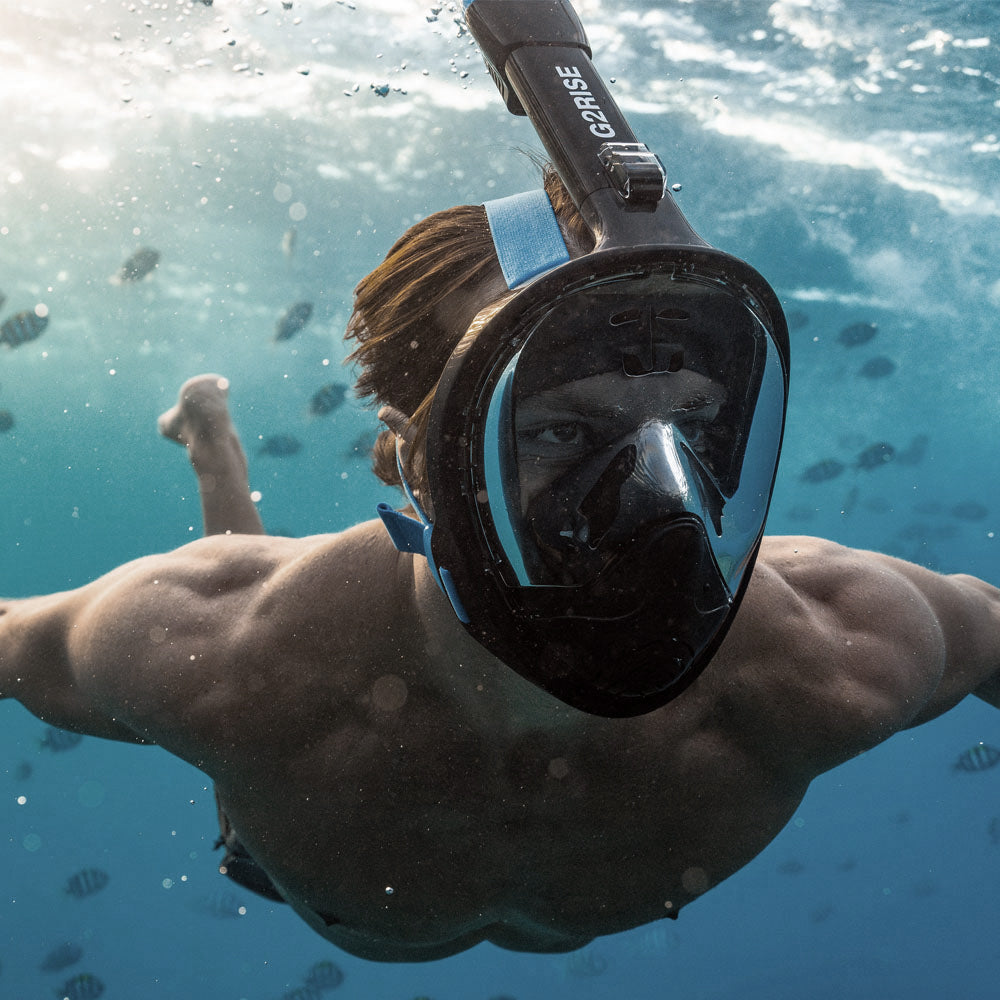
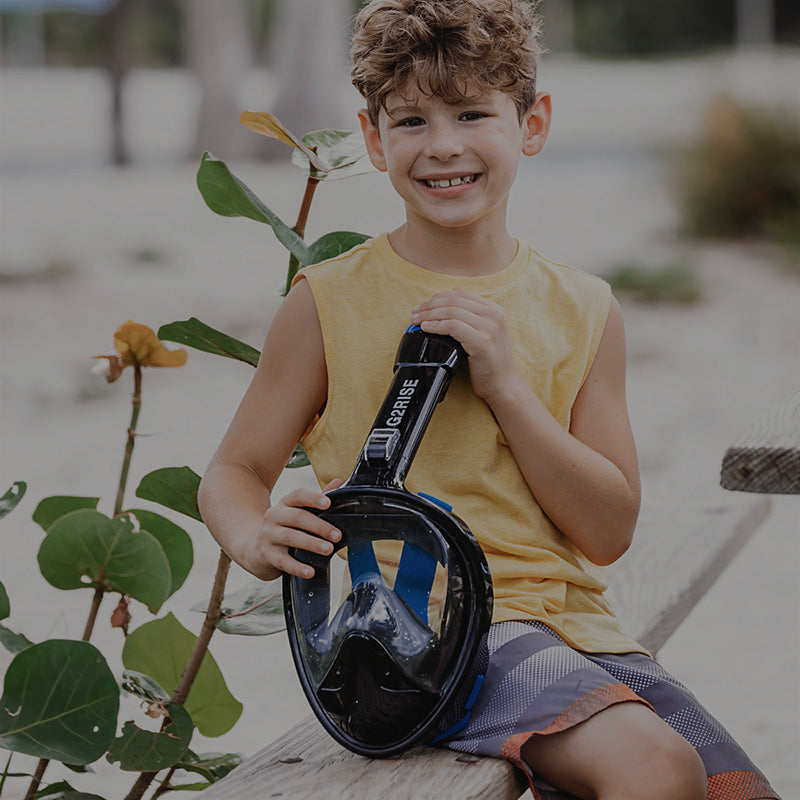
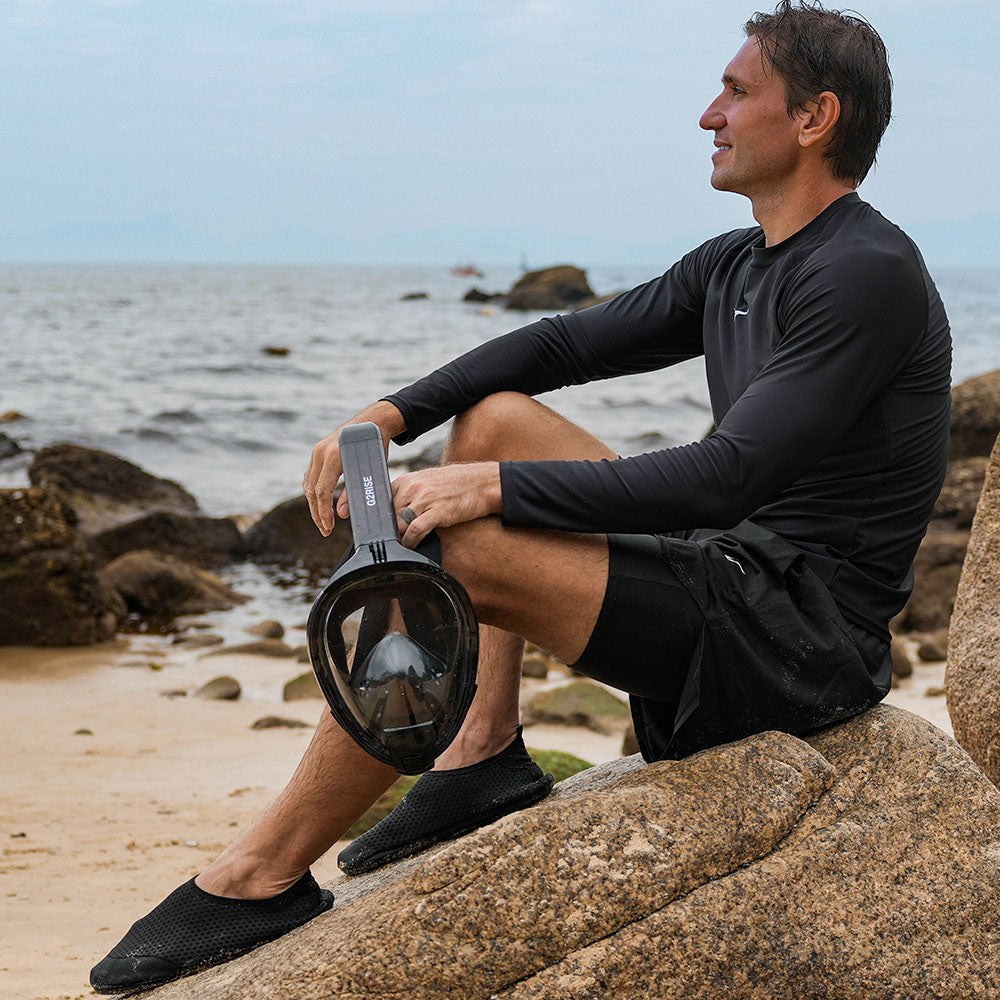
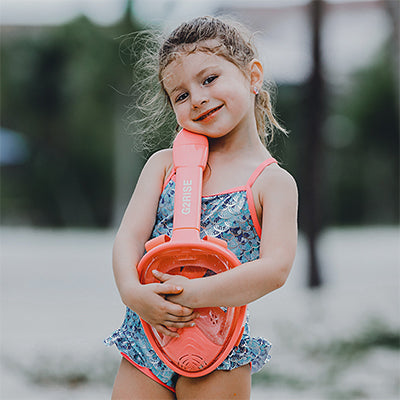
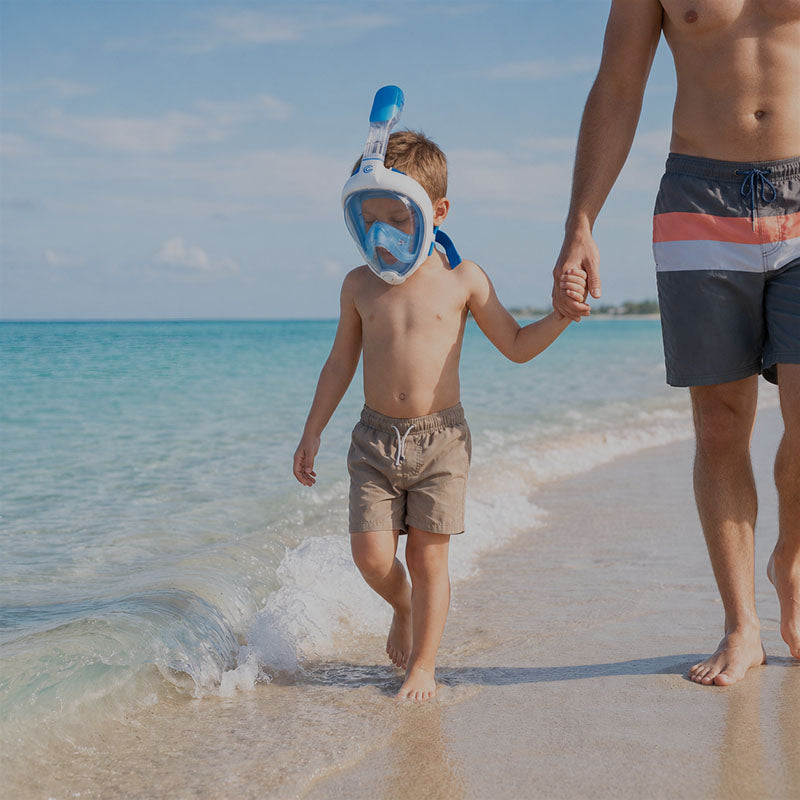
Children's snorkel gear should be chosen for confidence first and features second. On a family vacation, the goal is not to turn kids into expert snorkelers in one afternoon. The goal is to help them feel calm enough to float, breathe, look down, and enjoy the water without fighting a leaking mask or uncomfortable mouthpiece.
In 2026, more families are planning trips around active outdoor experiences, and snorkeling is one of the easiest ways to give kids a real nature memory. But the destination, cost plan, and gear choice all have to work together. A great reef with the wrong gear is not a great first experience. A simple calm-water session with the right mask can be.

What Children's Snorkel Gear Should Parents Buy First?
Start with the mask. The mask decides whether the child feels safe. It should seal without being tightened painfully, sit comfortably around the nose, and give enough view that the child does not feel trapped. A strap that pulls hair or a skirt that presses into the cheeks can end the session before it starts.
The snorkel comes next. A smaller mouthpiece usually works better for children, and a dry-top design can reduce accidental water entry. Still, no snorkel replaces supervision or practice. Children should try breathing through the snorkel before the family is on a boat or far from shore.
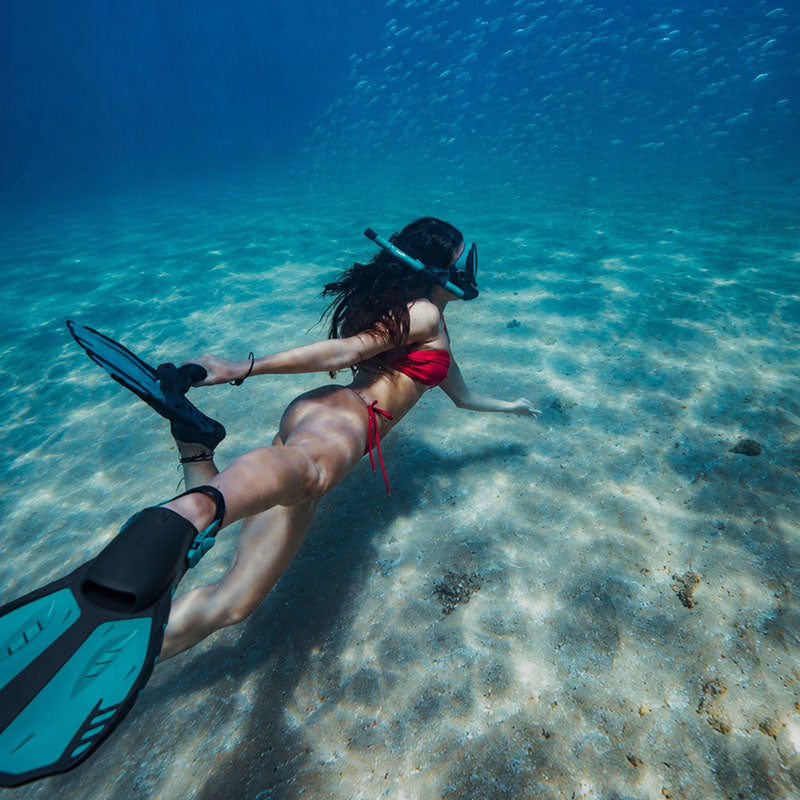
Fins are optional for many first trips. They help movement, but they can also make kids clumsy, especially in shallow water. If you bring fins, choose the right size and practice walking only where safe. Many families do better by focusing first on floating and breathing.
Which Snorkeling Destinations Are Easiest for Kids?
The easiest destinations for kids have calm water, short access, and a clear backup plan. Key Largo is a practical choice for many U.S. families because shallow reef tours are common and operators are used to beginners. Weather still matters, so families should expect reef sites to change based on conditions.
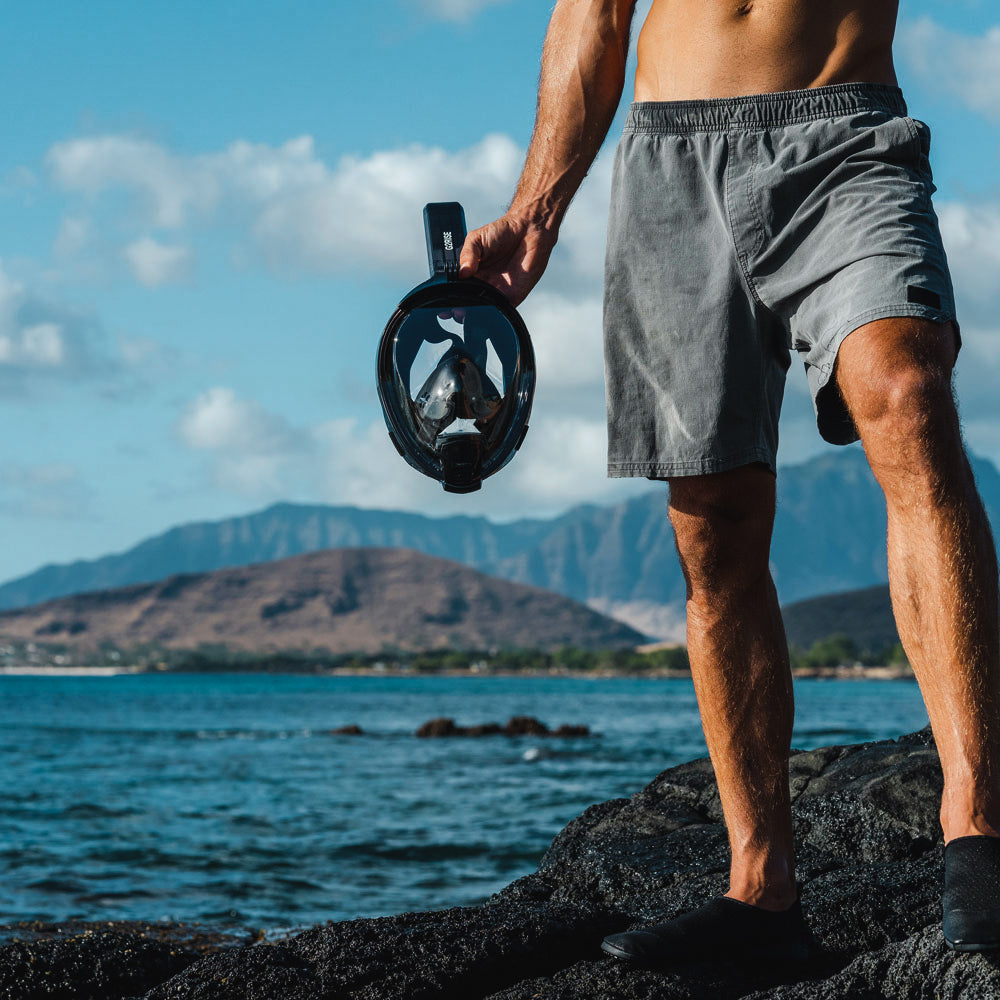
Hawaii can be excellent for children when families choose protected bays and early, calm windows. The benefit is that kids can do short shore sessions instead of committing to one long boat trip. That makes it easier to stop when they are cold, tired, or overwhelmed.
Cancun, Puerto Morelos, and the Riviera Maya can work well, but families should check current sargassum conditions close to the trip. In heavy seaweed periods, beaches can look very different from listing photos. Build in alternatives like cenotes, island tours, pools, or non-water activities.
Belize is a strong option for families who want reef access and are comfortable with smaller-scale lodging or local tours. It can be more flexible than a resort-only plan, but parents should choose operators carefully and ask about child-friendly conditions.

How Do You Compare Shore Snorkeling and Boat Trips?
Shore snorkeling is usually easier for nervous kids because they can walk in gradually, stand up, and return to land quickly. It is also more flexible. If the first try lasts only ten minutes, nobody feels like the whole day was wasted.
Boat trips can be better when reefs are offshore, visibility is stronger, and guides can choose the best location for the day. The tradeoff is commitment. Once the boat leaves, a nervous child has fewer ways to reset. Families should ask about trip length, flotation vests, bathroom access, and whether the crew regularly works with children.
A good progression is pool practice, then calm shore water, then a short guided tour. Skipping straight to the biggest reef trip can work for confident swimmers, but it is not the best default for first-timers.
What Costs Should Families Budget Before Booking?
Snorkeling costs are more than the tour ticket. Families should budget for transportation, park fees, tips, food, water shoes, sun protection, and rentals if they do not bring their own gear. A tour that looks cheap may become less attractive if it requires a long transfer or forces you to rent every item separately.
For a family of four, owning children's snorkel gear can make sense if the trip includes several water days or if younger kids need a carefully tested fit. If snorkeling is only one optional activity, rent fins and vests but consider bringing masks. The mask is the item most likely to make or break comfort.
Budget destinations are not automatically better. A low-cost resort can become expensive if the beach is unusable, the best snorkeling requires extra transport, or the included activities are not available when you need them. Recent guest feedback and current water conditions matter.
What Mask Fit Problems Ruin Kids' First Trips?
The most common problem is overtightening. Parents see water, tighten the strap, and accidentally make the mask less comfortable without fixing the seal. A mask should seal because the skirt matches the face, not because the strap is crushing it.
Hair under the skirt can cause leaks. So can smiling, talking, or putting sunscreen too close to the seal area. Kids also tend to move their faces more dramatically than adults, which can break the seal. Practice helps them learn what normal feels like.
Fogging is another confidence killer. Clean the lens before the trip, rinse it properly, and use a simple anti-fog routine. If the child cannot see clearly, they will not enjoy the fish, and they may assume something is wrong with the whole experience.
How to Practice Before Hawaii, Florida, Mexico, or Belize
Practice should be short and positive. Let the child wear the mask at home, then breathe through the snorkel outside the water, then try it in a pool or bathtub. Do not force a long session. Two calm minutes are better than twenty stressful ones.
Teach three signals: OK, stop, and water in mask. Make sure children know they can lift their head, remove the mouthpiece, and breathe normally. If they are using a flotation vest, practice with it before the actual reef day.
Before the trip, explain that snorkeling is looking, not chasing. Kids should not stand on coral, grab marine life, or swim away from the adult. The best family snorkeling rule is simple: stay close enough to touch.

When G2RISE Kids-Friendly Gear Helps
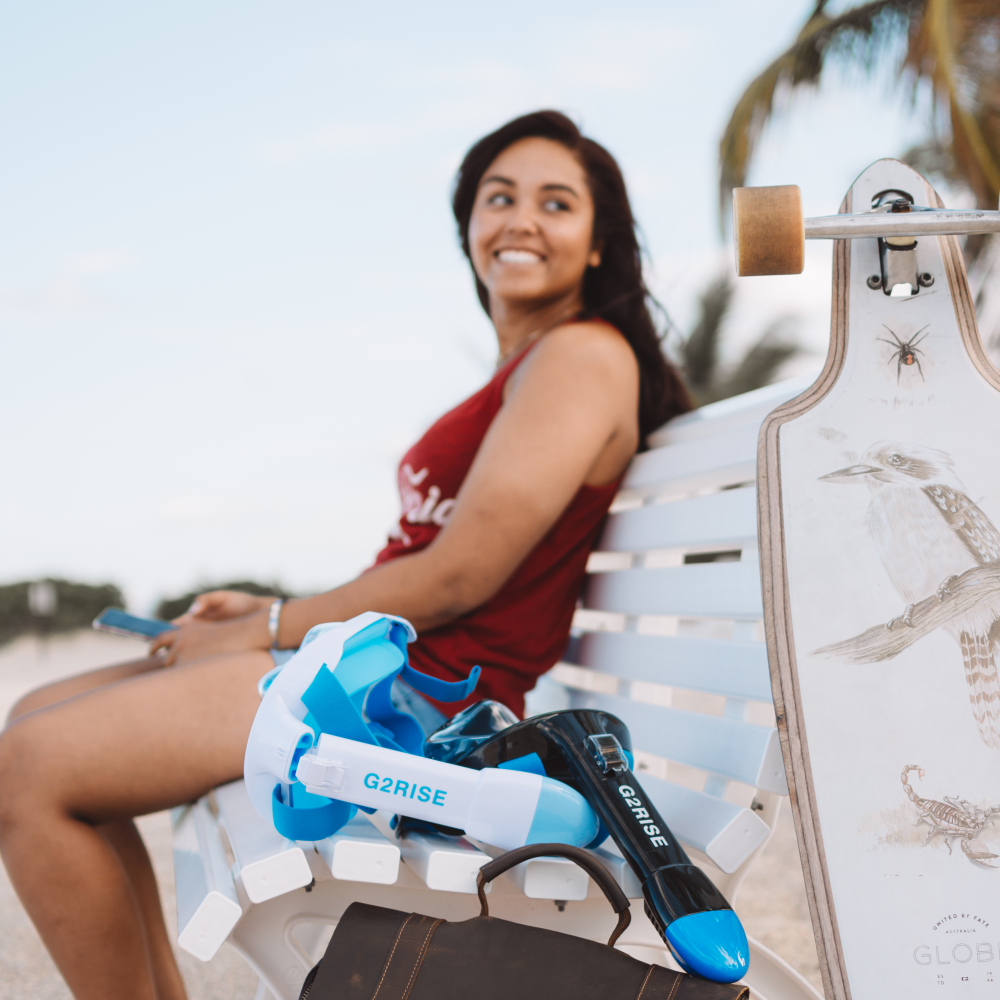
G2RISE kids-friendly gear helps when the family wants the first session to feel simple. A comfortable seal, easy adjustment, and beginner-friendly breathing setup can reduce the little frustrations that make children quit early.
If your vacation includes Hawaii shore snorkeling, a Key Largo reef tour, a Mexico beach day, or a Belize boat trip, test the gear before you go. Let kids build confidence in stages. Then choose destinations and tours that match their actual comfort, not just the prettiest photos online.
The right children's snorkel gear does not need to be complicated. It needs to fit, feel safe, and make your child curious enough to look down one more time.

Leave a comment
This site is protected by hCaptcha and the hCaptcha Privacy Policy and Terms of Service apply.