

Children's Snorkel Set: What to Look For
Choosing a children's snorkel set is less about finding the cutest color and more about helping a child feel calm, comfortable, and in control in the water. The right set should fit a smaller face, keep the snorkel easy to breathe through, reduce water surprises, and make the first few minutes feel simple instead of stressful.

Why is a children's snorkel set different from adult gear?
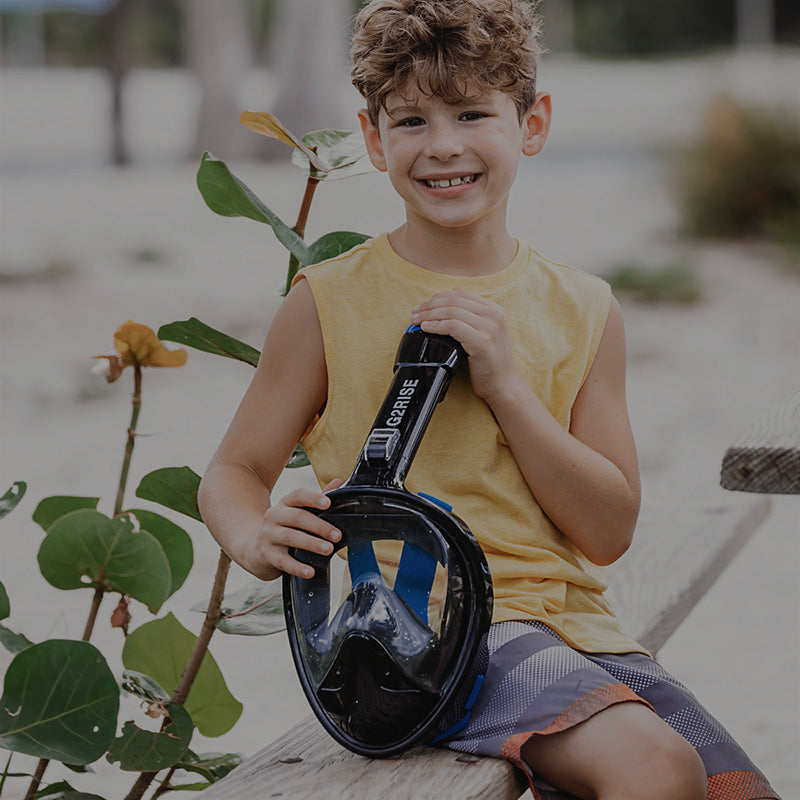
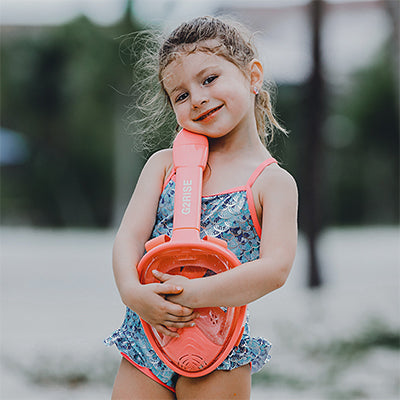
Kids do not use snorkel gear like small adults. They move more, adjust less carefully, and often decide whether they like snorkeling in the first five minutes. That means a children's snorkel set needs to be forgiving: a soft skirt that seals without squeezing, a strap that does not pull hair, a snorkel mouthpiece that is not too large, and fins that help without tiring the legs.
Strong kids' gear guides put age and comfort at the center of the buying decision. The most useful checklists separate recommendations by age group and call out dry snorkels, soft mouthpieces, adjustable straps, and confidence-building add-ons such as flotation and rashguards. Youth set product specs also point to what matters: kids ages 3-10, silicone skirt, wide strap, dry-top snorkel, purge valve, adjustable fins, and a carry bag. Those details matter because a child's first snorkel set is really a confidence system.
What size and fit should parents check first?
Fit starts with the mask. A child should be able to place the mask on the face, breathe in gently through the nose, and feel the mask hold for a moment without the strap. If it drops instantly, it is probably too big or the skirt shape is wrong. If it leaves hard pressure marks before the strap is even tightened, it is too small or too stiff.
Do not fix a bad seal by overtightening the strap. That is one of the fastest ways to make kids dislike the gear. A good kids' mask should touch evenly around the forehead, cheeks, and upper lip. Hair should be cleared away from the seal, and the strap should sit high enough on the back of the head that the mask does not slide down.
Which mask features help kids feel safer?
Children usually feel safer when they can see clearly and breathe predictably. A wide lens helps because the water feels less closed-in. A soft skirt helps because small face movements do not immediately cause leaks. A simple strap system helps because parents can make quick adjustments without turning the whole beach moment into a gear lesson.
For many families, a dry-top snorkel is helpful because it reduces splash entering the tube. A purge valve can also make clearing small amounts of water easier. These features are not a replacement for supervision or practice, but they can reduce the number of uncomfortable surprises.
Should you buy a full set or separate pieces?
A complete children's snorkel set is convenient when the mask, snorkel, and fins are all properly sized for the same age range. It saves parents from matching parts and often includes a mesh bag that keeps wet gear from getting lost. That is useful for travel, camp, and resort days.
Separate pieces can be better when your child has a hard-to-fit face, unusually small or large feet, or already owns one part that works well. If you buy separately, choose the mask first, snorkel second, fins third. A bad mask ruins the session. Short, soft fins are usually easier for kids than long stiff fins because they encourage gentle kicking instead of leg strain.
What mistakes do parents make with kids' snorkel gear?
The biggest mistake is buying for the trip instead of the child. A set that looks great online may fail if the mouthpiece is too big, the skirt leaks around a small nose, or the fins feel heavy. The second mistake is skipping the dry run. Even a good set can feel strange if the first use happens in waves, current, or a crowded beach entry.
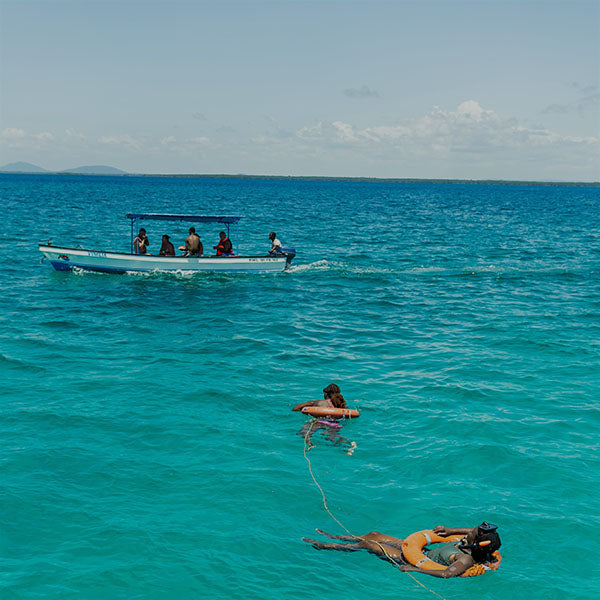
Parents also sometimes treat a snorkel set as safety equipment. It is not. Kids still need close adult supervision, calm conditions, flotation support when appropriate, and clear rules about staying near shore. A mask gives vision; it does not give water judgment. A snorkel gives air at the surface; it does not make a child a swimmer.
How should a child prepare for the first snorkel session?
Start on land. Let the child wear the mask for a minute without the snorkel. Then practice breathing through the snorkel while sitting or standing in shallow water. Next, place the face in the water for just a few seconds. Keep the first win small. If the child comes up smiling, stop before they get tired and let confidence build.
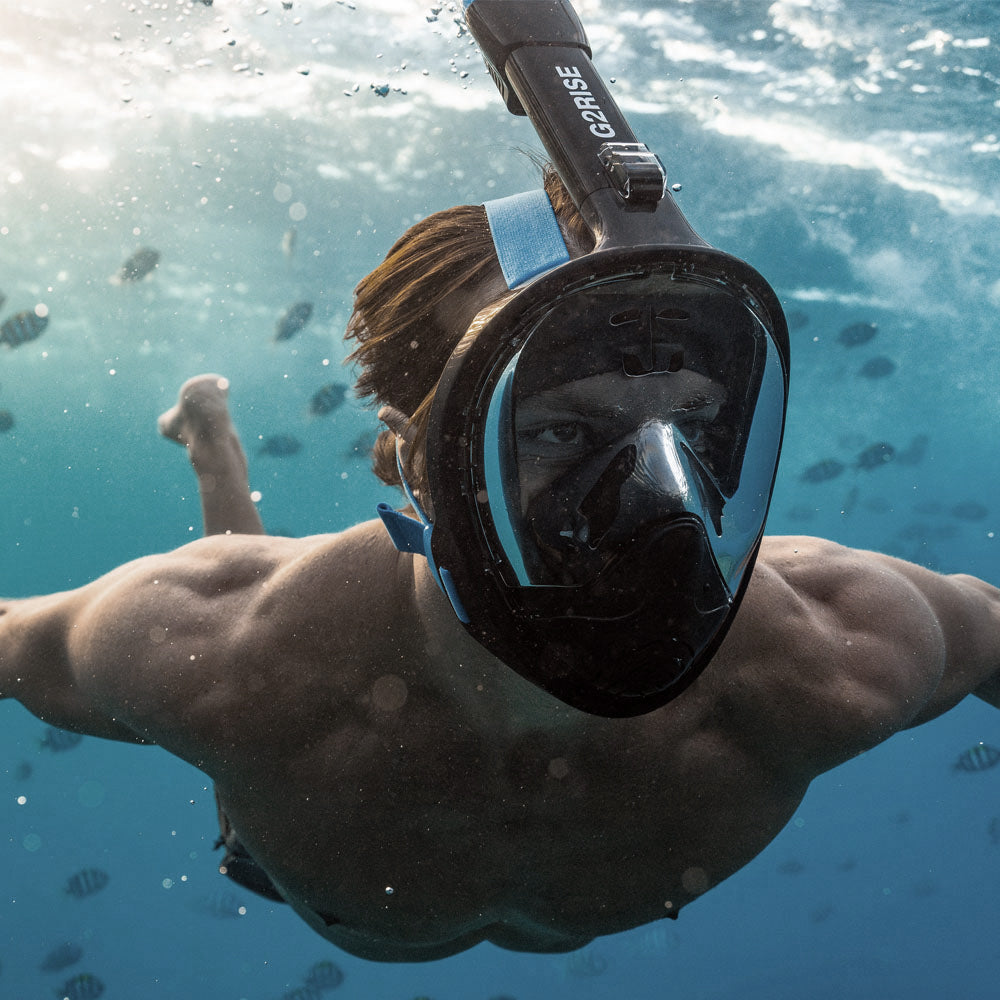
Use plain language: breathe slowly, look down, stay near me, lift your head if water enters, and never dive down with a full-face mask. If the child is using a traditional set, teach them how to spit out the mouthpiece and stand up. If using a full-face style, keep the activity at the surface and choose calm water only.

When does G2RISE kids-friendly gear make sense?
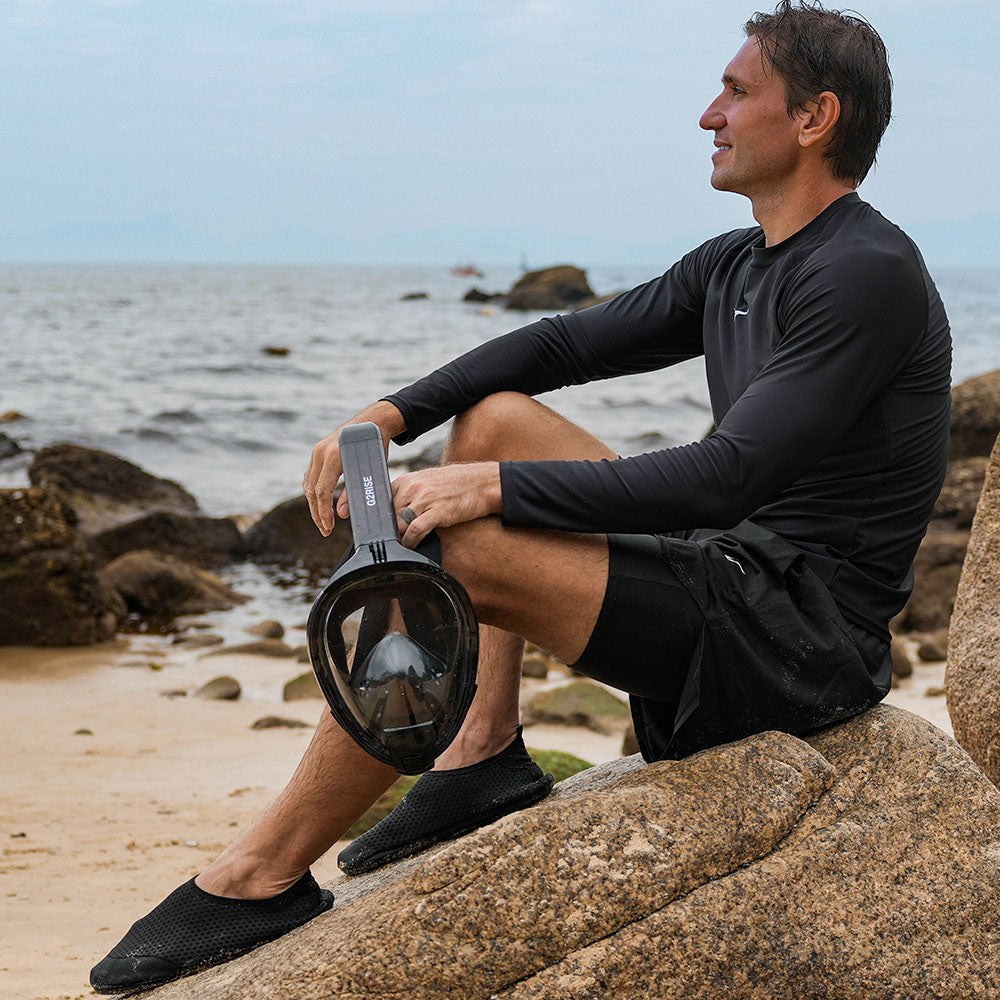
G2RISE is a good fit when your family wants snorkeling to feel less technical and more approachable. For kids and beginners, the best gear is not the most complicated gear. It is the gear that seals comfortably, feels stable, and helps the user focus on fish and coral instead of constant adjustments.
If you are choosing a children's snorkel set, use a simple rule: comfort first, seal second, breathing third, and only then think about color or accessories. A child who feels comfortable is more likely to relax, listen, and enjoy the water. That is the real job of a kids' snorkel set.

Leave a comment
This site is protected by hCaptcha and the hCaptcha Privacy Policy and Terms of Service apply.