
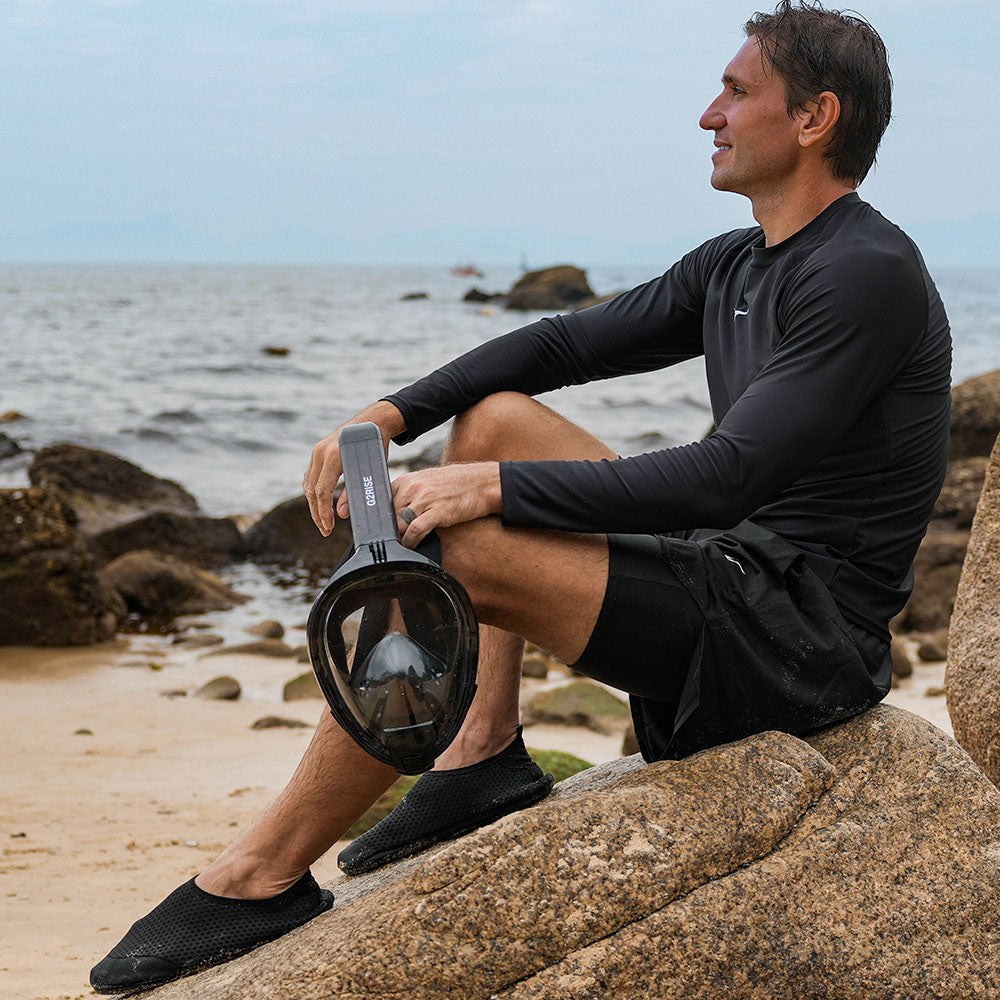
Short answer: yes, goggles and a snorkel can be used together in limited situations, especially pool training with a center-mounted swim snorkel. For relaxed recreational snorkeling, though, most people are better served by a mask that covers the eyes and nose. The right choice depends on where you’ll swim, how comfortable you are breathing through your mouth, and whether you need to clear water or equalize pressure.
The vocabulary makes this more confusing than it should be. Some stores call any underwater eyewear “goggles,” even when the product is really a nose-covering snorkel mask. When we reviewed the current search results, one retailer grouped 112 products under “Snorkel Mask & Goggles,” while another separated two-piece mask-and-snorkel combos from three-piece sets that also include fins. So before you compare products, make sure everyone means the same thing by goggles.

Can You Use Goggles and a Snorkel Together?
You can pair swim goggles with a snorkel if the snorkel is designed to stay in place without relying on a mask strap and you’re comfortable leaving your nose uncovered. This setup is common in lap-swim training. It’s less forgiving for casual sightseeing because breathing, water clearing, and head position all demand more deliberate technique.
A center-mounted training snorkel usually runs up the middle of the forehead and uses its own headband. That works neatly with swim goggles. A traditional side-mounted recreational snorkel, however, normally clips to a mask strap. Trying to improvise that attachment on a thin goggle strap can pull the goggles out of position or make the snorkel wobble.
There’s also a difference in purpose. Pool swimmers use goggles and a training snorkel to work on stroke, alignment, and steady breathing without turning the head. Recreational snorkelers use a mask and snorkel to look down at a reef, move slowly, and stay comfortable at the surface. The equipment overlaps, but the job is different.
Retail categories reflect that distinction, even when their labels aren’t perfect. U.S. Divers separates a two-piece “Mask+Snorkel” combo from a three-piece “Mask+Snorkel+Fins” set. That two-versus-three-piece split is more useful than the loose word “goggles” because it tells you what the package actually contains.
Why Don’t Swim Goggles Cover Your Nose?
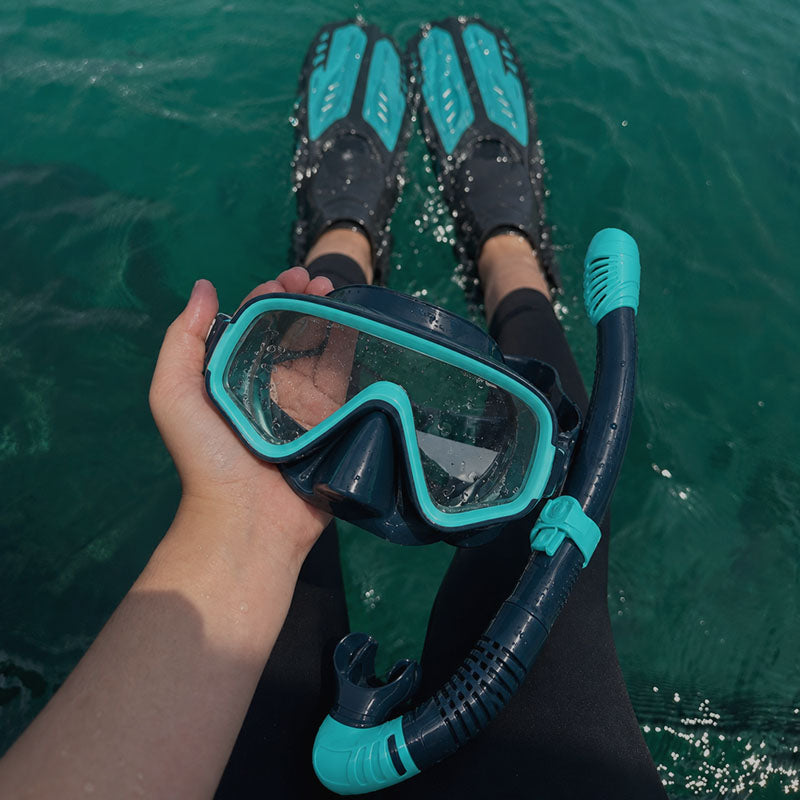
Swim goggles are built to create two small seals around the eyes while leaving the nose free. That keeps them compact for lap swimming and lets swimmers turn, dive, and streamline with less bulk. A snorkel mask uses one larger skirt around the eyes and nose, giving the wearer a nose pocket and a broader underwater viewing area.
Leaving the nose uncovered isn’t automatically a problem. Experienced swimmers often breathe through a training snorkel while gently controlling nasal airflow. For someone new to mouth-only breathing, however, the sensation can be distracting. Water touching the nostrils may trigger a quick head lift, a broken breathing rhythm, or an urge to inhale through the nose.
A nose-covering mask changes the experience in three practical ways:
- It gives the nose a dry pocket. That usually makes mouth breathing feel more intuitive for first-time snorkelers.
- It allows pressure equalization for shallow descents. You can reach the nose through a flexible mask pocket; you can’t do that through ordinary swim goggles.
- It changes how leaks are handled. Water in a mask is cleared differently from water in two small goggle cups.
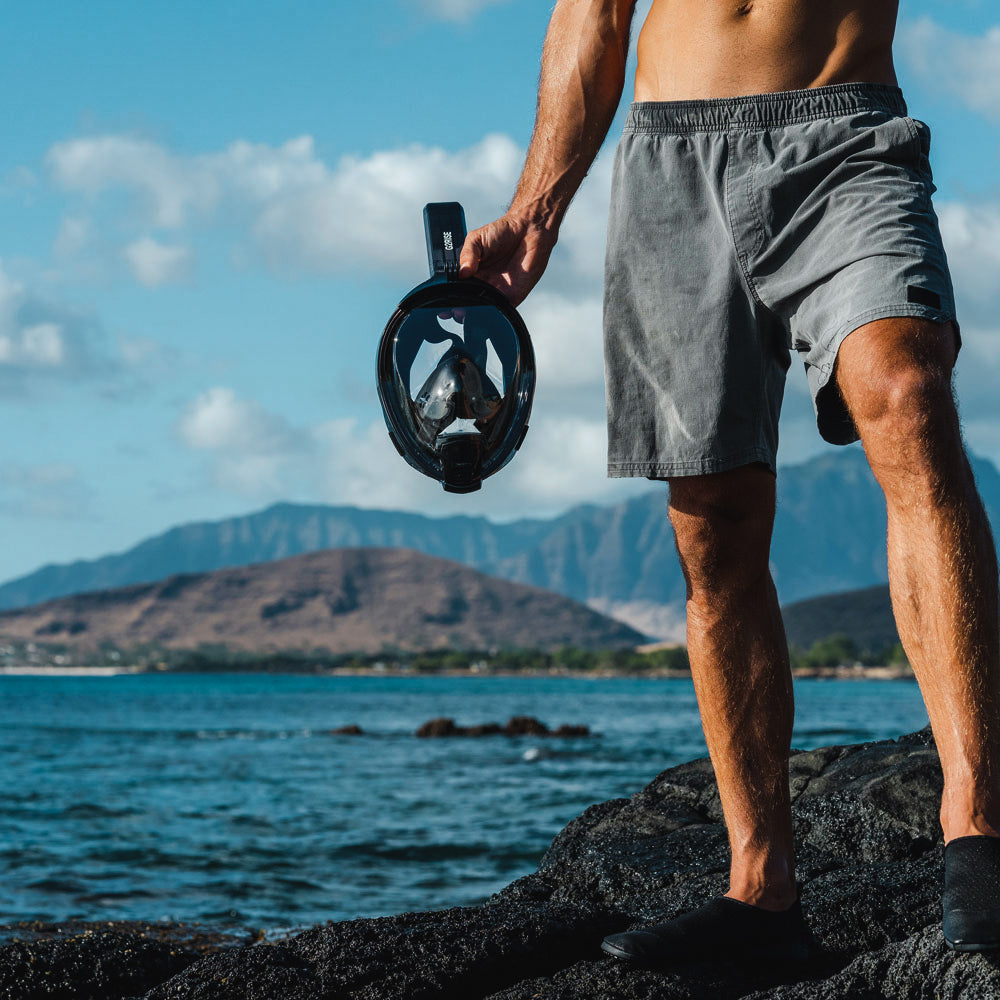
This is why a product photo matters more than the label. The Honey Swim collection, for example, uses “goggles” for eyewear that visually resembles a traditional nose-covering snorkel mask. Search language is messy; product construction is not. Check whether the seal surrounds only the eyes or both the eyes and nose.
What Changes When Water Enters the Snorkel?
Water can enter any open snorkel when the tube tip dips below the surface or a wave washes over it. Goggles don’t change what happens inside the tube. You still need to stop inhaling, return the opening above water, clear the tube as its design requires, and take the next breath gently rather than assuming the airway is completely dry.
That sequence matters more when your nose is uncovered. With a traditional mask, you can focus on clearing the snorkel while the mask keeps water away from your nostrils. With swim goggles, you’re managing the tube and nasal control at the same time. That’s manageable for a practiced pool swimmer; it can feel like too many new sensations for a vacation beginner.
Don’t treat a dry-top snorkel as a guarantee that water will never enter. A float valve can close when submerged, but splashes, sand, angle, fit, or a valve that doesn’t move freely can still change the result. If you cough, feel short of breath, become anxious, or can’t establish a calm breathing rhythm, lift your head, stop, and reset in a supported position.
Practice should happen where standing up or holding the wall is easy. Start without forward motion. Breathe slowly through the mouthpiece, notice whether air escapes through the nose, then add a few relaxed kicks. Open water adds waves, current, glare, distance, and other swimmers; it shouldn’t be the first place you discover that the setup doesn’t suit you.

When Is This Pairing a Practical Choice?
Goggles and a snorkel are most practical for controlled swim training, technique drills, and confident swimmers who already know how to breathe through the mouth while the nose remains uncovered. They’re a weaker choice for first-time sightseeing, choppy water, long surface sessions, or anyone who keeps interrupting the breath to lift the head.
Use the pairing when all of these are true:
- The snorkel has a stable, independent head mount intended for swim training.
- The goggles seal comfortably without being pulled by the snorkel strap.
- You can breathe calmly through the mouth while exhaling or controlling air at the nose.
- You’re practicing in a supervised, controlled environment.
- You understand how to stop and remove or clear the mouthpiece without rushing.
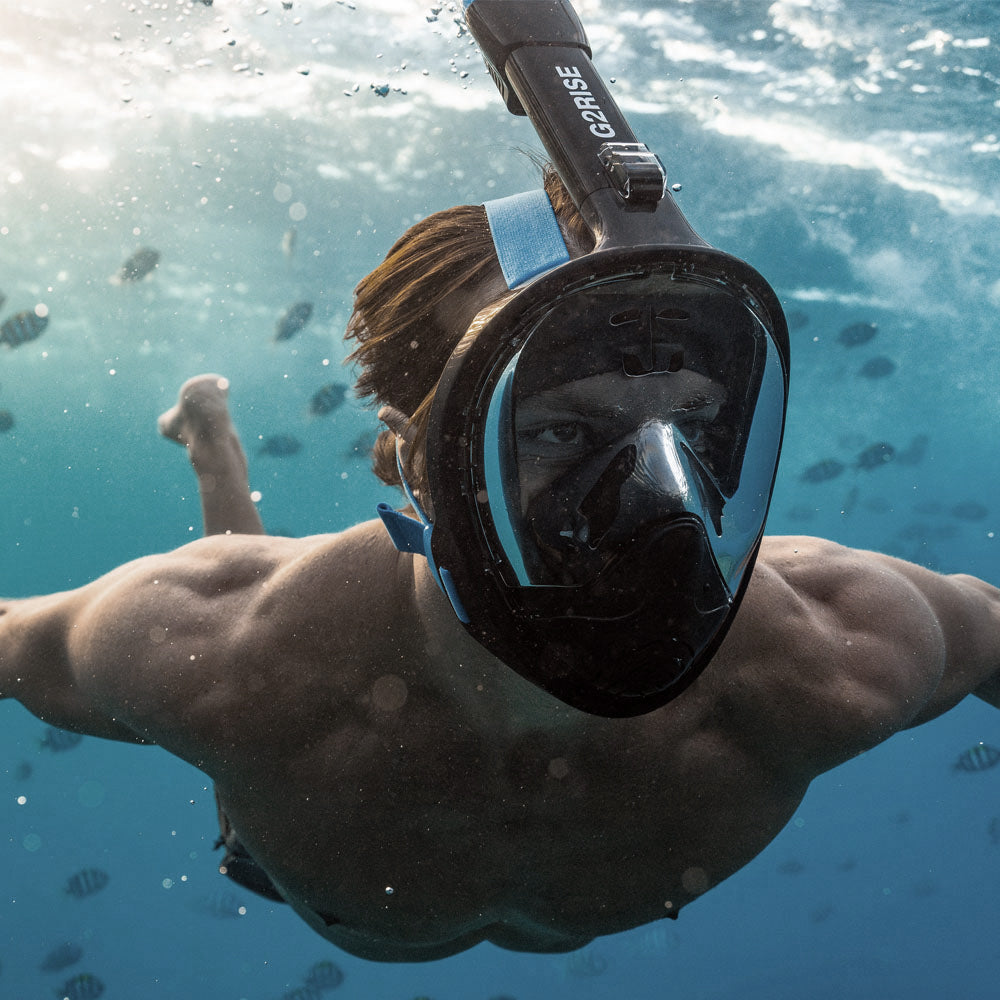
Choose a nose-covering snorkel mask when the goal is relaxed underwater viewing rather than stroke training. A traditional mask-and-snorkel setup gives you separate components and familiar mouthpiece breathing. A full-face design may suit surface-only users who prefer to breathe through the nose and mouth, provided the fit is correct and the product’s instructions and use limits are followed.
Neither option replaces swimming ability, close supervision, or judgment about conditions. Equipment can improve comfort, but it doesn’t make rough water calm or turn a beginner into an experienced swimmer.
Which Setup Fits Beginners and Family Trips?
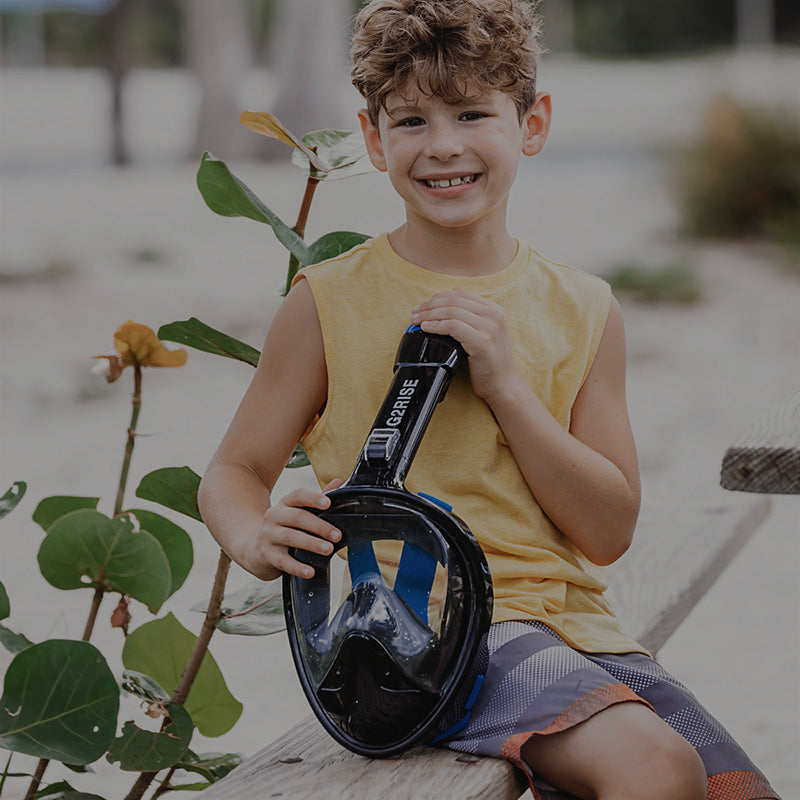
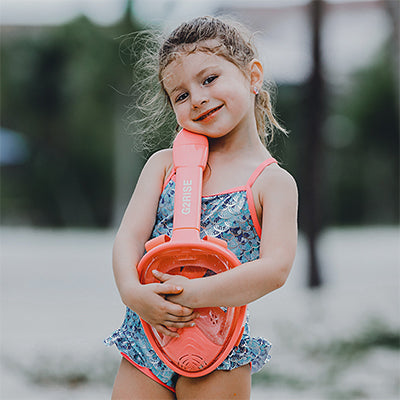
For most family vacations, choose the setup that each person can fit, understand, and practice before departure. Don’t buy one shared “family size” and assume it will seal on every face. Adults, teens, children, and grandparents may need different mask shapes, strap positions, mouthpiece sizes, or vision solutions even on the same trip.
Here’s a simple decision path:
- Is this pool training or underwater sightseeing? Pick goggles plus a training snorkel for the first job; start with a proper snorkeling mask for the second.
- Does the user tolerate a mouthpiece? If yes, compare traditional masks and snorkels. If no, consider a correctly fitted surface-use full-face design.
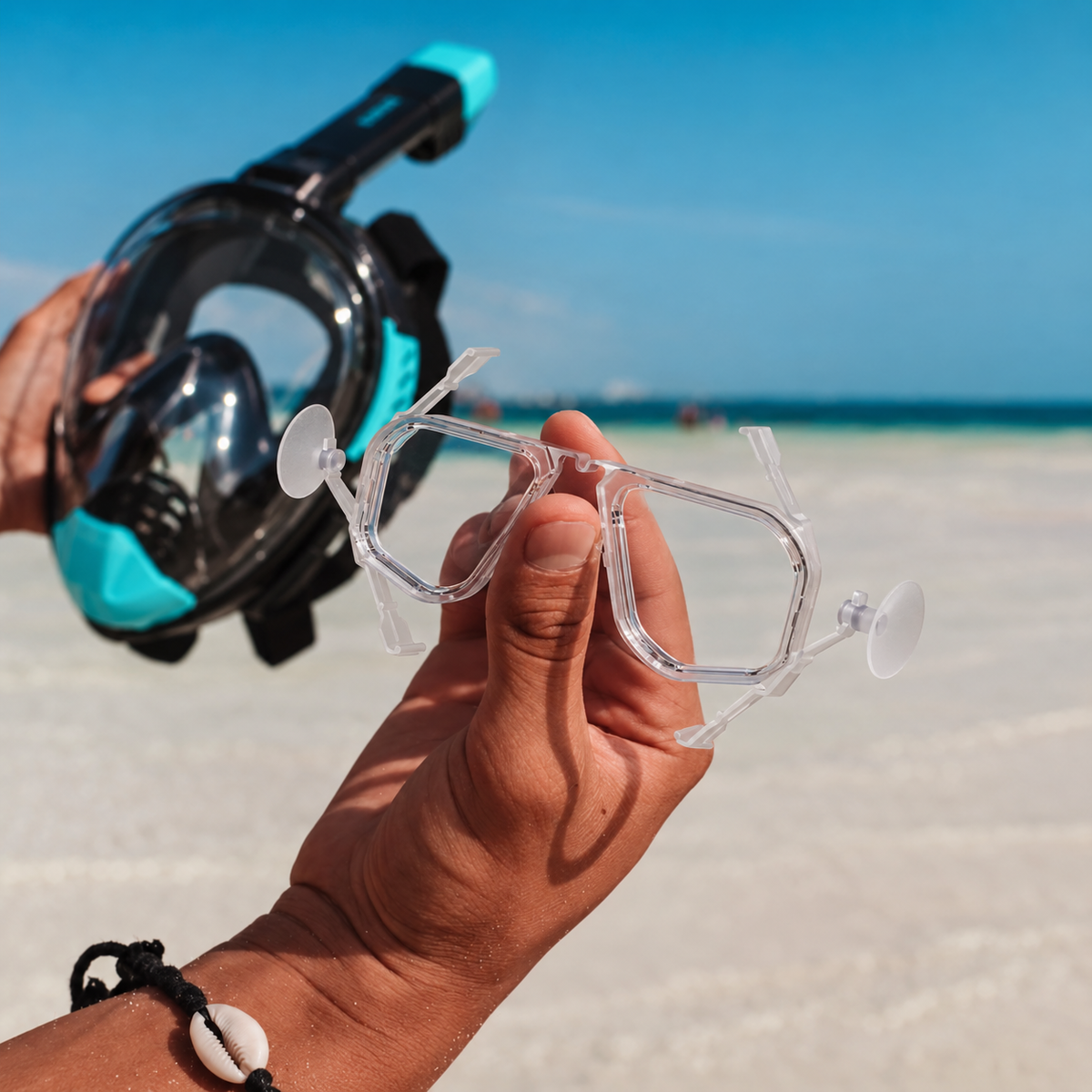
- Does the user need vision correction? Look at prescription-compatible options rather than wearing ordinary glasses under a seal.
- Can the user get a stable seal without overtightening? If not, change size or shape. More strap tension isn’t a reliable fix.
- Has the setup been tried before the trip? Leave time to exchange the size and repeat the practice session.
Large catalogs can make this feel more complicated. The current GetWetStore category lists 112 mask and goggle entries and names single-lens, double-lens, panoramic, purge, and prescription variants. That variety is a reminder to filter by use and fit first—not a reason to chase every feature.
How Should You Test Fit Before the Water?
Test the eyewear and snorkel as one system, not as two products that happened to fit separately. Put them on in the order recommended by the manufacturer, check that the snorkel mount doesn’t twist the seal, and confirm that you can remove the mouthpiece and lift your head without tangling straps or pulling the eyewear loose.
For swim goggles, press each eye cup lightly into place and adjust the strap only enough to hold the seal. For a traditional mask, keep hair and straps off the sealing skirt, inhale gently through the nose during a dry seal check, and avoid cranking the strap tight. For a full-face mask, follow its size measurement and pre-use inspection instructions exactly.
Then move to calm, shallow water:
- Stand or hold the wall while taking several slow breaths.
- Put your face in for a few seconds, then lift it without hurrying.
- Check for leaks, pressure points, strap movement, and fogging.
- Practice the stop signal and the fastest way to return to normal breathing.
- Only add gentle swimming after the breathing pattern feels boringly predictable.
“Boringly predictable” is a good standard. A vacation isn’t improved by gear that feels dramatic in the first five minutes.
What Questions Do First-Time Buyers Ask?
First-time buyers usually need clear answers about terminology, fit, breathing, and the difference between pool equipment and open-water snorkeling gear. The best answer is rarely a universal product recommendation. It’s a short match between the person, the setting, the breathing style, and the amount of practice available before the trip.
Can I attach a regular side snorkel to swim goggles?
Sometimes you can improvise an attachment, but a thin goggle strap wasn’t necessarily designed to support a side snorkel. A purpose-built center-mounted swim snorkel is the cleaner pool-training setup. For recreational snorkeling, use a snorkel with the mask attachment it was designed around.
Are snorkel goggles the same as a snorkel mask?
Not always. Retailers use the words inconsistently. Look at the seal: swim goggles cover only the eyes; a traditional snorkel mask covers the eyes and nose; a full-face mask covers the eyes, nose, and mouth.
Can a beginner use goggles and a snorkel in the ocean?
A confident swimmer may choose that setup, but most beginners find a nose-covering mask easier for relaxed surface sightseeing. Practice in calm, shallow water first and stay within the supervision and conditions appropriate to the swimmer.

What if I wear glasses?
Ordinary eyeglasses usually interfere with a mask seal. Prescription inserts, corrective lenses, or contact-lens guidance from an eye-care professional are more practical routes. Test the chosen vision setup before travel.
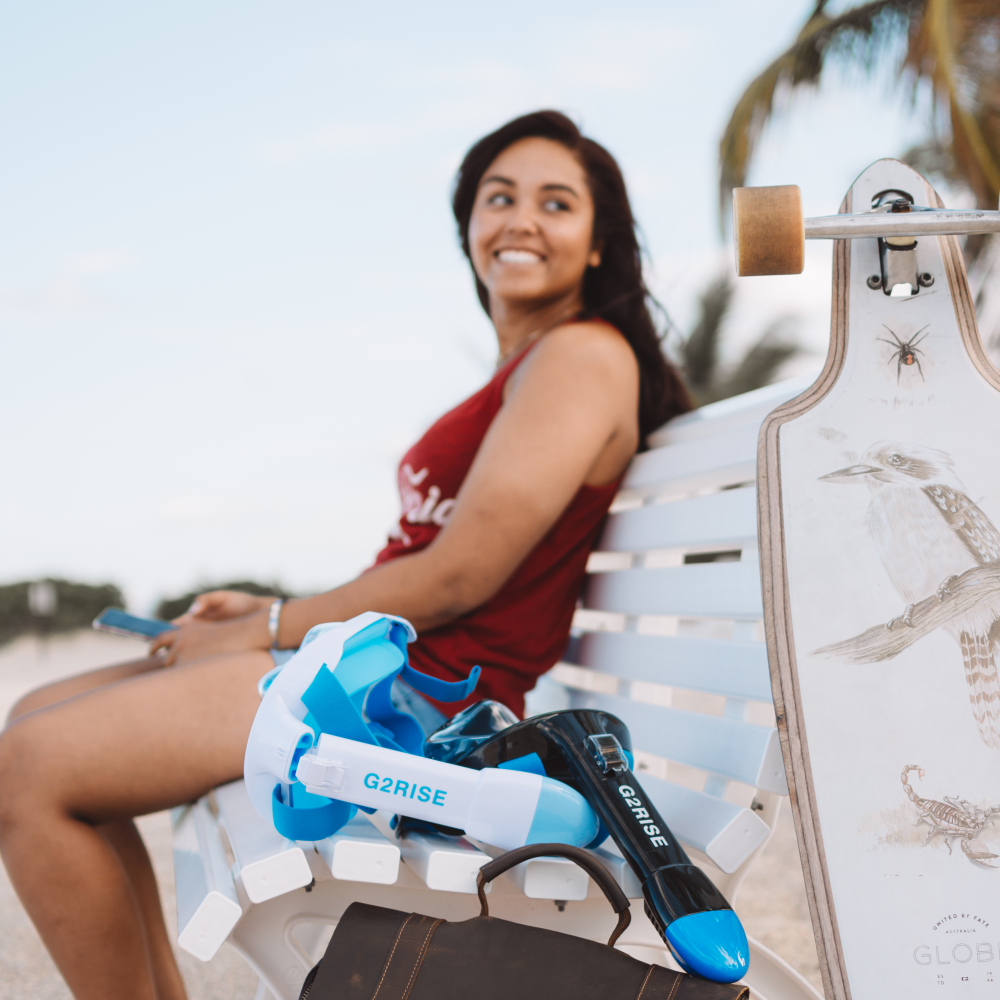
If your goal is a calm family snorkeling trip rather than swim training, start with equipment designed for that job. Explore G2RISE snorkeling gear, compare the fit options for each traveler, and order early enough to practice and exchange a size before departure. All of you, all the way into the blue.

Leave a comment
This site is protected by hCaptcha and the hCaptcha Privacy Policy and Terms of Service apply.