
Top Snorkeling Masks: Best Fit Guide
The top snorkeling masks are not always the most expensive or the most feature-heavy. The best mask is the one that fits your face, gives you the view you want, stays comfortable for the kind of snorkeling you actually do, and lets you breathe or clear water without turning a relaxed swim into a gear fight.

What makes a snorkeling mask a top pick?
A great snorkeling mask starts with fit. If the skirt does not match your face, no anti-fog coating, camera mount, or panoramic lens will save the experience. The next priorities are visibility, comfort, ease of adjustment, and whether the mask type matches your water use.
A relaxed surface snorkeler may prefer a wide-view full-face mask. A traveler who likes occasional duck dives may prefer a traditional low-volume mask and separate snorkel. Competitor pages usually focus on the same core idea: low-volume masks help people who dive underwater because they sit closer to the face and are easier to equalize, while full-face masks are comfortable for relaxed surface snorkeling because they support nose-and-mouth breathing and wider visibility.
How should a mask fit your face?
Use the no-strap test first. Place the mask against your face, move hair away from the seal, and inhale gently through your nose. A good mask should hold lightly for a moment. If it drops, leaks, or only seals when you press hard, the skirt shape is wrong. Tightening the strap will usually create pressure and still leak once you move.
Then check comfort. The skirt should sit evenly around the forehead, cheeks, and upper lip. The nose pocket should not crush your nose. The frame should not press into your brow. If you have facial hair, a narrow upper-lip seal may leak; a full-face mask may seal better for some people, though beard shape still matters.
Full face vs traditional masks: which fits your use case?
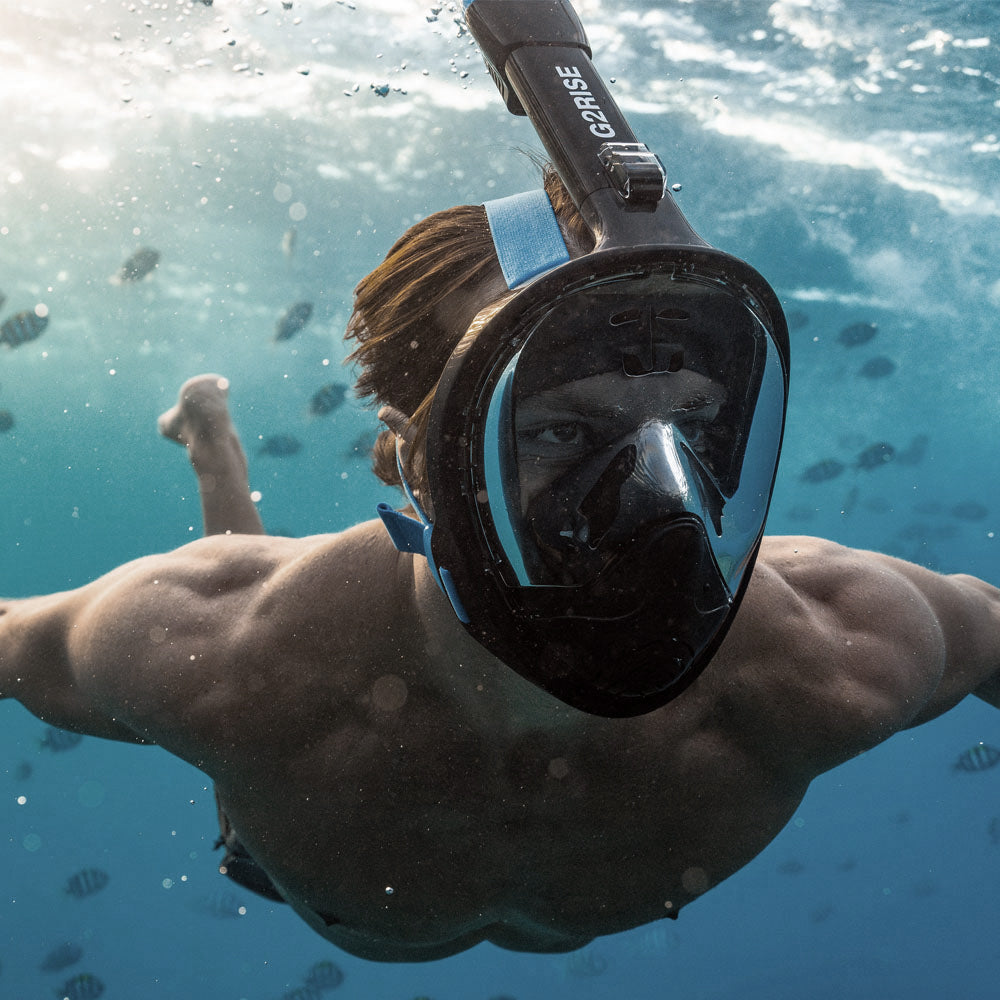
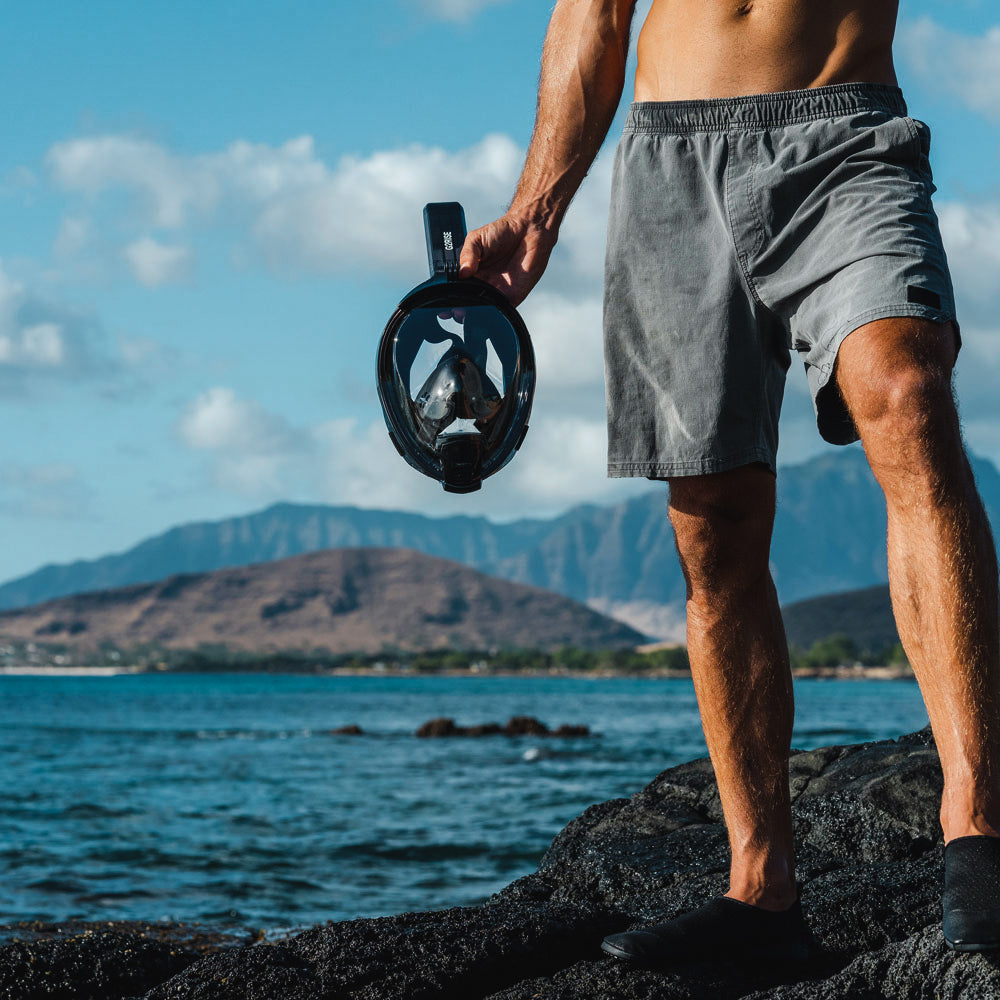
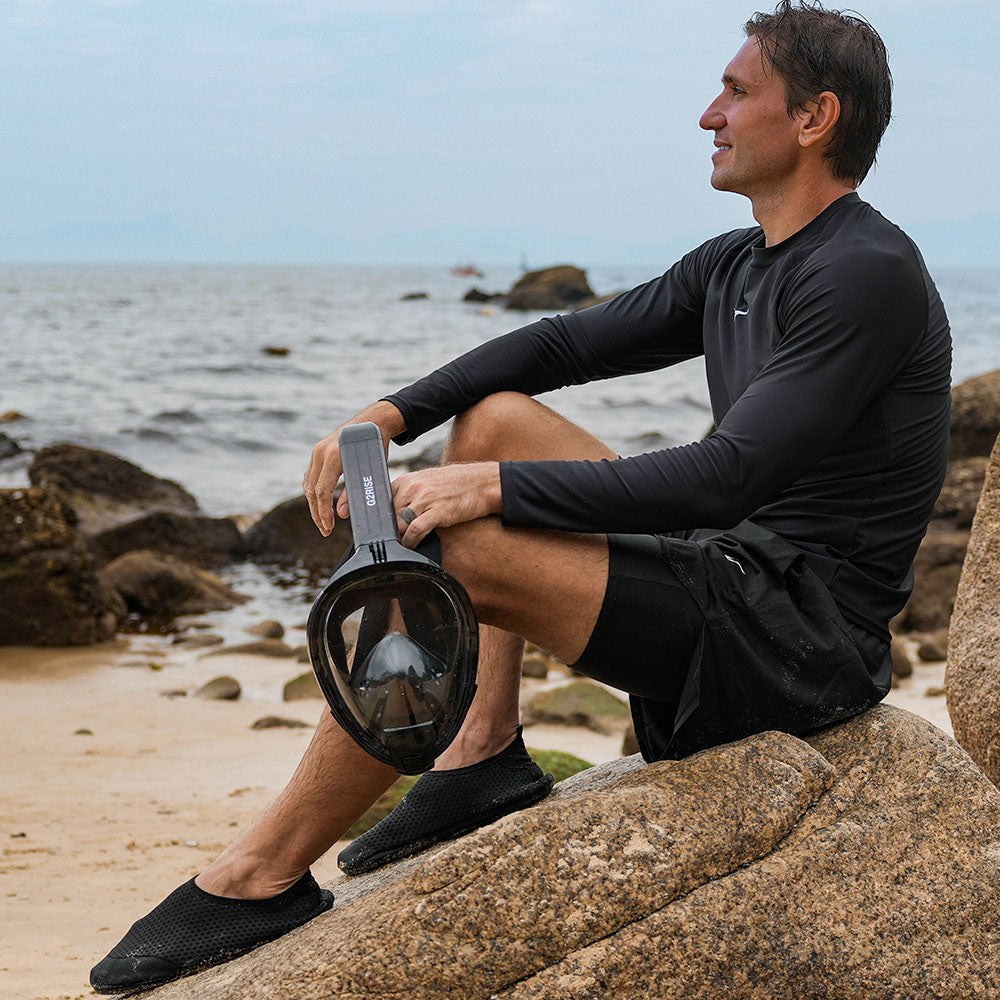
A full-face snorkel mask combines the mask and snorkel into one piece. It lets many people breathe through the nose and mouth, gives a wide field of view, and can feel more natural for beginners. It is best for calm, surface-level snorkeling. It is not the right choice for deep diving because most full-face designs do not allow easy pressure equalization.
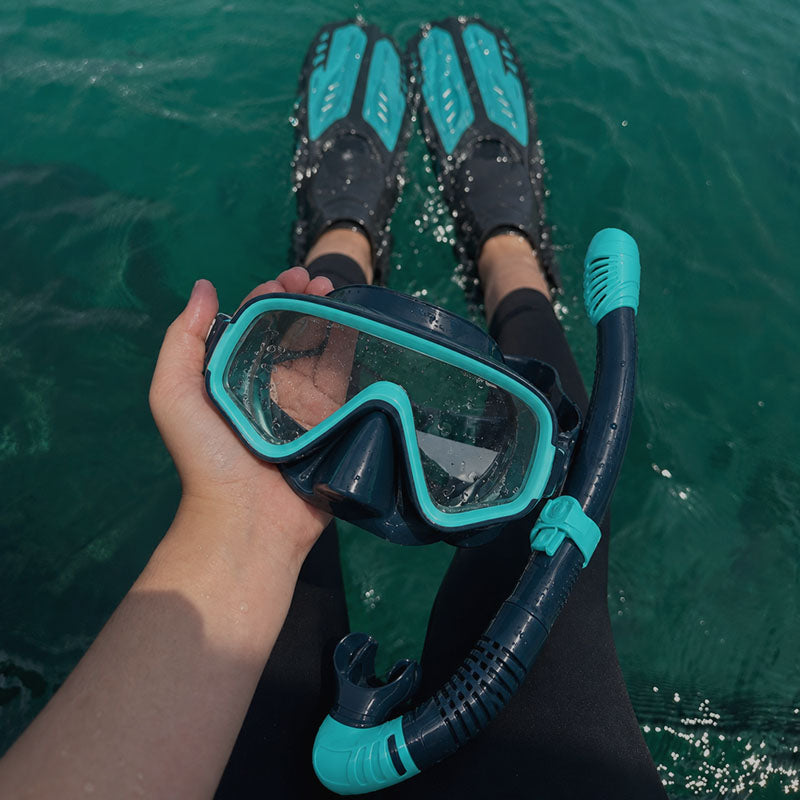
A traditional snorkel mask uses a separate snorkel and leaves your mouth on the mouthpiece. It is more familiar to divers, easier to clear with practice, and better if you plan to duck dive. It can also pack smaller for travel. The tradeoff is that beginners may need more time to get used to mouth-only breathing and clearing water from the snorkel.
What lens and seal details actually matter?
Big lenses feel open and make reefs easier to scan. Low-volume masks feel compact and can be easier to equalize when going below the surface. Frameless masks can be lighter and more flexible. Purge valves can help some users clear water, though a well-fitting mask should rarely leak and can often be cleared by lifting slightly and exhaling through the nose.
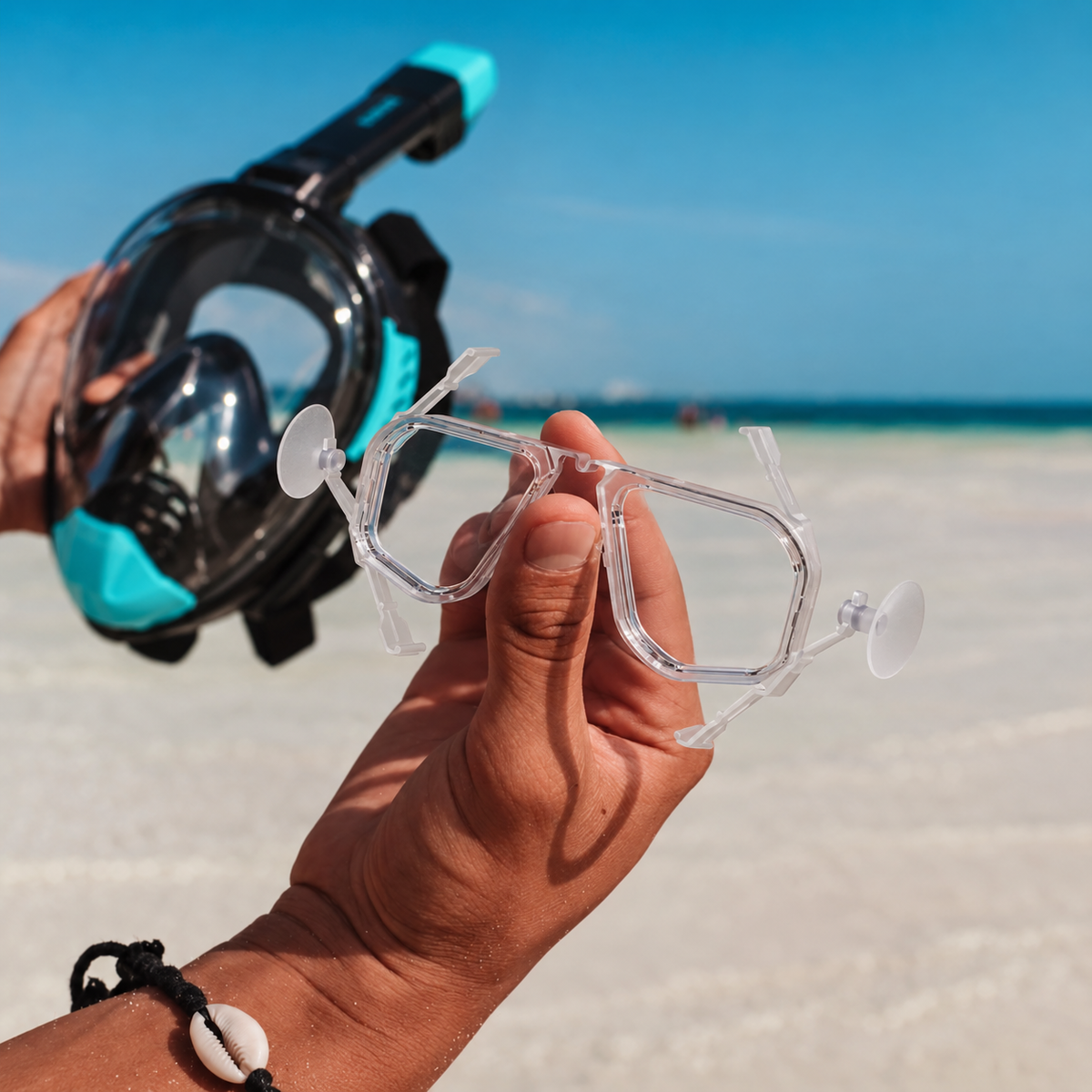
For full-face masks, airflow design matters. A comfortable full-face mask should separate incoming and outgoing air effectively, reduce fogging, and drain small amounts of water without panic. Look for size options, clear sizing instructions, and a seal that matches your face shape. A mask that only comes in one size is a gamble.
How do you compare comfort, breathing, and safety?
Comfort shows up after ten minutes, not ten seconds. Ask yourself whether the strap pulls hair, whether the skirt leaves pressure marks, whether your jaw feels tired, and whether breathing feels natural. If you are buying online, check whether the brand explains sizing clearly and whether returns are possible if the seal does not fit.
Safety is partly design and partly behavior. Full-face masks should stay at the surface. Traditional masks are better for people who want to dive down. Any mask should be used in calm conditions first, and beginners should practice in shallow water before depending on gear in waves or current.
Which mask type is best for beginners?
For many beginners, a full-face snorkeling mask is easier because it removes the mouthpiece learning curve and gives a wide view. That can help nervous users relax. For people who already swim confidently and want to explore below the surface, a traditional mask and snorkel may be the better long-term setup.
The best beginner choice is the one that reduces friction without creating new limits. If your trip is casual reef viewing from the surface, prioritize comfort, seal, dry-top design, and visibility. If you plan to take a freediving course, scuba course, or repeated duck dives, choose a traditional mask designed for equalization.

Where does G2RISE SN01 fit in the comparison?
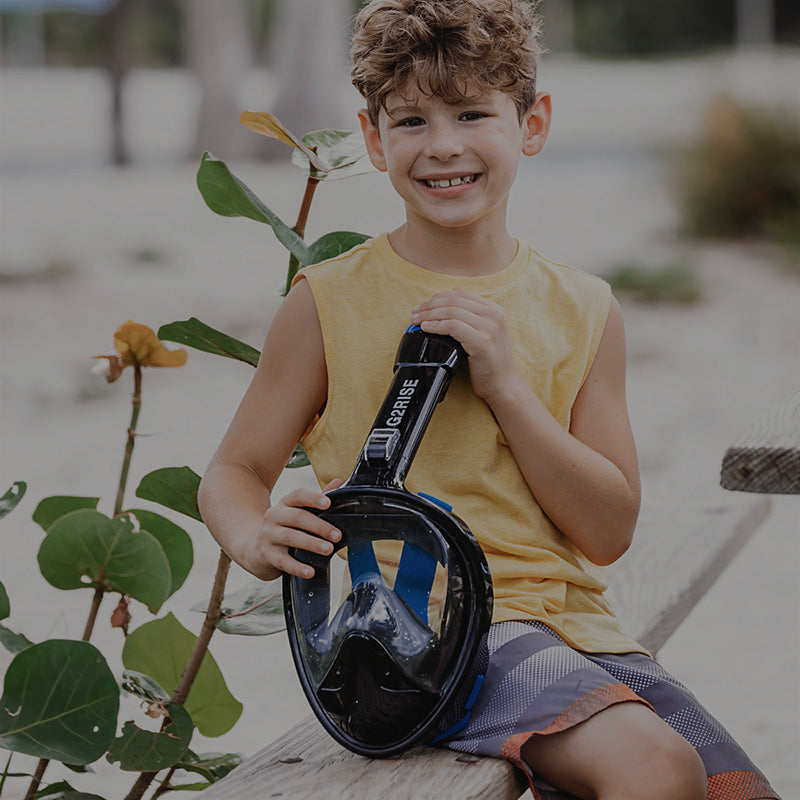
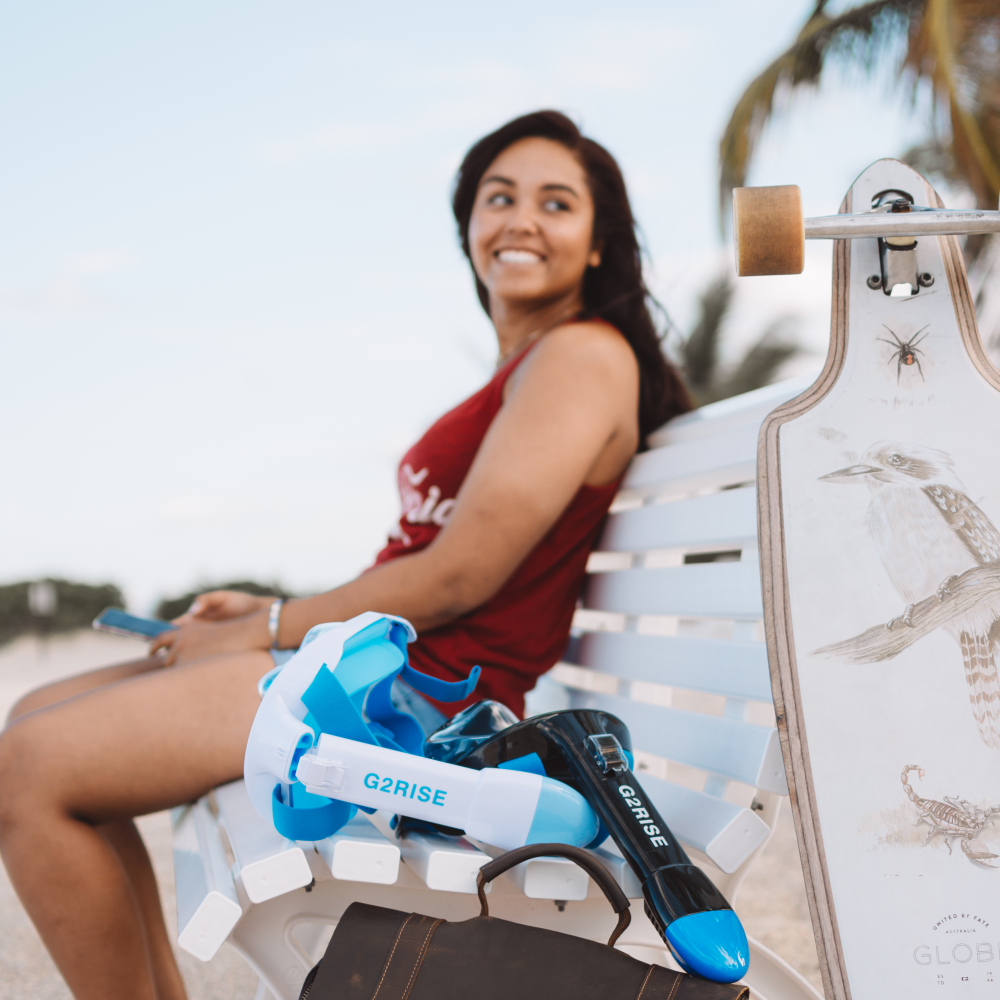
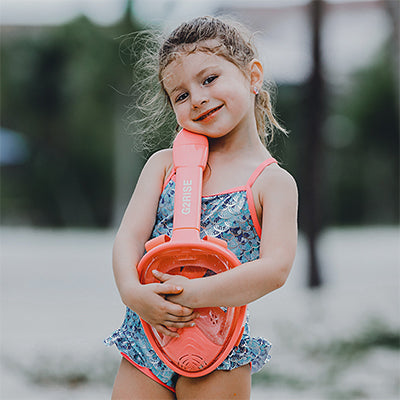
G2RISE SN01 fits the buyer who wants a simple, comfortable surface-snorkeling experience without juggling separate pieces. It is positioned for beginners, vacation snorkelers, and families who value wide visibility and easier breathing. The point is not to claim one mask type wins every situation. The point is to match the mask to the user.
If you are comparing top snorkeling masks, start with your face and your use case. Choose full face for calm surface comfort. Choose traditional for diving down and maximum versatility. Choose the product that makes the water feel easier, because the right mask should disappear once the reef becomes the interesting part.

Leave a comment
This site is protected by hCaptcha and the hCaptcha Privacy Policy and Terms of Service apply.