
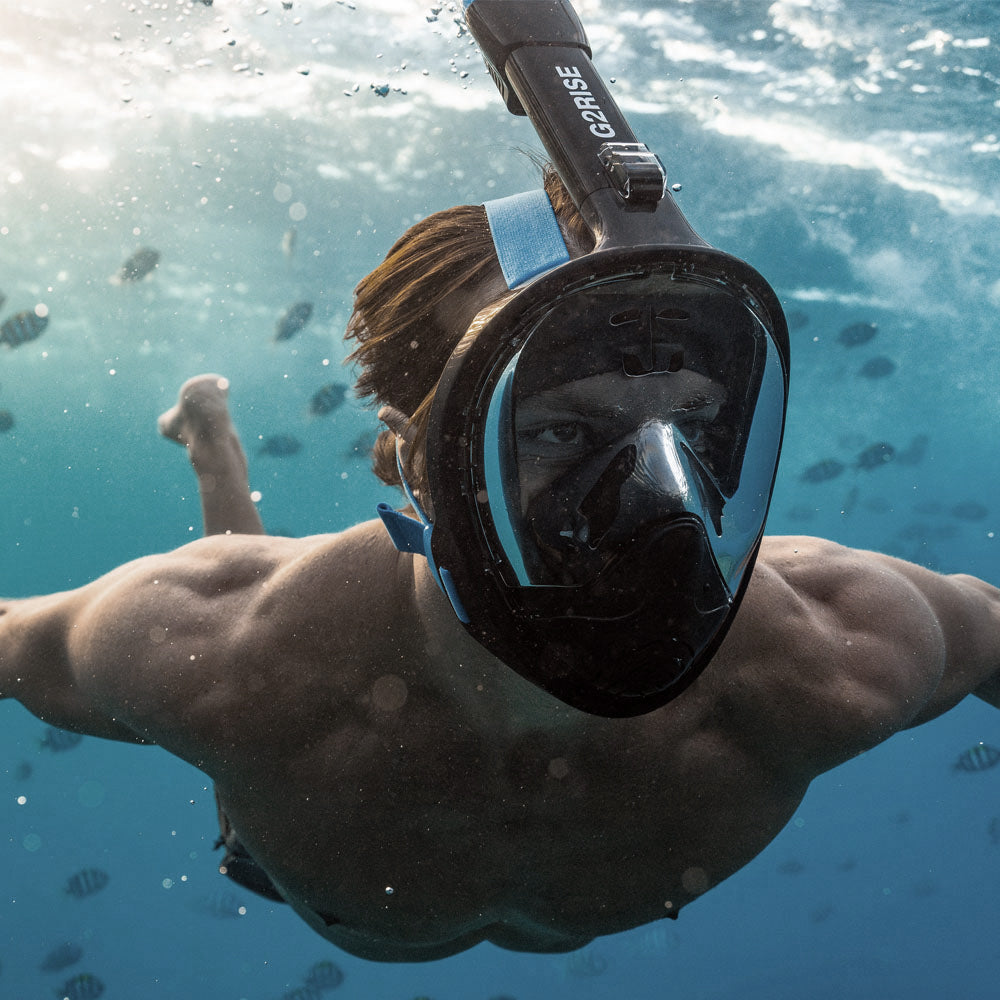
Snorkelling means swimming at or near the water’s surface while looking down through a mask and breathing through a tube whose opening stays above the water. It’s the British spelling of snorkeling; the activity is the same. Unlike scuba diving, recreational snorkelling doesn’t use a tank to supply air underwater and isn’t a form of deep diving.
The appeal is simple. You can watch fish, coral, rocks, plants, and the seafloor while keeping your face comfortably in the water. The basic equipment is lighter than scuba equipment, but the activity still asks for preparation: a mask that fits, a breathing setup you understand, conditions that match your ability, and close supervision for children or nervous beginners.

What Is the Meaning of Snorkelling?
Snorkelling is a surface-water activity in which a swimmer observes the underwater world while breathing through a snorkel. The tube reaches into the air above the surface; it doesn’t provide compressed air. Most snorkellers use a mask for clear vision and may add fins, thermal protection, or flotation appropriate to the location.
Cambridge Dictionary identifies snorkelling as the UK spelling of snorkeling. Merriam-Webster defines the snorkel itself as a tube that lets a swimmer breathe while the face or head is under the surface. Put those ideas together and the practical meaning becomes clear: your face is down, but the airway opening is still in open air.
The word can refer to three related things:
- Snorkel: the breathing tube or, as a verb, the act of using it.
- Snorkelling: the activity, with double “l” in British and much Commonwealth English.
- Snorkeler or snorkeller: the person doing the activity, with spelling varying by region.
It does not mean breathing at any depth. If the tube opening goes underwater, normal breathing stops. Depending on the design, water may enter or a dry-top mechanism may close. Either way, the user must return the opening to the air before resuming a calm breath.
Why Are Snorkelling and Snorkeling Both Correct?
Both spellings are standard. Snorkelling is common in British, Australian, and other Commonwealth English, while snorkeling is common in American English. The double “l” follows a broader spelling pattern, much like travelling versus traveling. Searchers may see either version on travel, gear, and instruction pages.
For a U.S. trip or U.S.-focused store, “snorkeling” will usually look more natural. For a UK or Australian audience, “snorkelling” may feel more familiar. Neither spelling describes a different technique, equipment category, or skill level. A “snorkelling mask” and a “snorkeling mask” are the same product type when the construction is otherwise identical.
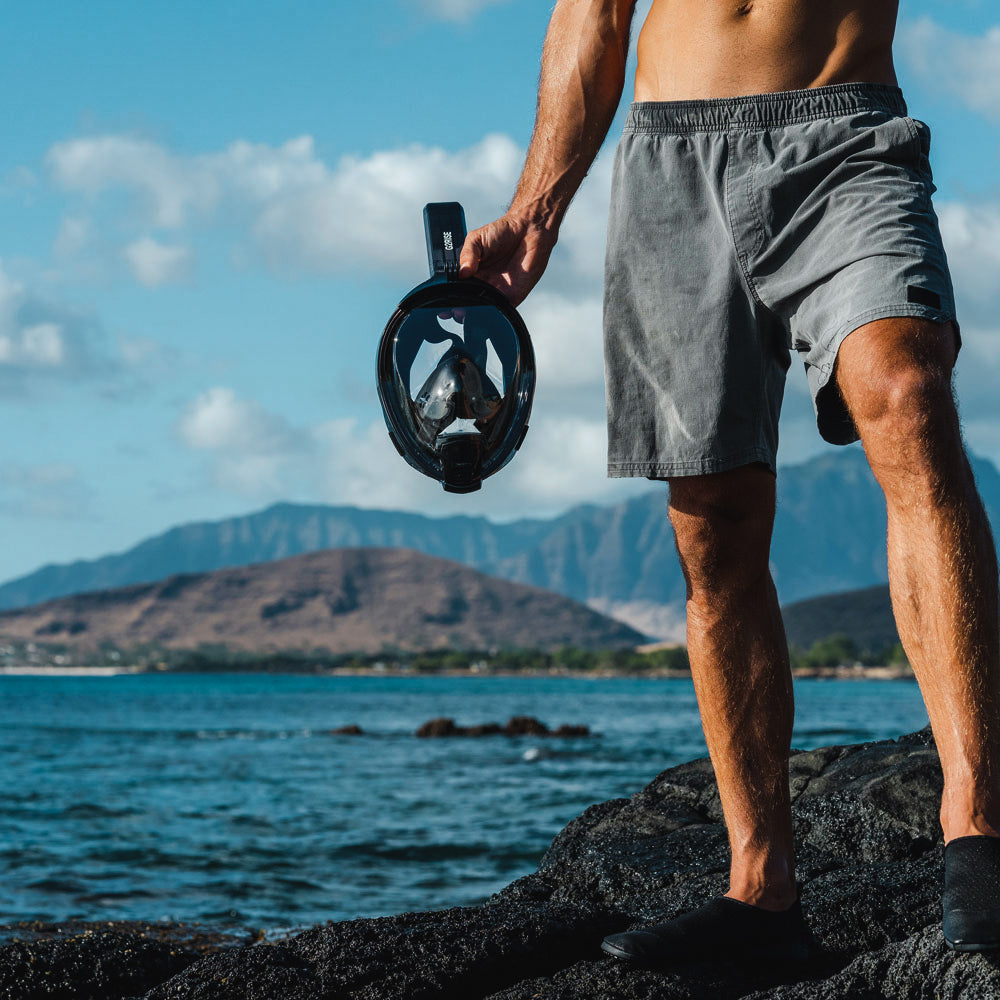
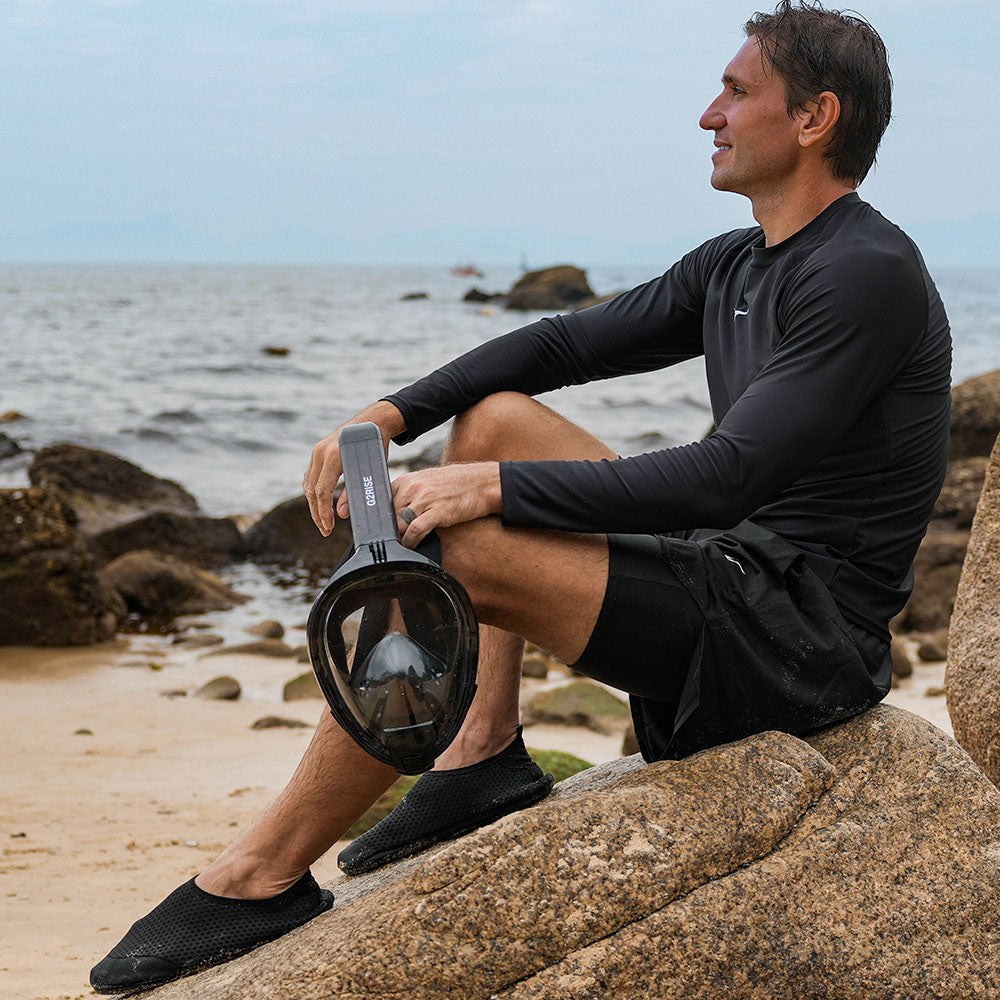
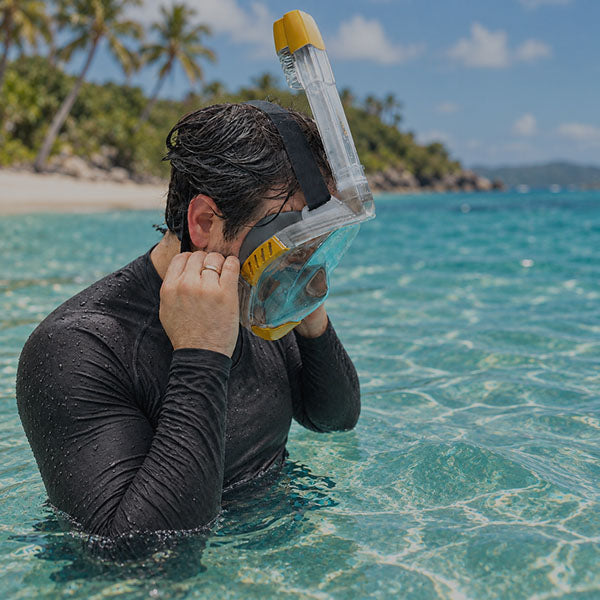
You’ll also see loose retail terms such as “snorkel goggles,” “diving goggles,” and “snorkel mask.” Those aren’t always interchangeable. Swim goggles seal only around the eyes. A traditional snorkelling mask seals around the eyes and nose. A full-face snorkelling mask covers the eyes, nose, and mouth and is intended for surface use according to its instructions.
Read the product description and look at the seal instead of relying on the noun. Correct spelling can help you find a page; correct construction helps you choose equipment.

How Is Snorkelling Different From Swimming?
Swimming focuses on moving through the water, often with the face alternating between air and water. Snorkelling focuses on observing below while maintaining a steady surface breathing position. You’re still swimming, but the mask, snorkel, body angle, pace, and attention are organized around looking down rather than completing strokes or covering distance.
A lap swimmer may use goggles and a center-mounted training snorkel to improve technique. That’s not quite the same as recreational snorkelling. The swimmer’s goal is stroke consistency; the snorkeller’s goal is comfortable observation and controlled movement. In a reef or lagoon, you may barely use your arms and rely on slow fin kicks instead.
Snorkelling also changes what you pay attention to. You need to monitor the tube opening, mask seal, breathing rhythm, nearby swimmers, current, waves, entry and exit points, and the environment below. Looking at a sea turtle is wonderful. Drifting farther from shore because you stopped checking your position isn’t.
You don’t have to be a fast competitive swimmer, but you should work within your real water ability. A non-swimmer or anxious beginner needs appropriate professional guidance, close support, and conditions where standing or exiting is easy. Fins and flotation can change effort or buoyancy; they don’t replace basic readiness.
How Is Snorkelling Different From Scuba Diving?
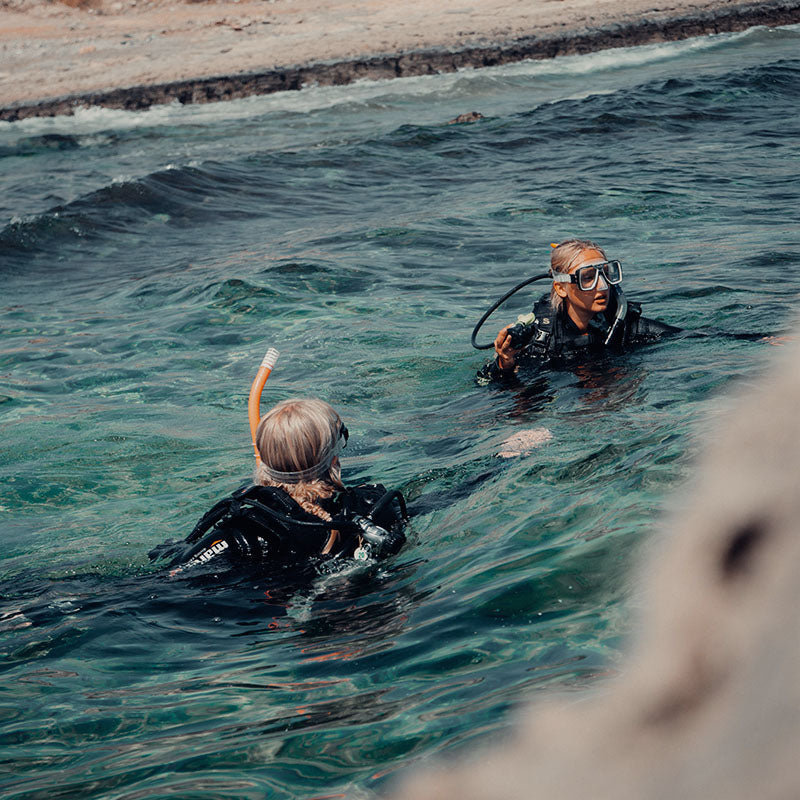
Snorkelling keeps the breathing-air opening at the surface. Scuba diving carries a self-contained underwater breathing system and allows trained divers to remain below the surface. The equipment, training, depth, pressure considerations, communication, and emergency planning are different. A snorkel isn’t a lightweight substitute for scuba equipment.
The acronym SCUBA comes from “self-contained underwater breathing apparatus.” A scuba diver breathes from a regulator connected to a cylinder. A snorkeller breathes air from above the water through a tube. That single distinction changes the entire activity.
| Question | Snorkelling | Scuba diving |
|---|---|---|
| Where is the breathing air? | At the surface | Carried in a cylinder |
| Typical position | At or near the surface | Below the surface |
| Core breathing gear | Snorkel or surface-use mask system | Cylinder and regulator system |
| Main preparation | Fit, breathing practice, water readiness, local conditions | Formal training, equipment procedures, dive planning |
| Is it deep diving? | No | It may involve depth within training limits |
Some experienced snorkellers briefly hold their breath and duck below the surface. That doesn’t turn a snorkel into an underwater air supply, and full-face snorkel masks are not for breath-hold diving. Follow the specific product instructions and return to normal surface breathing if you feel discomfort, anxiety, or unusual resistance.
What Basic Gear Does a Beginner Need?
A beginner needs equipment that makes seeing, breathing, moving, and staying appropriately protected manageable. The basic starting point is a well-fitting mask and a snorkel the user can operate. Fins are common but optional in some controlled settings. Exposure protection and flotation depend on water temperature, local rules, conditions, and ability.
Arctic Adventures’ beginner guide describes three common snorkel types: basic, semi-dry, and dry. That’s a useful numeric framework. A basic J-shaped tube is open at the top; a semi-dry design adds a splash guard; a dry-top design adds a mechanism intended to close when submerged. Each still requires correct use and inspection.
Your basic checklist is:
- Mask: seals without painful strap tension and gives a clear view.
- Snorkel: sits at the correct angle, has a comfortable mouthpiece, and can be cleared as instructed.
- Fins: fit without pinching and match the swimmer’s leg strength and travel needs.
- Exposure protection: chosen for temperature, sun, and local hazards.
- Flotation: appropriate to the location and user, without creating false confidence.
- Buddy and plan: someone nearby, a defined area, and a clear exit point.
Full-face and traditional systems feel different. Traditional equipment separates the mask from the mouthpiece snorkel. Full-face equipment combines the viewing and breathing space for surface use. Neither is universally better. Face shape, breathing preference, ability to follow instructions, and fit should decide.
What Should Families Know Before a First Trip?
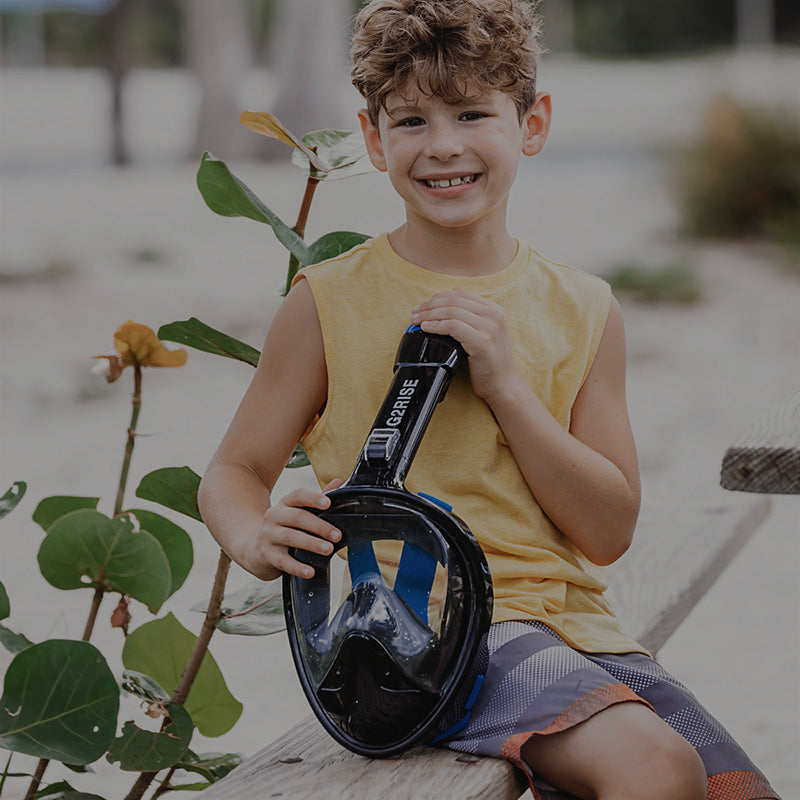
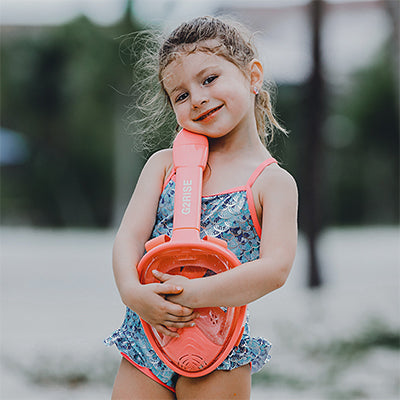
Families should plan the first snorkelling session around the least experienced person, not the strongest swimmer. Choose calm conditions, easy entry and exit, individual fit checks, and a short practice before anyone heads away from shore. Children need close, active adult supervision; gear is an aid, not a substitute for attention.
Use this sequence:
- Fit at home. Check every person separately. Hair, facial hair, face width, vision needs, and strap position can change the seal.
- Practice breathing dry. Learn the mouthpiece or full-face airflow while seated and calm.
- Move to shallow water. Stand or hold the wall, put the face in briefly, then lift it without rushing.
- Add a few kicks. Stay close enough to stop immediately.
- Check conditions again. Wind, waves, current, visibility, temperature, and boat traffic can change a good plan.
- Set a turnaround point. End before anyone becomes cold, tired, anxious, or frustrated.
For a holiday, order equipment two to four weeks before departure. That gives the family time to test, exchange a size, and repeat the shallow-water practice. Opening the box in a hotel room on the morning of an excursion turns a simple fit problem into a lost day.
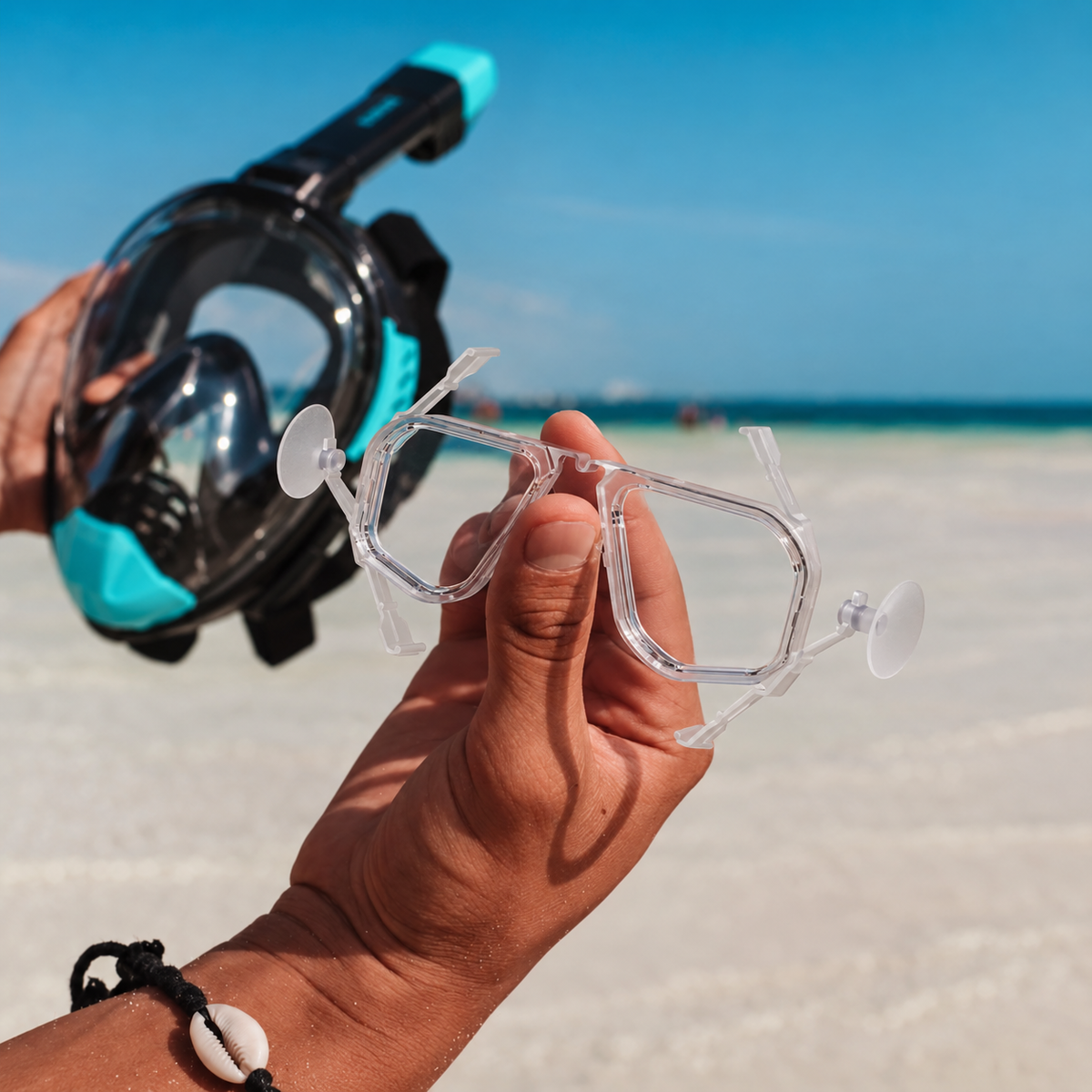
If a traveler uses prescription glasses, ordinary frames generally disrupt a mask seal. Prescription-compatible masks, removable corrective inserts, or a contact-lens plan discussed with an eye-care professional are better routes. Again, test before the trip.

Which Beginner Questions Matter Most?
The best beginner questions are practical: Can I breathe calmly? Does the mask seal without overtightening? Can I stop and return to normal breathing quickly? Are the water and supervision appropriate for me? Product features matter only after those questions have clear answers. Confidence should come from practice, not from a label.
Do you go fully underwater while snorkelling?
Recreational snorkelling happens at or near the surface. The face is underwater, but the snorkel opening stays in the air. Brief breath-hold dips are a separate skill and aren’t appropriate for every user or every mask. Full-face snorkel masks are not for deep diving.
Can you breathe underwater with a snorkel?
You can breathe while your face is underwater only because the tube opening remains above the surface. Once that opening submerges, it no longer provides air. A longer tube doesn’t convert it into scuba equipment.
Do you need to know how to swim?
You should match the activity to your water ability. Confident swimming helps with movement and recovery, but local guides may offer controlled options with flotation and close supervision. Don’t treat flotation or fins as replacements for readiness.
Is a full-face mask easier than a traditional mask?
Some surface snorkellers prefer nose-and-mouth breathing in a full-face design; others prefer the separable, familiar components of a traditional mask and snorkel. Fit, product instructions, practice, and use limits matter more than the category name.
What should you do if breathing feels wrong?
Stop immediately. Lift your face, return to normal air breathing, move to a supported position, and inspect the equipment before considering another try. Don’t push through shortness of breath, panic, dizziness, unusual resistance, or a recurring leak.
Snorkelling is simple at its best: clear water, an unhurried pace, and people you care about discovering what’s below together. If you’re preparing for a first family trip, explore G2RISE snorkeling gear, measure each face separately, and leave time to practice. All of you, all the way into the blue.

Leave a comment
This site is protected by hCaptcha and the hCaptcha Privacy Policy and Terms of Service apply.