
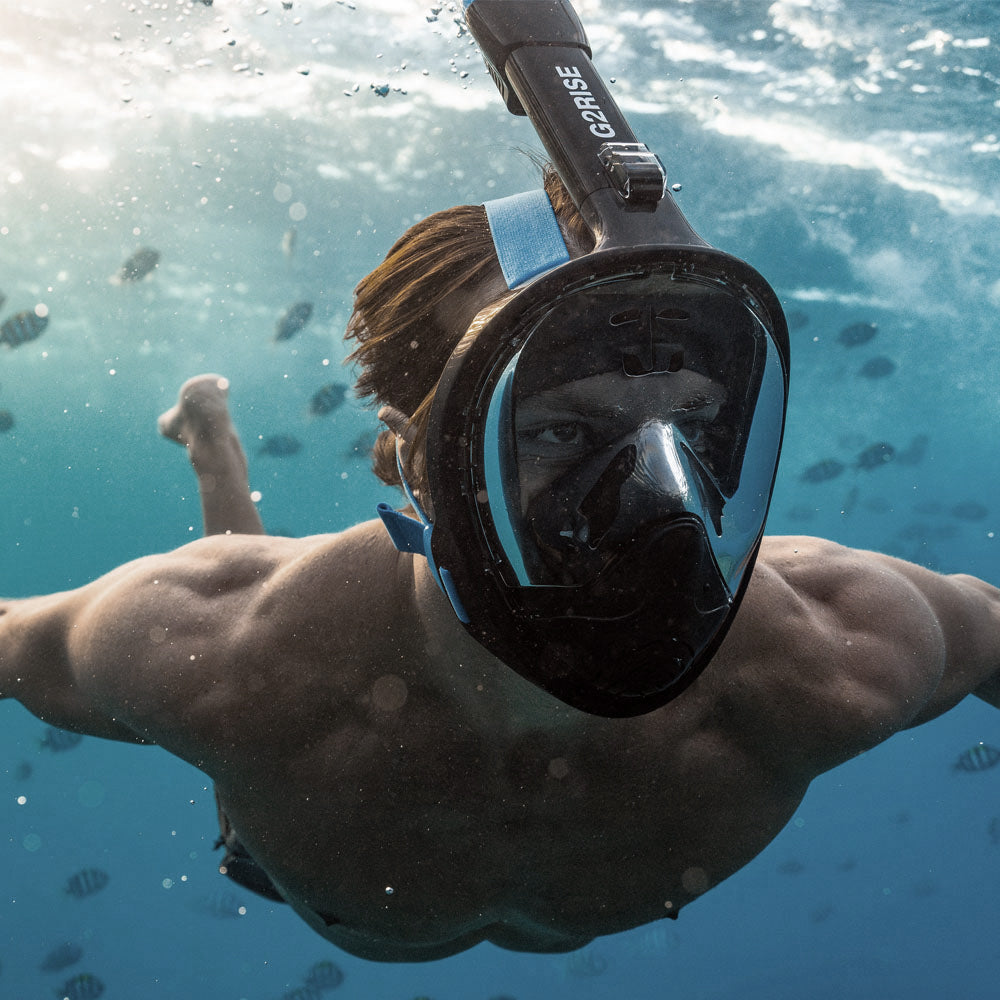
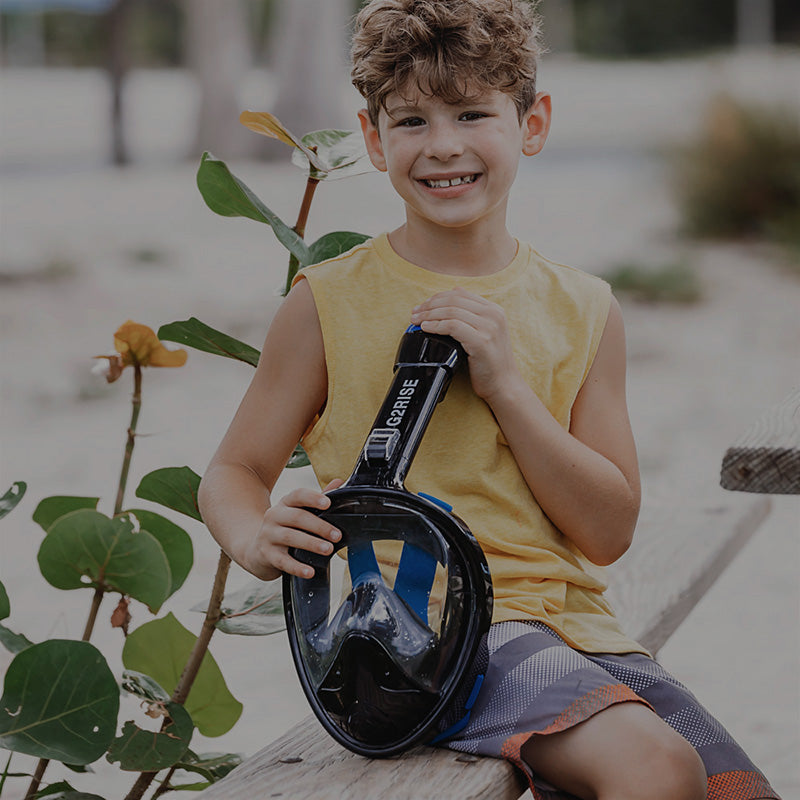
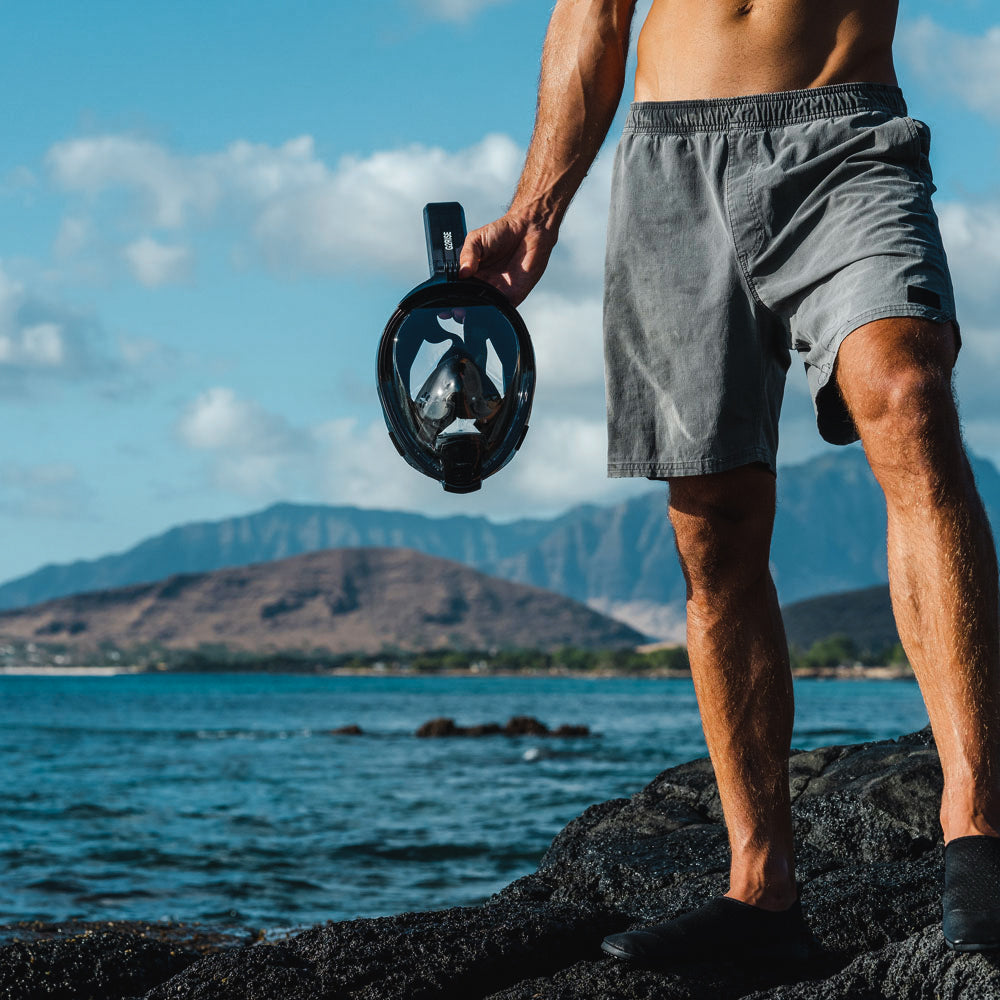
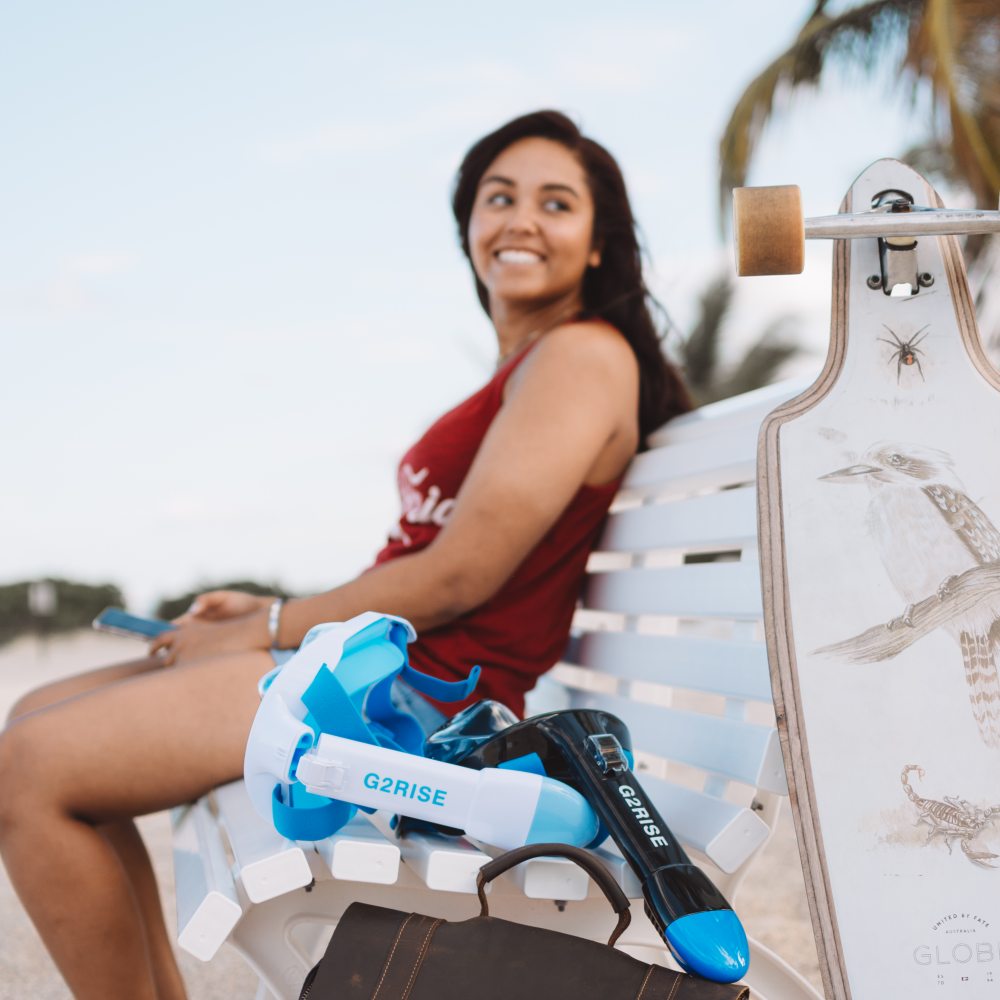
A family snorkeling film doesn't have to show an extraordinary encounter. It can show your child recognizing the first fish, a grandparent waving from the shore, or everyone trying to remember which color the fins were. Those details are often the reason you'll watch it again.
Plan the outing first and the film second. The camera belongs to an optional adult role, separate from the person providing dedicated child supervision. This guide brings together easy underwater video ideas, natural photos of kids, and a manageable edit. Everything can be done around surface snorkeling, without breath-hold poses, descents in full-face masks, or an expectation that every family member performs.

How Do You Plan a Simple Family Snorkeling Story?
Plan a small story with a beginning on shore, a few natural moments in the water, and an ending after everyone is out. Ask family members what they want recorded and keep the camera optional. A clear, modest plan leaves more room for the actual outing than trying to document every moment.
Choose one person to manage the filming plan, but don't make that person responsible for capturing everything. A simple list might include packing a mask, showing the setting, recording a reef scene, and asking afterward what everyone noticed. If any of those moments doesn't happen, the film can still work.
Decide where the video will be watched. A television film and a phone clip can need different framing. Pick a main orientation before entering the water so nobody has to repeat a moment for another format.
Talk about privacy and consent before the trip. Some children enjoy a camera; others prefer not to be photographed. A family memory can include scenery, equipment, and voices without putting every face on screen. Respect a request to stop at any point.
Who Watches the Children While Another Adult Films?
Assign a responsible adult to dedicated, attentive child supervision while a different adult handles photography. The filming role never replaces the watching role. If your group can't maintain suitable supervision while someone records, put the camera away and make the outing the priority, following the operator's briefing and relevant water-safety guidance.
The American Red Cross recommends close, constant attention to children, avoiding distractions such as phones, and staying within arm's reach of weak or inexperienced swimmers. A lifeguard or tour setting doesn't remove the need for appropriate adult supervision.
Its water-watcher guidance gives rotations such as every 15 minutes as an example. The important part for filming is an explicit handover: the next responsible adult takes over before the first one changes tasks. That example isn't a recommended snorkeling-session length for a child.
Agree on this arrangement before anyone enters the water. Don't rely on a vague assumption that another adult is watching. If an adult needs help, a child becomes unsettled, or the plan changes, filming stops. Keep the roles simple enough that everyone understands who is doing what.
Which Five Easy Shots Can Beginners Capture From the Surface?
Use five simple shot ideas as options: preparation, the setting, a companion's natural perspective, a distant wildlife scene, and the return. None requires a performance or a special animal encounter. Record only when the filming adult can do so comfortably while the separate supervision and buddy arrangements remain in place.
1. The getting-ready detail
Film hands checking a strap, fins laid beside a bag, or a family member pointing toward the beach. Keep travel documents and personal information outside the frame. These ordinary details establish that the adventure is yours.
2. The view before the water
Capture the scene from a stable place on shore before putting equipment on. Follow local access and operator instructions. You don't need to record the actual entry if holding a camera would make it awkward.
3. A shared surface moment
Let a companion appear naturally at the edge of an underwater view. Don't direct them to remove equipment, swim away from the group, or descend. A brief view of someone noticing the reef can be enough.
4. Fish passing through the scene
Aim at a suitable reef view and let fish enter it. No feeding, touching, pursuing, or steering animals toward the camera. Respect the viewing rules for the location and species.
5. The return and the favorite memory
Once everyone is out, record a short answer to “What did you notice?” A child's description can finish the story more clearly than another long underwater clip.

How Can You Take Natural Underwater Photos of Kids?
Photograph children during comfortable, ordinary surface activity, with suitable supervision maintained separately from photography. Ask permission, keep requests simple, and accept the expression or angle that happens naturally. Don't ask for breath-holding, underwater poses, equipment removal, or repeated attempts at a picture a child doesn't want to make that day.
Choose a position where the photographer doesn't obstruct the supervising adult or the child. A picture of a child looking toward a fish may be more meaningful than a face directed at the lens. Their attention can remain on the experience.
Leave space around the child in the frame. Equipment, a hand gesture, and a little of the surrounding water help explain the moment. A tight crop isn't necessary, especially when movement makes exact framing difficult.
If a child is adjusting to the equipment or wants to stop, stop photographing. Don't ask them to stay in the water for one more image. Take a picture of the beach, a towel, or the equipment later; the album doesn't need proof of how long anyone stayed in.
Review sharing choices with the child afterward in an age-appropriate way. A picture they were happy to take may still be one they prefer to keep within the family.
How Do You Record a First Adventure Without Staging Risky Shots?
Record the parts of a first adventure that already fit the group's ability, equipment instructions, and conditions. Keep practice and supervision ahead of the shot list. If holding a camera complicates the experience, leave it behind; the first successful outing doesn't need to produce an underwater sequence to be worth remembering.
Practice with snorkeling equipment before introducing a camera task. Each person needs an appropriate fit and a chance to become comfortable with the actual setup. Don't use the family film as a reason to rush that process.
Let the guide or operator explain entry, exit, communication, and local boundaries. A camera plan must fit inside those instructions. It shouldn't involve a different route, a staged animal interaction, or anyone waiting alone while the photographer repositions.
Full-face snorkel masks are for surface snorkeling. Don't turn a camera's underwater rating into permission to make breath-hold descents with one. Keep breathing normally, stay with your buddy, and put the camera down whenever attention is needed elsewhere.
A shore-only film is a valid result. Record the preparation, the setting, and everyone's memories afterward. The point is to remember the day you actually had, not manufacture the day you hoped the camera would show.
How Do You Turn Short Clips Into a Family Highlight Video?
Copy and back up the original clips, choose a small selection of clear moments, and arrange them in a simple beginning-to-end sequence. Trim accidental turns and long empty stretches. Use editing to help someone understand the outing, while keeping the events and wildlife encounters faithful to what actually happened.
First make sure the copies play. Keep originals separate from working edits and save another copy somewhere other than the camera card or phone. Don't clear the card because a transfer indicator appeared to finish; check the files you care about.
For a manageable first project, try a short highlight film rather than a complete record of the session. A suggested creative target is about a minute, but that's a choice for your family, not a rule. Give a scene enough time to be recognized before cutting away.
Start with the setting, add preparation and underwater moments, and finish with the reaction on shore. Simple captions can explain a location or a favorite memory. If you use music, choose material you have permission to use and check the relevant platform's current terms before public sharing.
You don't need a particular editing subscription for this workflow. Choose an editor you already understand, and verify its current export options before relying on it.
What Can You Do With Your Finished Snorkeling Videos?
Save the finished video alongside the original files, then choose a sharing method that matches your family's privacy preferences. A private album, a message to relatives, or a film shown at home can be enough. Public posting is optional and should reflect consent, location sensitivities, and the rights attached to any included music.
Make a small favorites collection that can include still photos, the final film, and a child's written description or drawing. These different records can capture what a camera missed. Label the folder so it remains understandable after the trip is no longer recent.
Before sharing, look for other swimmers, boat passengers, personal documents, school names, or identifying details you didn't intend to include. Crop or choose another clip where appropriate. Avoid publishing sensitive wildlife locations when local guidance asks visitors not to.
Don't assume a private-link setting automatically meets everyone's expectations. Ask the family members shown, including children in an appropriate way, who should receive the video. A grandparent's copy and a public social post are different decisions.
Keep a separate backup of the final export and check that it opens. The edited file is convenient to watch, while the originals preserve the option to make a different version later.

When Should You Put the Camera Away?
Put the camera away whenever supervision, communication, comfort, equipment handling, or changing conditions need your full attention. Stop if a family member doesn't want to be recorded. A filming plan is optional throughout the outing; it never gives you a reason to extend a session or ignore someone's request to finish.
Agree on this before the trip so stopping doesn't feel like disappointing the photographer. A missed clip is a small thing. A family member who feels listened to is part of the experience you're trying to preserve.
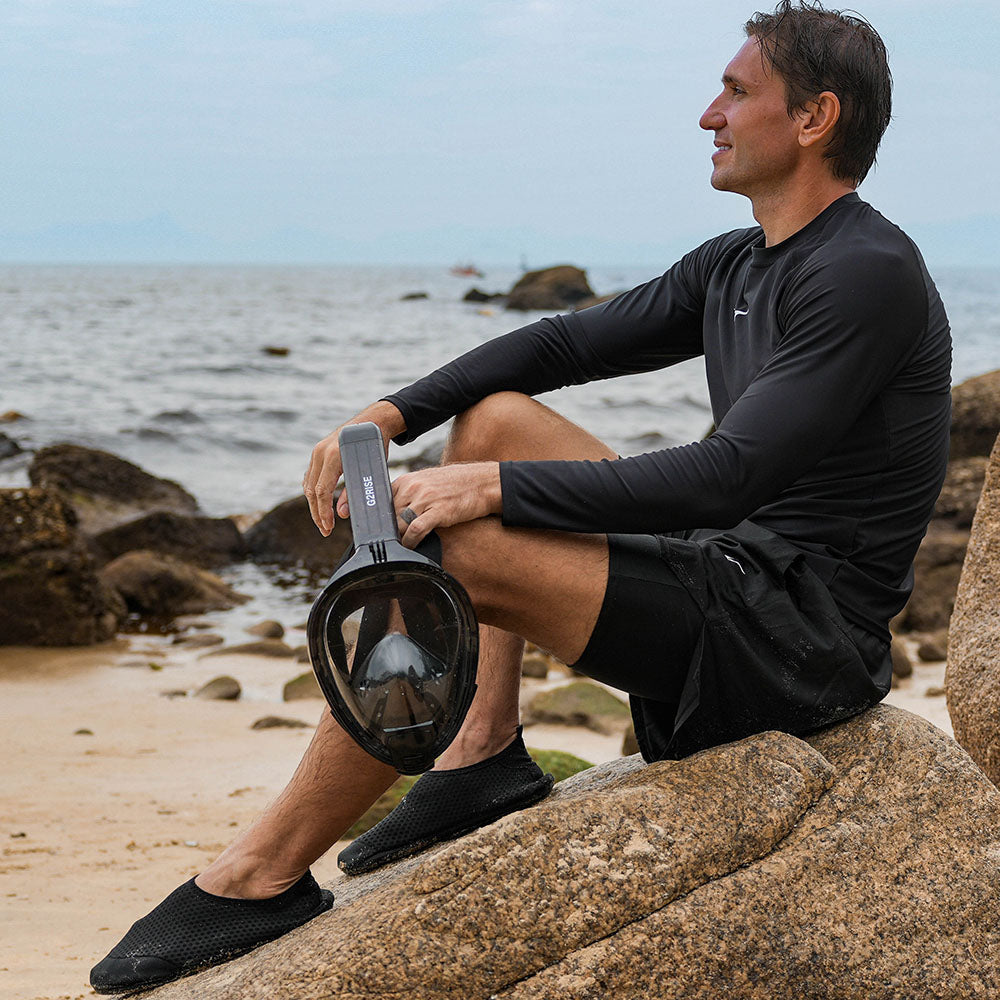
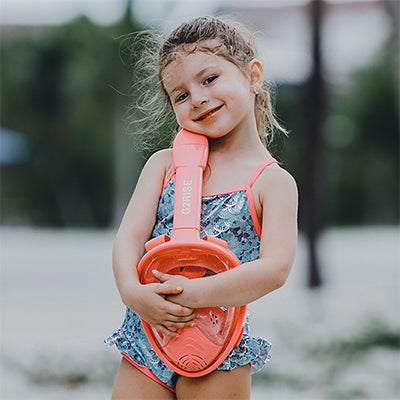
Keep equipment choices equally practical. If you're looking at the G2RISE SN03 children's mask, check the correct size against the child's measurements and confirm fit before travel. Choose equipment for the person using it, follow its instructions, and keep full-face masks at the surface. No mask or filming accessory replaces supervision.
Finish the film with the memory that feels like your family, even if it happened after the towels came out. Sometimes the best ending is a child describing the fish that never appeared on camera.

Leave a comment
This site is protected by hCaptcha and the hCaptcha Privacy Policy and Terms of Service apply.