

A cruise stop can look generous on the itinerary and feel surprisingly short once everyone has found breakfast, collected their things, and reached the pier. Add a snorkeling boat, a child who's keen but inexperienced, and a grandparent who prefers to stay dry, and the best excursion becomes a question of fit.
Choose snorkeling excursions around the people coming with you and the time you actually have ashore. The reef matters. So do the boat ladder, the journey back, and whether anyone feels pressured to get in. Here's how to put those details together before you book.

Which Snorkeling Excursions Fit Your Family's Cruise Day?
The right snorkeling excursion fits your family's swimming experience, access needs, and available time ashore. Start with the least confident participant and work outward. Compare the complete journey, including transfers and return arrangements, rather than choosing by the reef photograph or the number of stops alone.
Ask everyone what would make the day worth doing. One person might want a brief look at reef fish. Another may care more about the boat ride. Someone else might be perfectly happy with a beach lunch. Getting those answers before booking is easier than negotiating on a rocking deck.
Read the activity description for the actual sequence: meeting point, transfer, briefing, boat journey, water time, and return. A long excursion isn't necessarily a long snorkel, and several stops aren't automatically better than one well-chosen location.
For a concrete example, Royal Caribbean's Turtle Bay Sail & Snorkel Adventure listing gives a total duration of 3 hours 30 minutes. That's the listed outing length, not continuous snorkeling time. Use such details to ask better questions, rather than assuming every operator counts duration the same way. Check availability for your sailing separately.
Make a short comparison card for each candidate. Record who can participate, what the outing involves, where it begins and ends, and what's still unanswered. If an essential answer is missing, contact the operator before paying. A beautiful listing can't resolve an unsuitable activity level.
What Should You Ask About Swim Ability and Supervision?
Ask the operator what swimming ability the trip requires, how guides supervise participants, and what happens if someone wants to leave the water. A guided outing still needs to match each person's capabilities. Establish those expectations before booking, especially when children or first-time snorkelers are joining the group.
“Beginner-friendly” isn't a complete description. Does the operator mean someone who swims comfortably but hasn't snorkeled before, or do they offer an introductory session with a different format? Ask directly. Don't assume a flotation aid changes the entry requirements.
Useful questions include:
- Will a guide accompany the group in the water?
- How does someone signal that they want to stop?
- How do participants get back aboard?
- Can a guest remain on the boat throughout the activity?
- What level of adult supervision is required for children?
Keep the answers with your booking details. If the operator's response is vague, continue the conversation until you understand what support is actually provided. Marketing words such as “family” don't tell you who supervises whom.
Before the trip, talk with children about opting out. Make that choice ordinary: watching from the boat or enjoying time ashore can still be part of the holiday. Avoid building the whole family's expectations around one child's first attempt.
For practice and equipment familiarity, use our beginner snorkeling guide. That preparation supports a suitable excursion; it doesn't replace the operator's assessment, water skills, or close supervision.

How Do Transfers, Ship Time, and All-Aboard Time Fit Together?
Build your excursion schedule backward from the ship's stated all-aboard time, then confirm every transfer and meeting point with the relevant provider. Keep ship time and local time distinct whenever they differ. The advertised port departure time alone doesn't tell you when passengers must be back on board.
Write down the times exactly as supplied, along with whose clock they use. Check the ship's instructions before leaving, rather than relying on a phone that might adjust automatically. Everyone in the group should know which time governs the return.
Next, trace the entire route. Leaving the vessel, reaching an excursion meeting point, boarding a transfer, and reaching a boat can be separate steps. The journey is also harder to estimate when someone walks slowly or needs extra assistance.
Ask where the tour finishes. “Return to port” may still require you to identify a particular gate, terminal, or pickup point. Save the provider's contact information and the ship's shore contact details in a form you can access without dependable mobile service.
Don't borrow another family's timing from a review. Their ship, docking location, transfer arrangements, and mobility needs may have been different. Use current instructions for your own sailing and booking.
A useful family rule is to avoid adding an unplanned stop on the way back. The souvenir shop can wait if the return arrangement is already tight. A snorkeling excursion should leave room for a calm return, rather than turn the last part of your port day into a race.
How Should You Compare Ship-Booked and Independent Tours?
Compare ship-booked and independent excursions using their actual inclusions, return arrangements, cancellation terms, and participant requirements. Neither booking route tells you everything about the experience. Read the terms attached to your specific tour and sailing, and ask how the provider handles delays or changes before you choose.
Start with what each booking covers. A tour may include equipment but require a separate transfer. Another may collect guests near the ship but finish elsewhere. Compare the whole arrangement rather than the headline description.
Then look at the experience your family wants. A smaller group may offer a different pace, but you should verify group size and supervision rather than infer either from “private” or “small group.” A large excursion may have clear logistics yet still be unsuitable for a particular participant.
Use the same questions for both booking routes:
- Where and when do we meet?
- Who is responsible for each transfer?
- What happens if the ship's arrival changes?
- What are the cancellation and refund conditions?
- What support is available if the outing runs late?
Get important answers in writing. Don't assume any booking includes a particular return guarantee unless the applicable terms say so.
You don't need to turn this into a spreadsheet marathon. Choose the arrangement whose details you understand and whose requirements your family can meet. An excursion that is straightforward to organize can be the better choice even when another advertises more stops.
Which Age, Mobility, and Personal-Mask Rules Must You Check?
Check the exact excursion's age limits, physical requirements, boarding arrangements, and equipment rules before packing personal gear. Requirements can differ between operators and between tours sold by the same company. A mask that fits its wearer still may not be accepted on the excursion you have chosen.
The Royal Caribbean Turtle Bay listing cited above specifies a minimum age of 7 and excludes full-face masks. It also describes mobility restrictions. These are details of that particular listing, not universal rules for cruise snorkeling. Reconfirm the applicable conditions for your sailing before booking.
That distinction matters for families. A child's equipment age range isn't permission to join an excursion, and an adult's enthusiasm doesn't answer a question about boat access. Ask about the actual boarding process, ladder, handholds, and assistance available.
If you want to bring your own mask, describe its type clearly to the operator. Ask about it before departure, when you still have time to make an appropriate plan. Don't turn up expecting an exception because your own equipment feels familiar.
Read any health and participation declarations honestly. If a requirement raises a question about someone's circumstances, obtain guidance from the operator and an appropriate qualified professional instead of looking for reassurance in a general travel article.
For personal equipment preparation, our mask-fit guide addresses a separate issue: choosing and checking fit. Fit, excursion eligibility, and the conditions on the day all need their own answers.
What Happens If Sea Conditions Change or the Tour Is Canceled?
A useful excursion plan includes a clear response to changed sea conditions, a different snorkeling site, or cancellation. Read those terms before booking and choose an alternative family activity in advance. Treat a change of plan as part of traveling by the sea, rather than something to argue through at departure.
Ask who makes the operating decision and how guests receive updates. Find out whether the provider may substitute a location, shorten the water portion, or offer a different activity. Then check the refund terms for each situation; they may not be identical.
The Turtle Bay listing, for example, allows an alternative anchorage when conditions are rough at the planned location. That tells you why the advertised reef shouldn't be the only reason your family agrees to the outing.
Prepare a modest land-based alternative. It could be a walk near the port, a relaxed meal, or time back aboard. Choose something that doesn't depend on immediately securing another water activity.
On the day, pay attention to the briefing and speak up if a change makes the trip unsuitable for your group. A decision that works for experienced swimmers might not suit your family. Ask about your options without assuming the original plan must go ahead.
Leave disappointment some room, especially with children. It's fair to be disappointed. It's also possible to enjoy the rest of the day without trying to recover the canceled activity at any cost.

How Can You Keep the Day Enjoyable for Non-Snorkeling Family Members?
Plan the excursion so staying out of the water is a real option with its own practical arrangements. Confirm what non-snorkelers can do, where they can sit, and whether they need a separate booking. A shared family day doesn't require everyone to participate in every activity at the same time.
Talk through the alternatives before booking. Remaining aboard, staying at a beach, or taking a different shore activity each creates different supervision and meeting arrangements. Don't assume the crew can look after a child who opts out while the adults snorkel.
Give the day a shared moment beyond the water: lunch afterward, a view from the boat, or a conversation about what everyone noticed. Someone who stayed dry should have a story to tell too.
If your group separates, agree on a clear meeting place and contact plan. Keep the arrangement simple enough to follow without a string of messages. Check that each person has what they need for their own part of the day.
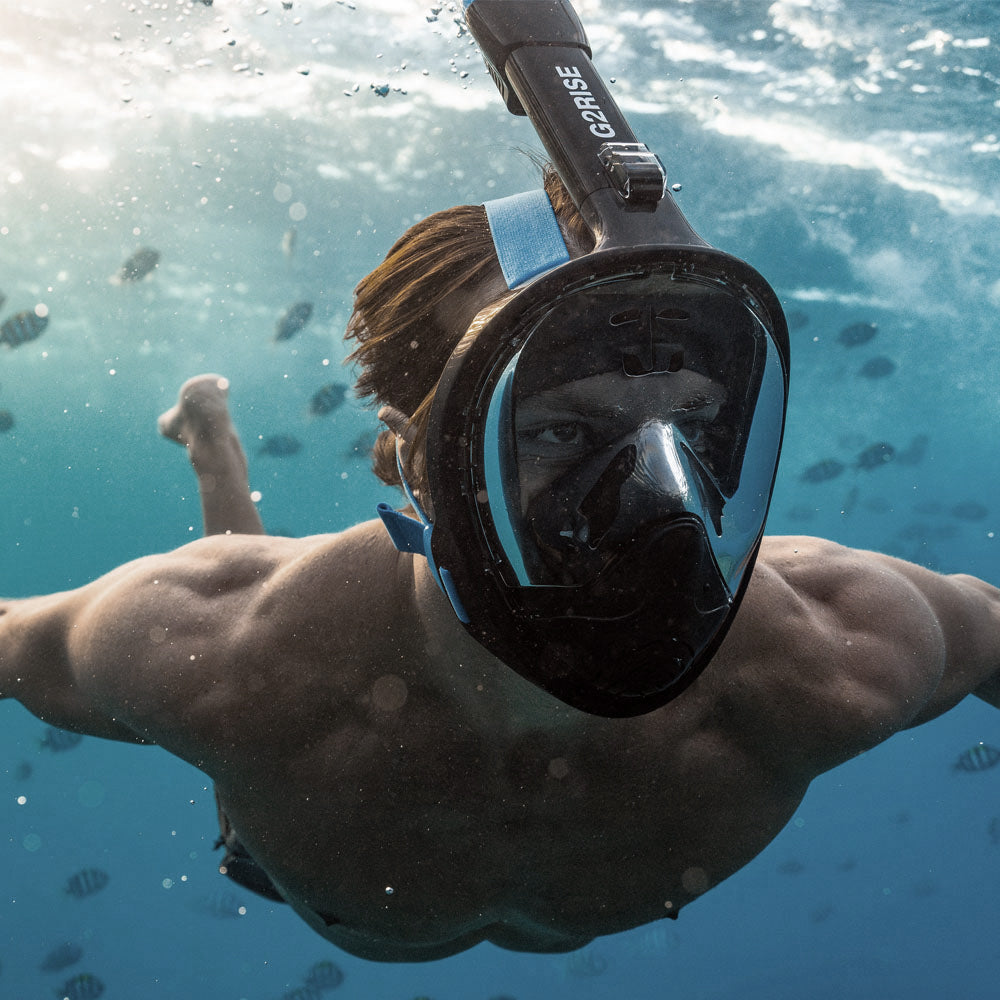
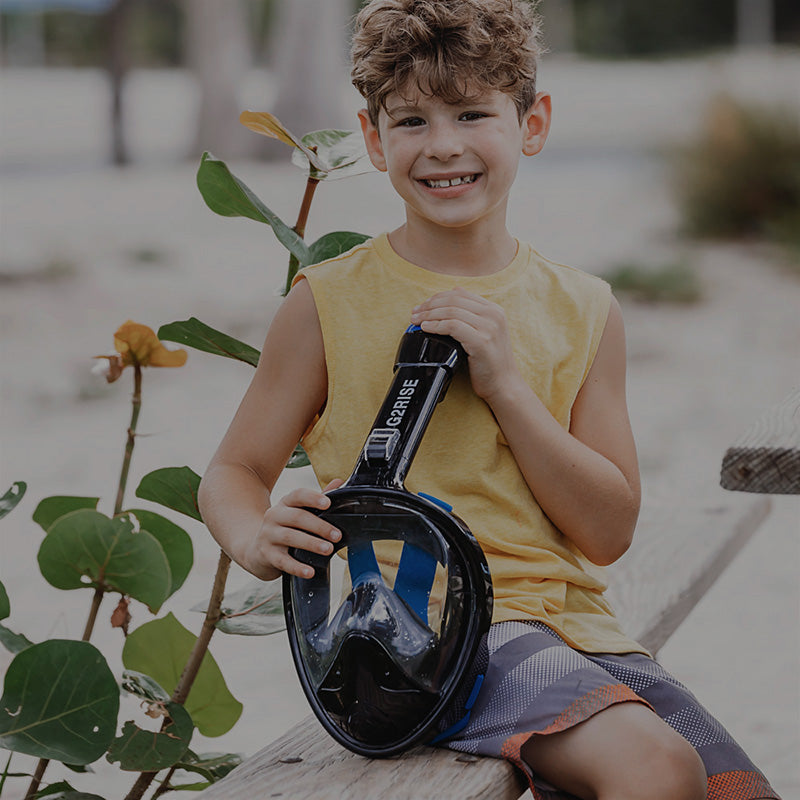
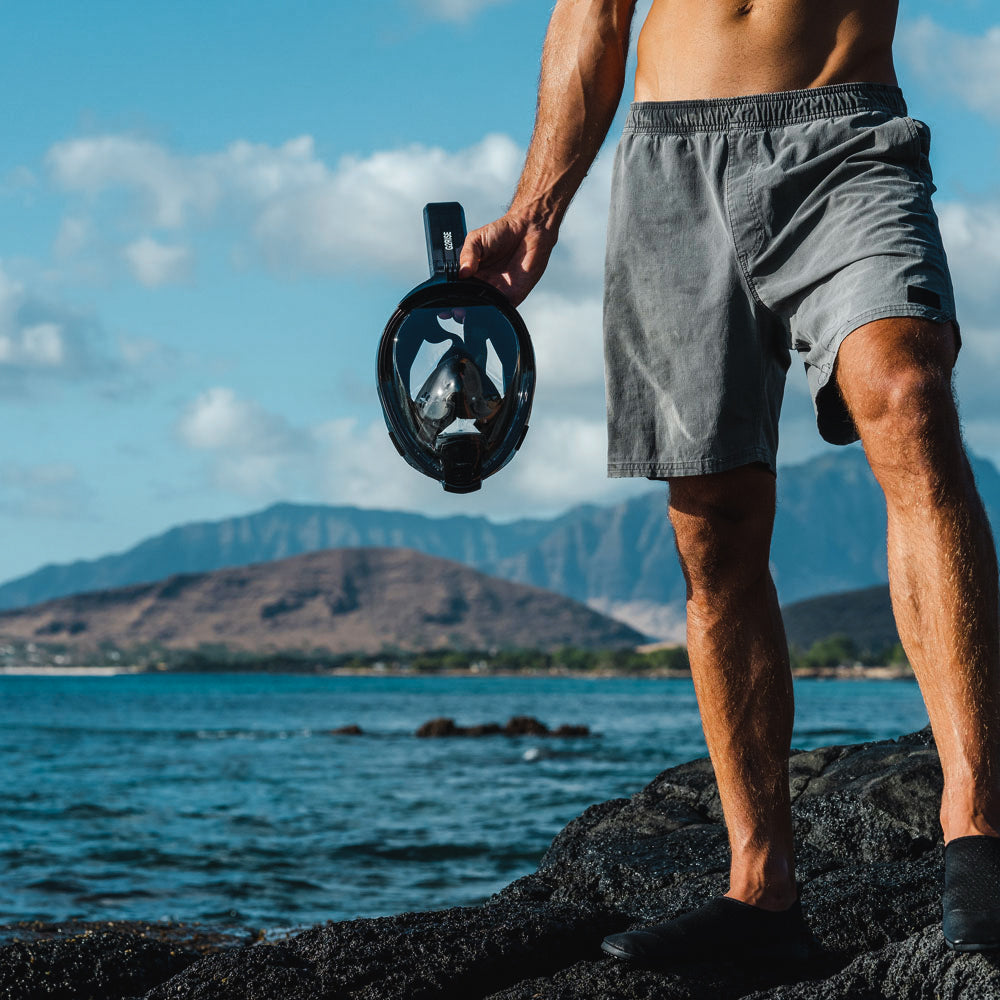
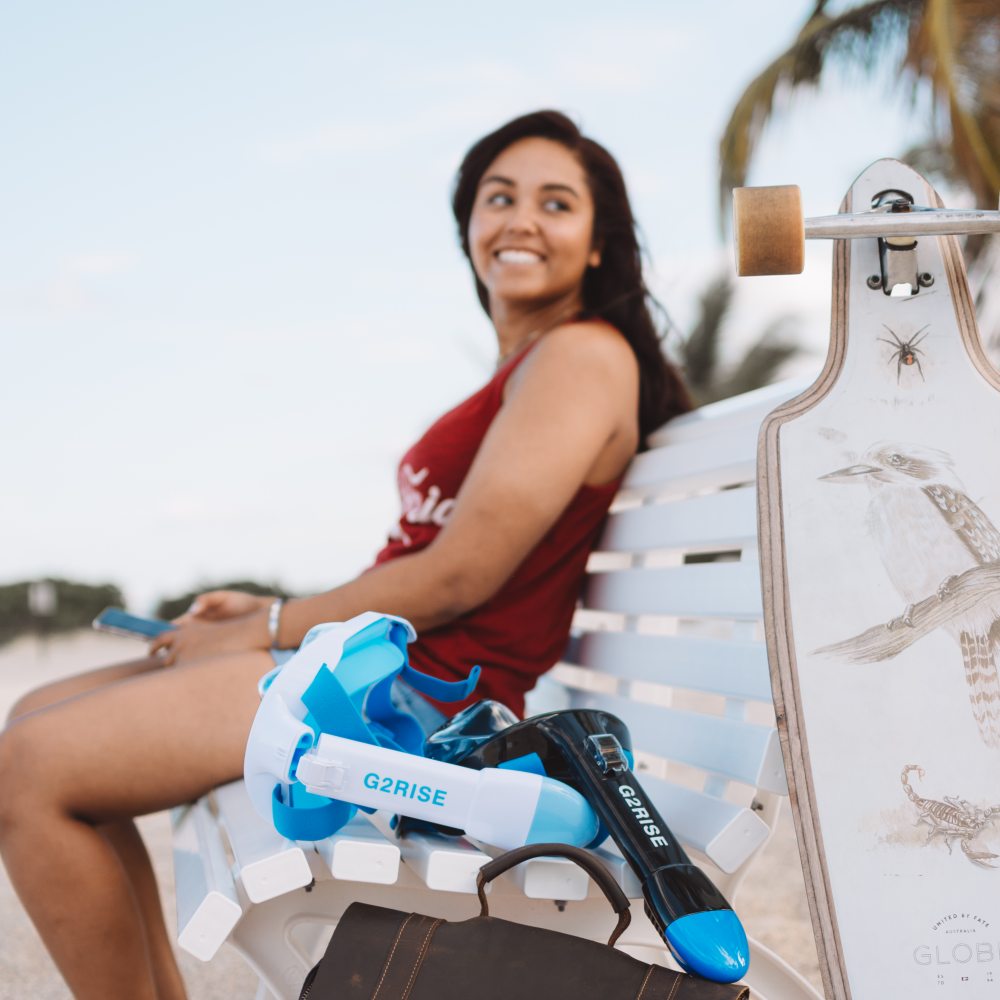
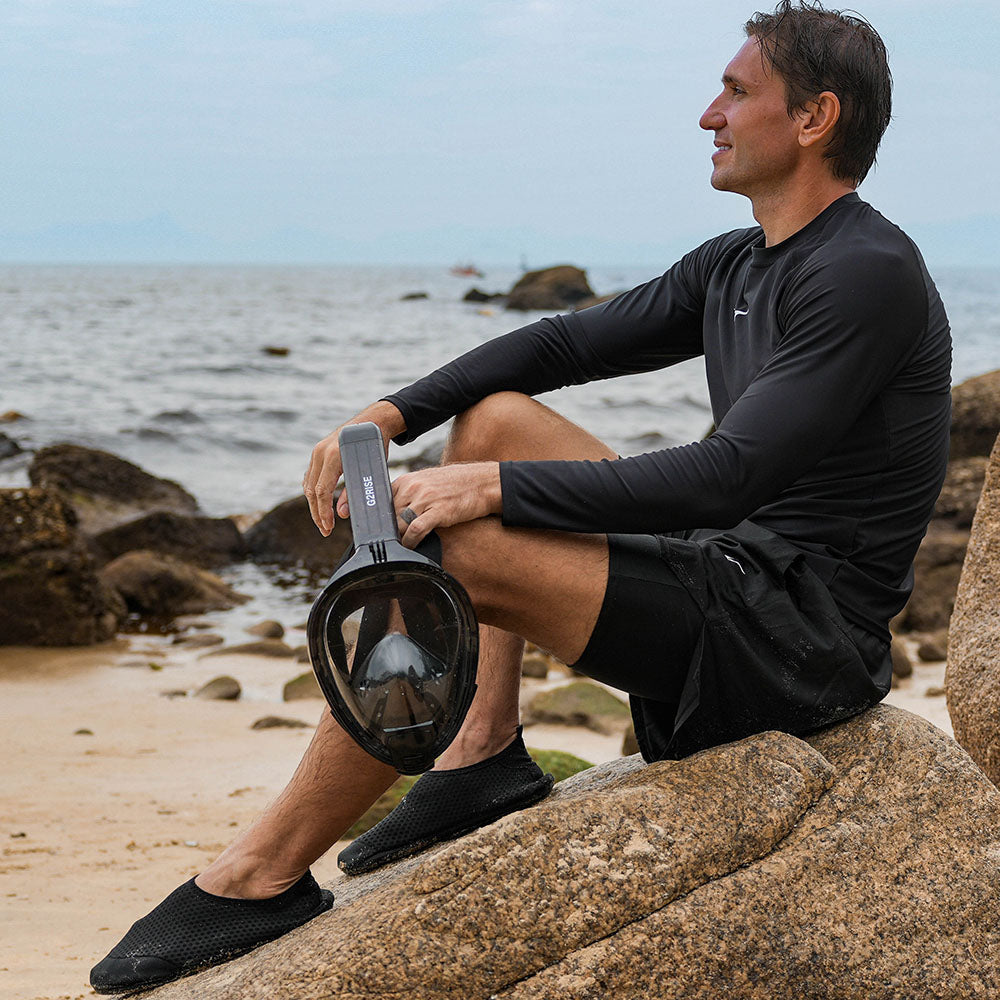
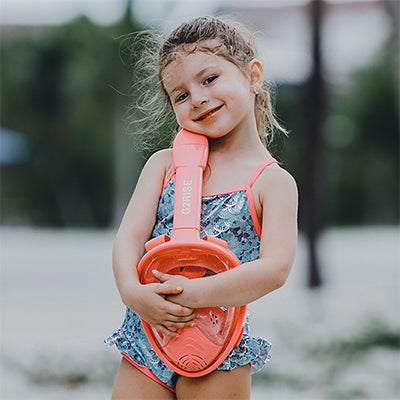
When you're preparing for a suitable outing, G2RISE snorkeling gear can be part of that preparation. Follow the product's sizing and use instructions, and confirm the operator accepts your chosen equipment. Full-face snorkel masks are for surface snorkeling, not breath-hold diving, and no mask replaces swimming ability or supervision.
The holiday memory doesn't have to be everyone doing the same thing. It can be everyone feeling included, coming back together, and having something worth sharing.

Leave a comment
This site is protected by hCaptcha and the hCaptcha Privacy Policy and Terms of Service apply.